
Sand is one of the most essential materials used in building construction. It plays a critical role in preparing concrete, mortar, plaster, and other structural elements that hold a building together. While cement and steel often receive more attention, the sand quality in construction is equally important for ensuring durability and structural strength.
Unfortunately, many construction projects unknowingly use low quality sand in construction, which can lead to serious long-term problems. Poor sand quality may contain impurities, excessive dust, clay particles, or uneven grain sizes that weaken the bond between materials. Over time, this can cause cracks in walls, reduced concrete strength, and costly repairs.
Understanding the problems caused by low quality sand and learning how to identify good sand before using it can help builders, contractors, and homeowners avoid structural issues and ensure that buildings remain strong and safe for many years.
What is Low Quality Sand in Construction?
In simple terms, low quality sand in construction refers to sand that does not meet the required standards for building work. Construction sand must have the right particle size, minimal impurities, and proper grading to create strong bonds with cement and aggregates.
Sand becomes unsuitable for construction when it contains the following:
Excessive Clay Content
Clay particles prevent proper bonding between cement and sand. This weakens mortar and reduces overall strength.
Too Much Dust or Silt
High dust content interferes with cement hydration and reduces the effectiveness of the mixture.
Organic Impurities
Materials like leaves, roots, or decomposed organic matter can damage the structural integrity of concrete.
Irregular Particle Size
If the grains are too fine or uneven, the mixture may not achieve proper compaction.
These characteristics are often found in poor quality sand in construction, especially when materials are sourced from unreliable suppliers or unregulated locations.
Common Problems Caused by Low Quality Sand in Construction
Using low quality sand in construction can create multiple issues during and after the building process. Some of the most common problems include the following.
1. Weak Concrete Strength
Concrete relies on a proper balance of cement, sand, and aggregates. If the sand contains impurities or excessive dust, the mixture becomes weaker. This reduces load-bearing capacity and increases the risk of structural failure.
One of the major effects of bad sand in construction is that concrete may fail to achieve the designed compressive strength.
2. Cracks in Walls and Plaster
Walls and plaster surfaces may begin to crack if sand quality is poor. Clay and silt particles prevent proper bonding with cement, which results in weak plaster layers that crack or peel over time.
These cracks not only affect appearance but may also allow moisture to enter the structure.
3. Poor Bonding in Mortar
Mortar is used to bind bricks or blocks together. If the sand contains too many impurities or inconsistent particles, it weakens the bond between construction materials.
This can result in unstable masonry and reduced durability of walls.
4. Structural Durability Issues
Buildings constructed with poor quality sand in construction may experience long-term durability problems. Over time, weak concrete and mortar can deteriorate faster under environmental stress such as temperature changes, moisture, and heavy loads.
5. Higher Maintenance and Repair Costs
One of the most overlooked problems caused by low quality sand is increased maintenance. Repairs such as crack filling, plaster replacement, or structural reinforcement can significantly increase construction costs in the long run.
How Low Quality Sand Affects Concrete and Building Strength
Concrete is designed to provide strength and stability to buildings. The mixture depends on a strong bond between cement paste and sand particles.
When low quality sand in construction is used, several issues occur:
- Cement cannot properly bind with sand particles.
- Voids and gaps form within the concrete structure.
- Moisture penetration increases.
- Concrete strength reduces significantly.
The importance of quality sand in concrete becomes clear when considering how it affects load distribution. High-quality sand improves density and compaction, allowing concrete to withstand heavy structural loads.
On the other hand, the effects of bad sand in construction include premature deterioration, reduced lifespan of the structure, and potential safety risks.
How to Identify Low Quality Sand Before Construction
Before using sand for construction work, it is important to perform simple checks. Knowing how to identify good quality sand can help avoid major structural problems.
Visual Inspection
Good construction sand should appear clean and free from visible impurities such as clay lumps, organic materials, or debris.
If the sand looks excessively muddy or dusty, it may indicate poor quality.
Check for Particle Consistency
High-quality sand typically contains well-graded particles of different sizes. This ensures proper compaction and bonding with cement.
Very fine sand or uneven grains may reduce strength.
Simple Field Test
A simple field test can be done by placing sand in a glass jar with water and shaking it. If a thick layer of silt or clay settles on top, it indicates poor sand quality.
Touch and Feel Test
When rubbed between fingers, clean sand should feel gritty and coarse rather than sticky. Sticky sand may contain clay particles.
These simple methods help identify sand quality in construction before materials are used in large quantities.
How to Prevent Problems Caused by Low Quality Sand
Preventing issues related to low quality sand in construction requires careful material selection and proper quality control.
Choose Reliable Construction Materials
Materials should always be sourced from reliable suppliers who maintain proper quality standards.
Use Properly Graded Sand
Well-graded sand ensures better bonding with cement and improved structural strength.
Maintain Correct Cement-Sand Ratio
The strength of mortar and concrete depends on the right proportion of materials. Using the recommended mix ratio helps maintain durability.
Conduct Quality Checks on Site
Regular inspection of construction materials ensures that only suitable sand is used during building work.
Avoid Unverified Local Sources
Sand from unregulated sources may contain high levels of impurities or unsuitable particles.
Implementing these measures helps reduce the problems caused by low quality sand and improves the overall quality of construction.
Role of Quality Construction Materials in Preventing Structural Issues
While sand is a crucial component, the overall strength of a building also depends on the quality of other construction materials.
For example:
Manufactured Sand (M-Sand)
Manufactured sand is produced by crushing rocks into fine particles with controlled grading. It offers consistent particle size and improved bonding in concrete and mortar, making it a reliable alternative to natural sand.
Crusher Stone Grit
Crusher stone grit is widely used as an aggregate in concrete. Its strength and durability help improve the load-bearing capacity of structures.
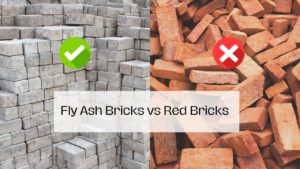
Fly Ash Bricks
Fly ash bricks provide uniform strength and better dimensional accuracy compared to traditional clay bricks. They also offer improved durability and reduced water absorption.
Using reliable construction materials alongside properly tested sand significantly improves structural quality and reduces long-term maintenance problems.
Conclusion
Sand may appear to be a simple construction material, but its quality plays a crucial role in determining the strength and durability of any building. Using low quality sand in construction can lead to serious issues such as weak concrete, cracks in walls, poor bonding in mortar, and long-term structural damage.
Understanding the importance of quality sand in concrete and identifying potential impurities before construction begins can help prevent costly repairs and safety risks. Simple inspection methods, proper grading, and sourcing materials from reliable suppliers can greatly improve sand quality in construction.
In addition, using dependable materials such as manufactured sand, crusher stone aggregates, and durable bricks further enhances the strength and stability of structures. By prioritizing high-quality construction materials and avoiding poor quality sand in construction, builders and homeowners can ensure that buildings remain safe, durable, and long-lasting for generations.
Reliable construction materials play an important role in maintaining the strength and safety of any building project. Choosing materials from trusted sources helps improve construction quality and reduces the chances of structural problems in the future.
Raj Mineral focuses on providing dependable construction materials that support strong and long-lasting buildings.
If you want to learn more about reliable construction materials or need guidance for your construction project, contact us today and get expert assistance.