
Noticing wall cracks in new house construction can be surprising and worrying for homeowners. When a home has just been built, most people expect smooth walls and flawless finishes. However, small or even noticeable cracks sometimes appear within months of construction, which can raise concerns about the quality and durability of the building.
In many cases, these cracks are not unusual and may result from natural processes such as drying and settling. But in other situations, cracks may indicate issues related to construction practices or material quality. Understanding the causes of wall cracks in new house structures helps homeowners identify whether the cracks are minor cosmetic issues or something that requires attention.
By learning why cracks appear in walls and how to prevent them, builders and homeowners can ensure better durability, reduce repair costs, and maintain the long-term stability of the structure.
What Are Wall Cracks in a New House?
Wall cracks in new house structures refer to visible lines or gaps that appear on walls after construction is completed. These cracks may appear on plaster surfaces, brick walls, or concrete structures.
Although cracks in walls after construction may look alarming, not all cracks indicate structural damage. Many cracks occur due to normal factors such as:
- Drying and shrinkage of building materials
- Temperature changes
- Minor movement in the building structure
However, cracks can also develop due to poor construction techniques or the use of weak materials. When the building material quality in construction is compromised, the strength of walls and structural elements can be affected.
Understanding the causes behind these cracks helps in identifying the appropriate solution.
Common Causes of Wall Cracks in New House
Several factors contribute to the appearance of wall cracks in new house construction. These causes are often related to construction practices, material quality, and environmental conditions.
Poor Quality Bricks or Uneven Brick Bonding
Bricks form the primary structural component of most residential walls. If low-quality bricks are used or the brick bonding pattern is not properly maintained, the wall may develop weak sections.
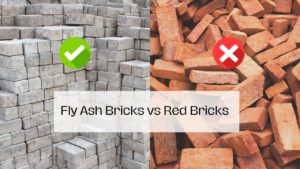
Uneven brick bonding can create stress points where cracks eventually appear. Using strong and uniform materials such as fly ash bricks helps ensure consistent strength and better alignment in wall construction.
These bricks are often preferred because they offer uniform shape, improved durability, and reduced chances of structural cracks.
Low-Quality Sand Used in Mortar or Plaster
Sand is an essential ingredient in mortar and plaster mixtures. If sand contains impurities, excessive dust, or irregular particle sizes, it may weaken the bonding between cement and bricks.
Poor sand quality often leads to cracks in plaster or mortar joints. Using manufactured sand (M-sand) can help improve mortar strength because it provides consistent particle size and better bonding properties.
Proper sand grading is an important part of maintaining strong construction materials during the building process.
Weak Aggregates in Concrete
Aggregates such as stone grit are used in concrete for foundations, columns, and structural elements. If weak or poorly graded aggregates are used, the resulting concrete may lack strength and stability.
Over time, this can lead to cracks in walls after construction as the structure experiences stress and load distribution.
Using strong aggregates like crusher stone grit improves the strength of concrete and supports better load-bearing capacity in buildings.
Improper Curing of Walls and Concrete
Curing is the process of maintaining moisture in concrete and mortar to allow proper strength development. If curing is done improperly or for insufficient time, the materials may dry too quickly.
Rapid drying can cause shrinkage cracks, especially in plaster and masonry work.
Proper curing ensures that cement hydrates fully and develops the necessary strength required for durable construction.
Foundation Settlement or Structural Stress
Buildings naturally settle over time as the soil beneath them adjusts to the load of the structure. Minor settlement is common, but uneven settlement can lead to stress in walls.
This stress can create visible cracks, especially near doors, windows, or corners.
Proper soil analysis, foundation design, and structural planning are essential to prevent excessive movement in the building structure.
Types of Wall Cracks Commonly Seen in New Homes
Different types of cracks can appear in newly constructed homes. Understanding these types helps determine whether the issue is cosmetic or structural.
Hairline Cracks
Hairline cracks are very thin cracks that usually appear in plaster surfaces. These are often caused by minor shrinkage during drying and are generally not structurally dangerous.
They are common in wall cracks in new house situations and can usually be repaired with simple surface treatments.
Vertical Cracks
Vertical cracks often appear due to minor settlement or thermal expansion of materials. In most cases, they are not serious but should still be monitored.
If these cracks widen over time, they may indicate deeper structural issues.
Horizontal Cracks
Horizontal cracks can sometimes indicate structural stress, especially if they appear near load-bearing walls.
These cracks may result from foundation pressure or poor structural design.
Structural Cracks
Structural cracks are larger and deeper cracks that affect the stability of the building. These cracks often run diagonally or across multiple structural elements.
Such cracks require professional inspection and repair to prevent further damage.
Effective Ways to Prevent Wall Cracks in New Houses
Preventing wall cracks in new house construction requires proper planning, high-quality materials, and good construction practices.
Use High-Quality Construction Materials
The foundation of durable construction begins with using strong and reliable materials.
Materials such as:
- Fly ash bricks for uniform and strong wall construction
- Manufactured sand (M-sand) for better mortar bonding
- Crusher stone grit for strong concrete
help improve structural strength and reduce the chances of cracks.
Ensuring proper building material quality in construction plays a major role in preventing future issues.
Maintain Proper Cement-Sand Ratios
The strength of mortar and plaster depends on the correct mixture of cement and sand.
Improper ratios may weaken the bonding strength and increase the chances of cracks forming in walls.
Following recommended mix proportions ensures better durability.
Ensure Correct Curing of Walls
Proper curing helps cement-based materials achieve maximum strength.
Walls and concrete structures should be cured adequately for several days to allow proper hydration.
Good curing practices significantly reduce shrinkage cracks.
Use Strong Aggregates in Concrete
Aggregates contribute to the load-bearing capacity of concrete. Using durable materials such as crusher stone aggregates helps improve structural stability.
Strong aggregates support the overall strength of buildings and reduce stress-related cracking.
Proper Foundation Planning
Foundation design must consider soil conditions, building load, and environmental factors.
A well-designed foundation distributes weight evenly and prevents uneven settlement.
Proper planning at the foundation stage is one of the most effective ways to how to prevent wall cracks in new homes.
When Should Homeowners Be Concerned About Wall Cracks?
Not all cracks are dangerous, but certain situations require attention.
Homeowners should consider professional inspection if:
- Cracks continue to widen over time
- Cracks appear diagonally across walls
- Multiple cracks appear in structural areas
- Doors and windows begin to misalign
These signs may indicate structural stress or foundation movement.
Early identification and repair can prevent larger problems in the future.
Conclusion
Seeing wall cracks in new house construction can be concerning, but understanding their causes helps homeowners respond appropriately. In many cases, cracks occur due to natural shrinkage or minor settlement, which may not affect the structural integrity of the building.
However, poor construction practices, improper curing, weak aggregates, or low-quality sand can significantly increase the risk of cracks. Ensuring high building material quality in construction is one of the most important steps in preventing these issues.
Using reliable materials such as fly ash bricks for strong walls, manufactured sand for improved mortar bonding, and crusher stone grit for durable concrete helps create stronger structures. When combined with proper curing, correct mix ratios, and careful foundation planning, these practices greatly reduce the chances of cracks in walls after construction.
By focusing on quality materials and proper building techniques, homeowners and builders can effectively prevent wall cracks and ensure that new homes remain safe, durable, and long-lasting.
For builders and homeowners who want reliable construction materials, Raj Mineral offers high-quality fly ash bricks, manufactured sand, and crusher stone grit that support stronger and more durable structures. If you are planning a construction project and want dependable materials, feel free to contact us to learn more about our products and availability.