Raj Mineral Logo
HomeAbout Us
Plants & ProductsBlogsContact Us
Blogs

Articles and Updates

Insights from Raj Mineral on products, construction materials, and practical site use.

advantages of fly ash bricks, fly ash cemented bricks

Blog

Advantages Of Fly Ash Bricks

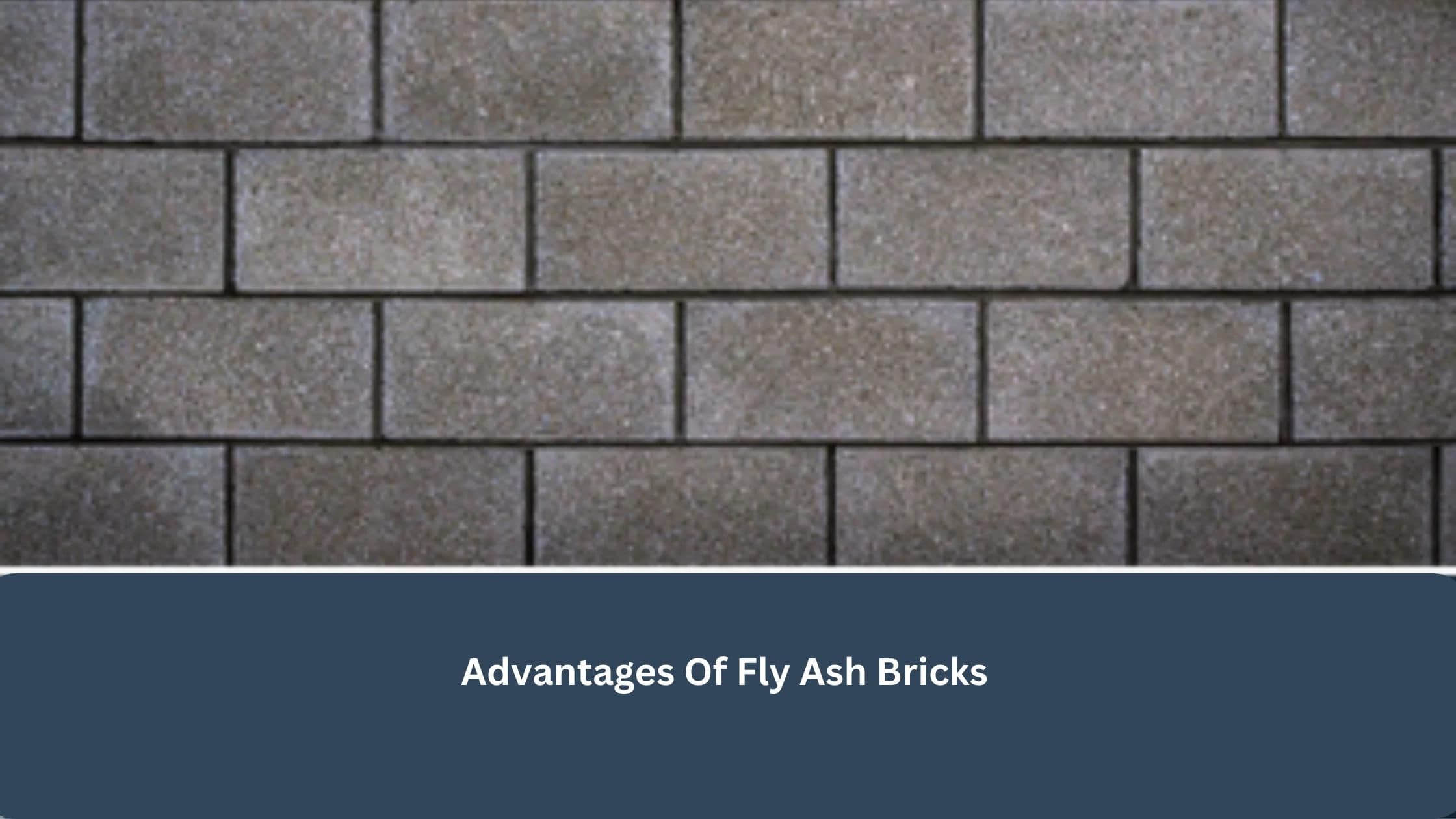
Construction of a building or a home requires a lot of planning and utilization of robust and everlasting material. As the engineer and builders begin laying out the plan, they would first need to identify the best brick in the market to create the base for the walls of the building/home. Hence, developers now trust the advantages of Fly Ash Bricks in Udaipur over the other types of brick. Ash Bricks have garnered much attention in recent years; still, when choosing between Fly ash Bricks vs Red Bricks, there has been an age-long debate amongst the builders and developers. Many are still favoring the quality of red brick and feel that the ancient techniques are better. However, these developers fail to realize that new methods must be applied with time, especially when they are into the business of developing homes. When selecting a construction company, customers rely on the developer to use the best substance and give life to their project. It is one significant aspect behind a developer company earning goodwill in the market. They would know all about the recent trends and quality of the building material newly introduced, and when it comes to selecting bricks, they should probably measure the advantages of Ash Block Bricks. Before counting on the benefits of Fly Ash Bricks, both the client and the developers need to comprehend what these new building blocks are and what they consist of? What are Fly Ash Bricks? Fly Ash Bricks are a different form of building block usually utilized in developing multi-story apartments in several parts of India. They are a perfect example of how to use waste to create something worth an enormous amount. It is manufactured by adding thermal plant residues such as ash from burnt coal by replacing 10 to 20% of actual cement and other substances such as river sand and stone aggregates. All of these are mixed, giving them a rectangular shape similar to the red clay bricks. According to the BIS Standards, Ash Block Bricks are entirely reliable and durable over conventional red bricks. Moreover, as Q. Greencon Pvt Ltd points out, the annual generation of fly ash is expected to be around 200 million tonnes by the end of India’s 12th five-year plan and approximately 500 million tonnes by 2032. Advantages of Fly Ash Bricks While we are discussing the benefits of Fly Ash Bricks, it is a must to focus on the cities that are the new emerging site of development projects. Udaipur is amongst those growing and expanding locations in India where people prefer to buy affordable plots. Property dealers are looking for lands to develop builder floors since they are the new lucrative profit-optimizing option. Hence, they give an upper hand to the construction companies employing fly ash cemented bricks in Udaipur to create attractive and durable homes and buildings. There are several reasons and benefits to choosing fly ash bricks as building blocks for homes and other projects. Let’s look into some of them. Ash Bricks are better in Appearance The best part about these building blocks is their appearance, wherein they do not require additional plastering, unlike red bricks, which need a separate layer of cement mortar. They are not visible to the bare eyes after the construction has been completed. Instead, one could directly use the Plaster of Paris and apply paint. Since there is less requirement for plastering the ash bricks, it becomes a cost-efficient building material, saving extra mortar. Fly Ash Bricks Cost As we discussed above, fly ash bricks require a meager amount of plastering. It is comparatively cost-efficient in monetary terms, and the amount of space it occupies is also less than red bricks. So a developer would require relatively few laborers to complete the construction. A single fly ash brick costs Rs 4-6; on the other hand, a red brick costs Rs 5-10. Hence the choice is self-evident. Easy Availability Even though these building blocks are available near thermal power plants, the recent rise in production and utilization for all the major developmental projects have made them easily accessible. All the major cities supply these bricks, especially the dealers of fly ash bricks in Udaipur, who have impeccable quality and standards maintained to provide the construction companies with the best building material. Strength and Durability are better Even though fly ash bricks consist of environmentally friendly substances, they do not easily break. They have a comparative strength of 100 Kg/cm2. When applying Plaster of Paris, these bricks do not suffer from damages or visible cracks, and their durability makes them absorb less water. Overall, if these bricks are used to develop houses, there would be low chances of dampness on the wall. Their thermal properties would keep the house cooler, considering the scorching heat outside during summers in India. They are Light Weight Bricks Red Clay Brick is usually very heavy, and it is challenging for the laborers to carry them during the construction process. However, fly ash bricks are comparatively light in weight, and that’s why they are employed to construct multi-story buildings and apartments. When the height of the building increases, a heavier brick will cause tension on the foundational base, but if the building block is lighter, there is low tension, and the ground remains robust. It also reduces the chance that the building would collapse in times of earthquake. Fire and Vermin Resistant Red Clay Bricks are manufactured by baking them in a fire, making them, not fire-resistant building blocks. However, the organic production of fly ash bricks makes them relatively more fire and vermin attack-resistant. So one would not have to worry about the chances of the bricks turning hollow from the inside due to vermin eating them. More environment Friendly and Sustainable Option In our blog post, we repeatedly mentioned that fly ash bricks are a more environment-friendly option. What could be better than choosing a renewable alternative to make homes and buildings in a city? The availability of ash

admin
advantages of m sand || Difference Between (M Sand) Artificial & Natural Sand || Uses of Manufactured Sand (M Sand) || Properties of Manufactured Sand (M Sand)

Blog

Properties and Advantages of M Sand (Manufactured Sand)

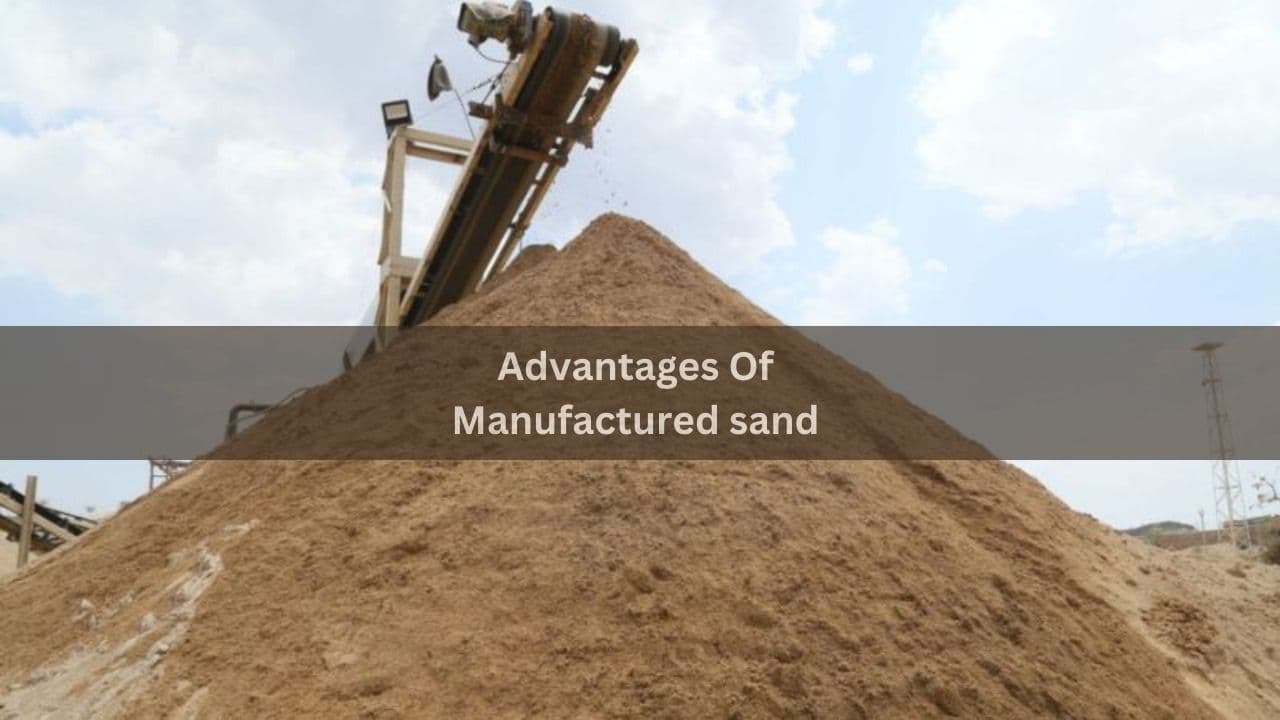
What is M Sand & Advantages of Manufactured Sand? Manufactured sand (m sand) likewise called artificial sand or crushed sand, formation of artificial sand is done by pulverizing rocks, stones, or larger aggregates into small size particles in the quarry. In recent years, with the reduction of natural sand, the market for artificial sand shows incredible potential, imperativeness and has many advantages of m sand also. Furthermore, the tremendous interest of the construction and development industry has advanced the improvement of the artificial sand market rapidly. Difference Between (M Sand) Artificial & Natural Sand: Artificial Sand is a sort of sand material delivered by sand-production gear, for example, an impact crusher. Compared with regular river sand, artificial sand has the qualities of sharp edges, many needles, and chips, and is rough. River/Natural Sand is straightforwardly exhumed from the stream, so it will be blended in with little rocks and fine sand. These little stones are washed by the stream for quite a while, and the edges and corners are round. Why Manufactured Sand (M Sand)? These days, wellsprings of normal sand, for example, river sand, pit sand, stream sand, ocean sand, and different sands for use as a total in development are turning out to be scant and depleted because of natural debasement. The driving requirement for elective totals in development has given the source to Manufactured Sand. One more reason for the utilization of Manufactured sand is its dynamic accessibility, diminishing transport distances and limiting contamination. Manufactured Sand is a superior substitute to river sand as it is created by machines an appropriate extent with molecule size. Uses of Manufactured Sand (M Sand) Artificial sand can be utilized for a wide range of development work, Concreting, Plastering, etc., and is a better substitute to stream sand. Properties of Manufactured Sand (M Sand) The physical and compound properties in Manufactured Sand are adjusted and can withstand any brutal climatic conditions. It can conquer the imperfections in concrete like segregation, honeycombing, consumption of support steel, voids, capillary, draining, and so forth. Higher Strength Manufactured Sand has a smooth surface and is liberated from stretched and flaky particles as it is formed by utilizing VSI moulding machines. The workspace-formed particles give more prominent toughness, higher strength, and long life to the concrete. More prominent Workability The cubical shape and legitimate degree (molecule ought to be from 150 microns to 4.75 mm inappropriate extent) give great adaptability to mortar creating fantastic functionality. Diminished Construction Defects The use of Manufactured sand in concrete reduces voids, bleeding, segregation, etc., as it has an ideal beginning and last setting time with astounding fineness properties. Economy As the Manufactured Sand doesn’t contain contaminants like river sand, the measure of wastage is nil. The transportation cost additionally turns out to be less as it is promptly accessible. In general, Manufactured Sand is 30% less expensive than river sand. Eco-accommodating The use of Manufactured Sand in supplanting with river sand keeps away from ecological debacles like groundwater consumption, water shortage, a danger to normal life, and so forth. Growing concern for environmental protection, Manufactured Sand is the best option in contrast to river sand. ALSO READ: Is Manufactured sand equal to natural sand? Advantages of M Sand Manufactured Sand has a higher Fineness Modulus Index contrasted with normal stream sand, which gives great functionality for concrete. Manufactured sand is liberated from slit and clay particles which offer better-scraped area opposition, higher unit weight, and lower porousness. Less problematic to the climate, as it decreases sand mining from river beds. Perfect grading and cubical shape of Manufactured Sand invigorates high and incredible strength to concrete. More financially savvy than river sand because of low transportation costs and consistent inaccessibility. Manufactured Sand (M Sand) Vs Natural Sand – A Brief Manufactured Sand Natural Sand Made in production lines under management Normally accessible at river beds Dampness is available just in water-washed Manufactured Sand Moisture is caught in the middle of the particles which is useful for concrete purposes. Higher concrete strength when contrasted with river sand Lower concrete strength when contrasted and manufactured sand Sand particles of Manufactured sand are cubically formed. This makes holding solid The extreme presence of flaky, sharp, and precise grains makes holding feeble. Residue content is zero Residue content is in the middle of 3-20% Marine Products Is 0% Marine Products (shells, and so on) 2-4% No larger than average materials as it is well-graded and manufactured under the control 6-10% of larger than average materials (stones) which ought to be sieved Better quality control since made in a controlled climate No power over quality since it is naturally occurring. The same stream bed sand can have contrasts in sediment substance. Eco-accommodating items, it makes less harmful for the climate when compared with river sand. Harmful to the climate. Eco awkward nature diminishes groundwater levels and river water gets evaporated. Classification based on Sieve Analysis Rock in Sand The sand which is going through the 7.62 mm strainer is called gravelly sand. This kind of Sand is utilized in making concrete. Coarse Sand The sand which is going through the 3.175 mm strainer is called coarse sand. This size of sand is for the most part utilized for workmanship works. Pit sand is for the most part coarse in nature. Fine Sand Sand going through the 1.5875 mm sifter is called fine sand. Fine sand is generally utilized in putting works for better completion. Arrangement Dependent on Grain Size Based on grain size sand is classified into very fine sand, fine sand, medium sand, coarse sand, and very coarse sand the grain sizes of various kinds of sand are specified beneath: Types of Manufactured Sand Grain Size Very Fine Sand 0.0625mm to 0.125mm Fine Sand 0.125mm to 0.25mm Medium Sand 0.25mm to 0.50mm Coarse Sand 0.50mm to 1mm Very Coarse Sand 1mm to 3mm Conclusion Examining the current situation, for example, a lack of river sand, tremendous slip in the nature of river sand, significant expenses,

admin
Importance of Manufacturing Sand | Raj Mineral | Manufacturer of M sand in Udaipur

Blog

From Quarry to Quality: Utilization and Importance of Manufacturing Sand

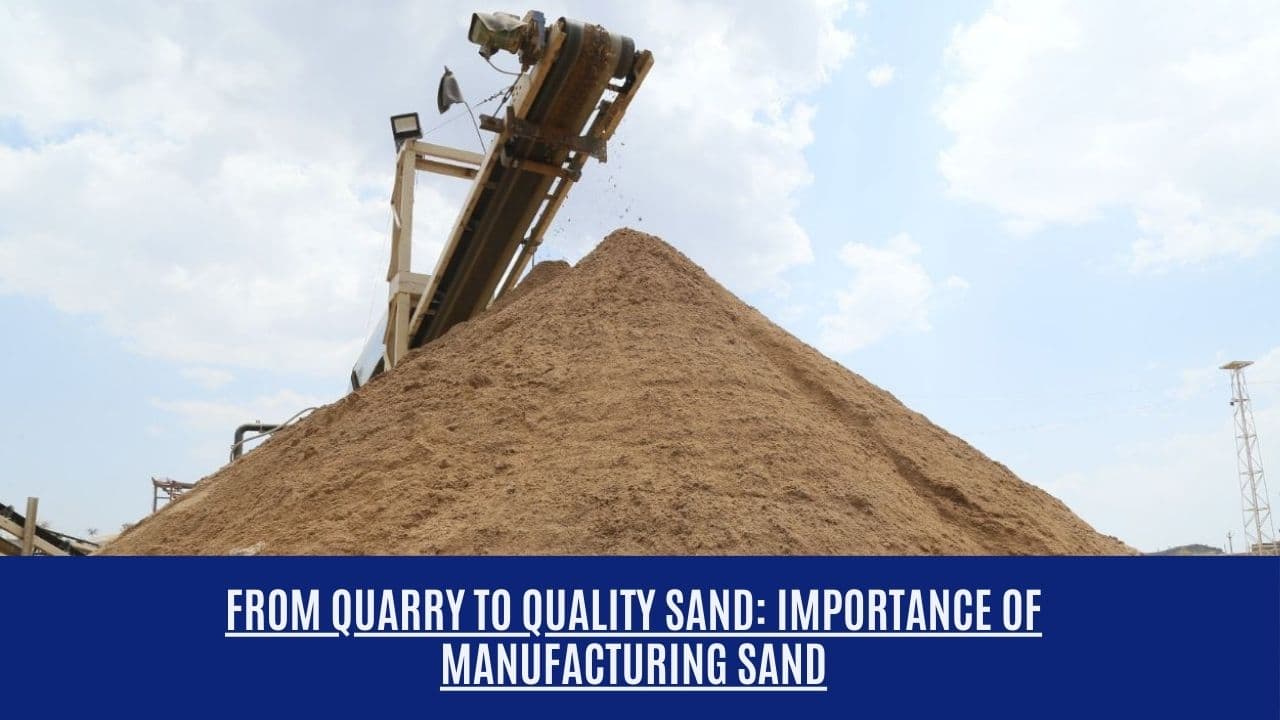
Utilization and Importance of Manufacturing Sand Common or watercourse sand square {measure} endured and destroyed particles of rocks and area unit of various evaluations or sizes wishing on the measure of sporting. Presently a-days tight sand is not promptly accessible, it’s moved from a major distance.  Therefore it’s a requirement of a chance to find some substitute to characteristic waterway sand. The pretend sand created by legitimate machines is a superior substitute to waterway sand. The sand ought to be of legitimate degree (it got to have particles from a hundred and fifty microns to four.75 millimeters in applicable extent). At the purpose once fine particles area unit in applicable extent, the sand can have fewer voids. The concrete quantity needed is less. Such sand is cheaper. Interest for invented fine totals for creating concrete is increasing step by step as waterway sand cannot fulfil the rising want of development space. Regular stream sand takes an oversized variety of years to form and is not replenishable. In light-weight of its restricted inventory, the expense of Natural watercourse sand has soar and its certain stockpile cannot be ensured. Underneath this circumstances utilization of invented sand gets inescapable. Waterway sand in varied items of the state is not reviewed fittingly and has unreasonable residue and natural debasements and these are adverse to the solidness of steel in cement whereas made sand has no sediment or natural contaminations. Substitution of common sand in cement It is evident the accessible quantity of standard sand is decreasing throughout the previous a few years. This is often by all accounts a worldwide pattern, except for sure areas is usually bountiful with common sand. The explanations of traditional sand group action is in addition comparable all over on the globe, existing characteristic sand stores area unit being depleted thanks to fast urbanization, and new stores area unit found either underneath or too close to effectively developed regions, or too isolated from the zones wherever the fabric is needed. All the above mentioned, joined with problems with protective territories of standard magnificence, recreational price and multifariousness, area unit presently an important piece of the cycle of most neighbourhood government organizations round the globe whereas acquiescence consent for rock, minerals or common sand extraction. On account of the circumstance attempt the event business these days, that most concur will not amendment drastically at intervals an affordable timeframe, press totals area unit presently replacing regular sand and rock in varied nations. Manufacturing sand–the common substitution? For molecule sizes from 4mm and upwards, press total will by and huge follow its common partner in most development applications, except if there are a unit express wants for AN exceptionally adjusted form and swish surface. This is often seemingly why there has been a characteristic move towards press totals in several business sectors within the previous some decades. For fine totals (by European trade tips, those things underneath 4mm) the substitution of characteristic sand in cement could be an additional unpredictable issue. Verifiably, fine total has been a result of the devastating and screening live. Thanks to its harsh surface, flaky and extended molecule form and frequently lacking size degree, its exhibition in several cements has been poor. Water interest, and on these lines concrete interest, has been exceptionally high to accomplish a helpful solid, which has, naturally, created several solid producers avoid utilizing press sand. As of late, yet, an amendment has occurred, driven by the often intense have to be compelled to discover AN item which might coordinate the properties of traditional sand in cement. Excellent deals of innovative work ventures are started on a public premise by makers’ affiliations and by singular organizations want to be at the innovative of advancements. It is tough to quickly add up all the aftereffects of this immense assortment of labor, but once all is alleged in done the discoveries purpose towards nice prospects of replacing common sand with press fine totals. Late examination suggests that created sand offers alternative constructive outcomes on cement. A regularly noted finish in numerous examination and discussion gatherings is that a distinction visible and mentality is needed. To succeed, total manufacturers have to be compelled to move aloof from trying to utilize the ‘squander’ from a complete plant as an on the spot swap for traditional sand in cement, and rather take a goose at the whole cycle that’s expected to form a sand with the proper properties. The term ‘fabricated sand’ has arisen as in addition fitting depiction to material that has been created to satisfy the standard wants of the solid (and black-top) trade. For the whole maker, withal, it is not in each case easy to grasp exactly a way to characterize the standard stipulations for invented sand. Whereas there’s a really abundant characterized set of norms portraying the properties of the coarse total (shape file, stretching record, PSV esteem and then forth), the wants for a fine total don’t seem to be all that easy to characterize. As an example, molecule form – that is imperative for brand spanking new solid utility – is not something however tough to measure and portray for molecule sizes from zero.063–0.5mm. ALSO READ: Best Construction Materials In Udaipur The degree of fines for manufacturing sand Another significant issue is the fines substance of produced sand. This is regularly a lot higher in fabricated sand than in common sand, because of the way that the fines delivered during nature’s ‘sand creation cycle’s have been washed away. Industry guidelines permit just restricted measures of fines (0.063–0.125mm particles) in the fine total. Regardless of whether late exploration and a developing number of business models point towards the benefits of utilizing higher measures of fines, the ideal measure of fines will shift contingent upon what sort of cement the sand is expected for. Henceforth, there is a need to eliminate the fines and afterwards mix them back in, paying little mind to the level required. Sand making machine There are various

admin
Fly Ash Bricks vs Red Bricks | Raj Mineral

Blog

Fly Ash Bricks Vs Red Bricks: The Definitive Comparison

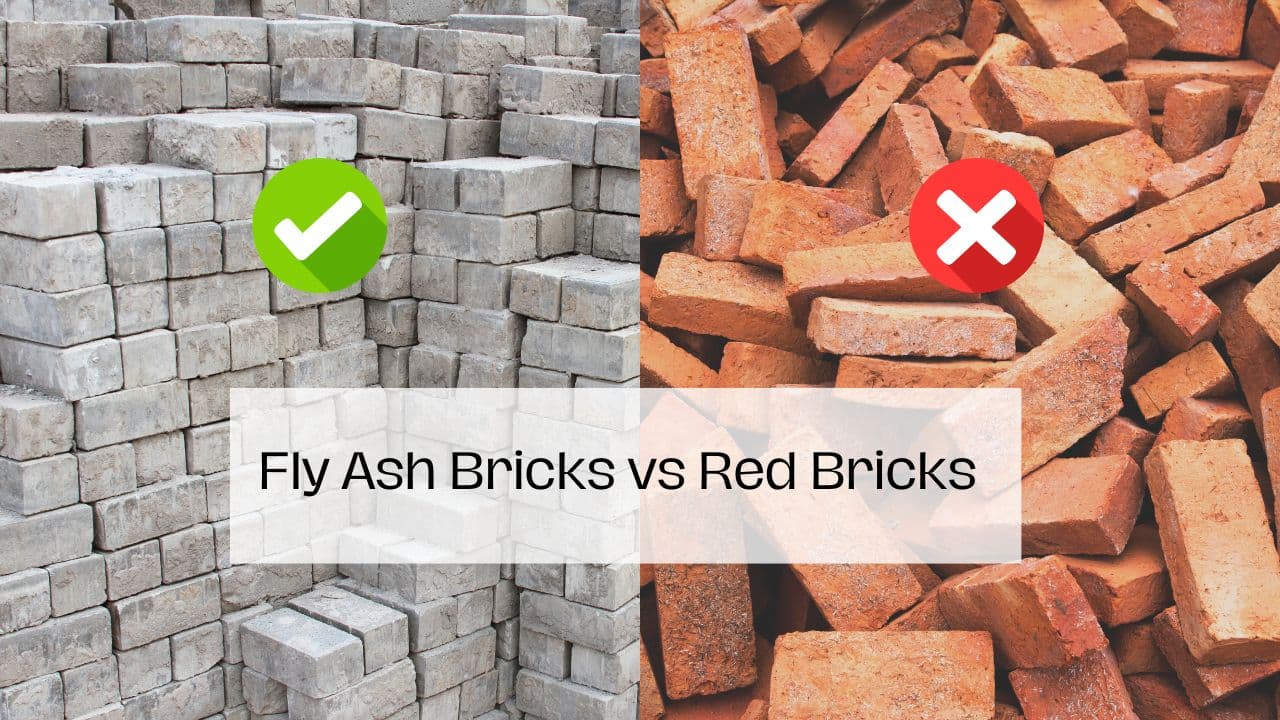
Comparing the Composition of Fly Ash Bricks Vs Red Bricks Red Bricks are no more into existence, the real product is Fly Ash Cemented Bricks Gone are the days when red bricks were used now its existence is overtaken by fly ash bricks. Let me start with what actually is the difference between country/factory made red bricks and fly ash bricks. And how a small change in construction can prove environment-friendly and can do wonders! If we talk about red bricks then let’s analyze its properties. Properties and Features of Red Clay Bricks- Made of clay so color may vary from red to light brown. Clay bricks are handmade thus is not of uniform size. The rough surface so require plaster. More porous. Heavy and costly. Clay bricks are made from topsoil or fertile soil.   These above properties make it less demandable as consistency and strength in comparison to fly ash cemented bricks are less and it is costly as well. In the same way, if we talk about cemented bricks its properties are way too high in comparison. Properties and Features of Fly Ash Cemented Bricks- Fly ash is of cement color. Uniform size as made in molds. Smooth surface hence plaster is not required. Not porous as compared to clay bricks. Lighter in weight. Friendly as made from waste material which comes from the combustion of coal in thermal power plants. Lighter in weight and less costly.   ALSO READ: Why you should use cemented bricks in construction Thus all these properties make Fly ash bricks more preferable over Red clay bricks. Fly ash cement bricks are made from hi-tech and well improved in terms of quality for construction and are a true replacement for normal clay bricks. Let’s talk about the composition of cemented bricks– Important Components Used in Fly Ash Bricks Cement Fly Ash Water Sand What is the source of Fly Ash? As we all know 72% of India’s power plants are coal-based and this power station generates nearly 40 million tones of fly ash every year. Industries who are using coal as a fuel emits unwanted ash and smoke from which fly ash is generated. This fly ash is separated using cyclone converter in all power plants and industries. Thus fly ash generated is then used as a raw material for manufacturing of bricks. What is the nature of pollution caused by Fly Ash? To balance environmental pollution and to protect perilously imbalanced environment fly ash is used in a proper way by using it in various application among which is fly ash bricks. As fly ash causes severe pollution of air and water and gobbles tons of large tract of land. By looking at its properties and nature of sustainable use people are getting more aware of it so as to become environment-friendly and cost-efficient at the time of construction. Thus Raj Mineral, the Best Fly ash bricks manufacturer in Udaipur, where the production is done on bulk and of the right size. Follow us on @rajminerals

admin
manufactured sand in Rajasthan | m sand | m sand supplier in Udaipur| sand supplier in Rajasthan | Rajesh Mundra | Raj mineral

Blog

Meet The Man Behind Manufactured Sand In Rajasthan

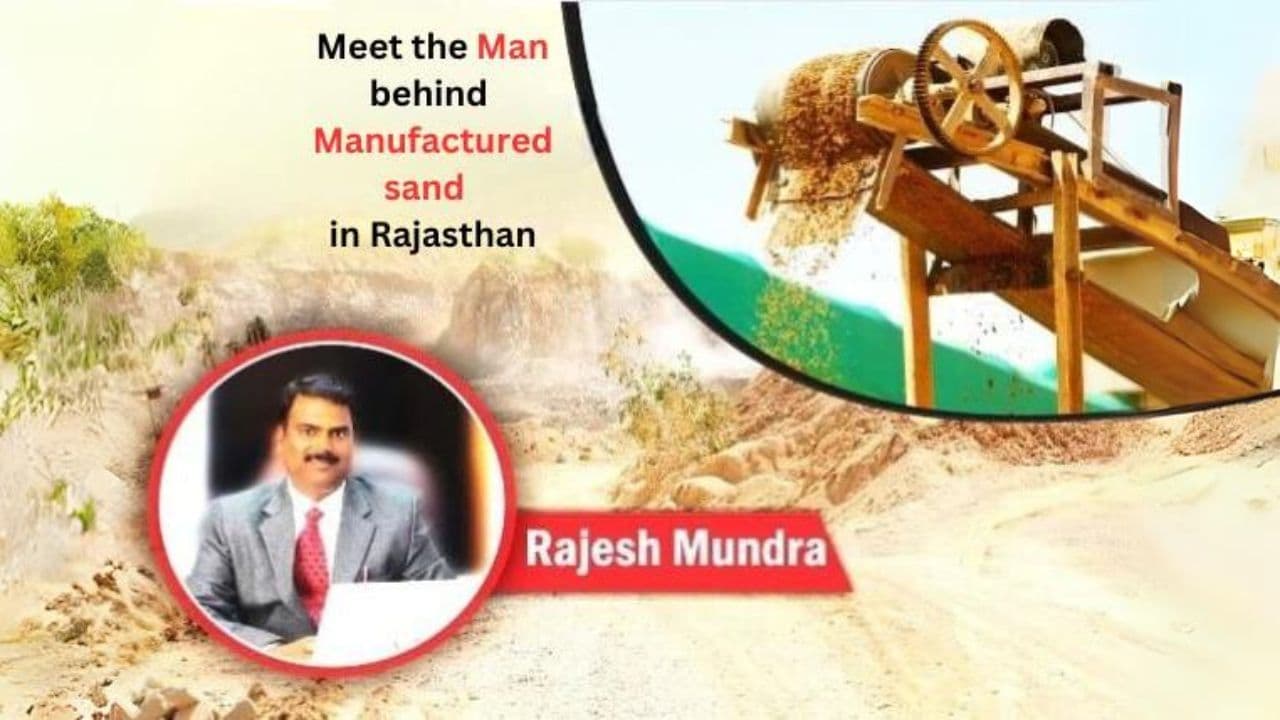
Revolutionizing Construction: Manufactured Sand in Rajasthan As we all know with ban on mining of river/sea sand demand for sand has increased and to balance the demand and supply manufactured sand was introduced; a substitute of river sand for concrete construction. Sand is a crucial part in construction industry as it is second most used raw material. With new policy implementation in Rajasthan demand for manufactured sand has increased for constructional needs. Due to severe scarcity and price hike in Rajasthan Mr. Rajesh Mundra of Raj Mineral, Rajasthan brought substitute of natural sand. Every year the state requires nearly 100 tones of construction sand, till recently all of these used to arrive from the river beds. However, the mining has been on hold in compliance of Supreme Court orders in a related case. Initially people thought ban to be temporary but with passing year people started looking for alternatives. Benefits of Manufactured Sand- According to Mr. Rajesh mining river sand is not only hazardous for Mother Nature but also it has many impurities which needed to be processed so as to use in construction. After introduction of M-Sand there came lot of advantages such as – Higher strength of concrete No organic compounds Durability and workability of concrete Economical Eco-friendly Cost and time efficient Less concrete defects.   Establishment- We ‘Raj Mineral’ established our operation in year 1990 As one of the first manufacturer of Manufactured Sand in Rajasthan, Udaipur. Backed by a magnificent infrastructure, we are engaged in successfully catering to the varied requirements of our valuable patrons. At our workspace, we have set up multiple machines that help us in the optimum management of various operations such as production, storage and hassle-free loading & unloading of M-Sand. We manufacture best quality sand for concrete construction at a very pocket friendly price. ALSO READ: Manufactured Sand: Alternative of River Sand Exquisite Properties of M-Sand Ever wondered about the economic and ecological benefits of manufactured sand and how it is equal to natural sand? Let me explain you with its properties and compounds. Sourced from Quarry stones ie; good quality crushing stones. Compressive & flexural strength are higher which make it more powerful. Less adulteration gives high quality. No moisture content, as artificially created is completely dry. Artificially created so no oversized material. Specific gravity – Approximate 2.73 (depends on parent rock). Cubical and angular in shape, rough texture provide better quality for construction. All these factors and special suggestions are from man of manufacturer itself thus we can judge easily that why to switch to artificial sand over natural one. One reason to choose raj mineral over others is its quality production and tremendous supply by giving rest to sand mafia and unwanted price hike. For more details check product details. Visit our website and explore all the eco-conscious options by Raj Mineral today! Follow us on @rajminerals

admin
Alternate of river sand | m sand plant in Udaipur | m sand supplier in Udaipur| m sand manufacturer in Udaipur| manufactured sand in Udaipur | artificial sand in Udaipur | manufactured sand supplier in Udaipur

Blog

Manufactured Sand : Alternate of River Sand

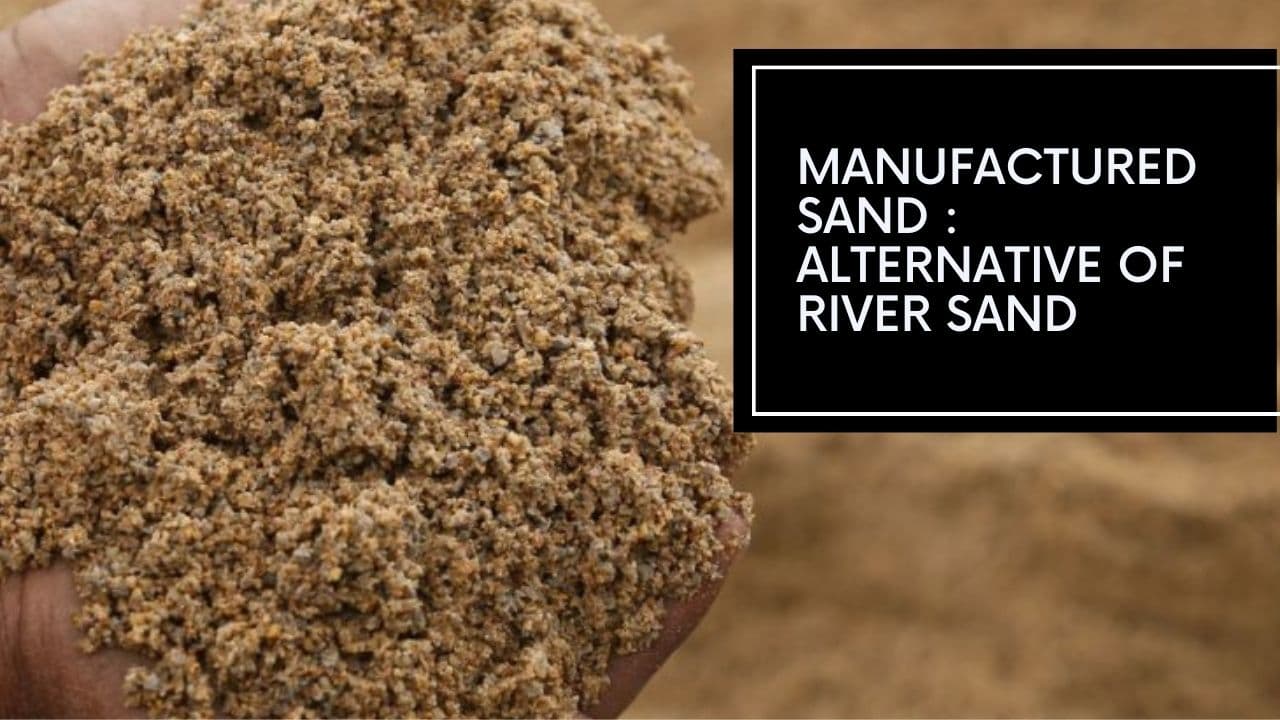
A Sustainable Alternate of River Sand – Building a greener future with M-Sand As we all know natural sand depletion has caused an alarming sign for mother nature and due to government ban, demand and supply graph is affected resulting in increased rates and poor quality sand. To bridge, this gap people have come up with alternate of river sand and innovated Manufactured sand. “Manufactured sand is a substitute of river/sea sand for concrete construction and it is produced from hard granite stone by crushing.” For generations, river sand has been the go-to material for construction projects. However, excessive extraction of river sand has led to several environmental concerns, including riverbed depletion, ecological imbalances, and disruption of water flow. This has necessitated the exploration of sustainable alternatives. Manufactured sand (M-sand) has emerged as a viable and eco-friendly solution. Let’s delve into what M-sand is, its advantages over river sand, and how we, as a responsible company, are providing a reliable alternative. What is Manufactured Sand? M-sand is a precisely engineered construction material produced by crushing and grinding hard rocks, granite stones, or quarry waste into fine particles. This process, employing advanced machinery, ensures consistent quality and specific size gradations. Unlike river sand, which can vary greatly in composition and size depending on the source, M-sand offers predictability and enhanced performance in construction applications. Manufactured sand is a substitute of river/sea sand for concrete construction and it is produced from hard granite stone by crushing. The crushed sand is of cubical shape with grounded edges, washed and graded to as a construction material. The size of manufactured sand is less than 4.75mm & it varies depend upon customer needs. Advantages of Manufactured Sand over River Sand Environmental Sustainability:  M-sand production significantly reduces the dependence on river sand extraction, protecting river ecosystems and promoting sustainable construction practices.  Consistent Quality: Manufactured in a controlled environment, M-sand offers a uniform grain size and shape, leading to superior workability and predictable concrete performance.  Reduced Impurities: M-sand undergoes a screening process to remove organic matter, clay particles, and other impurities often found in river sand. This minimizes the risk of cracks and weaknesses in concrete structures. Enhanced Strength: The cubical shape and rough texture of M-sand particles create a stronger bond with cement, resulting in increased compressive and tensile strength of concrete.  Reduced Water Content: M-sand’s optimized particle size distribution allows for a lower water-cement ratio, leading to denser and more durable concrete.  Availability:  M-sand production facilities can be set up closer to construction sites, reducing transportation costs and environmental impact. Natural Sand vs. Manufactured Sand Feature Natural Sand Manufactured Sand Origin Obtained from rivers, beaches, or deserts through erosion Produced by crushing rocks or recycled concrete Shape Round and smooth particles Angular and rough particles Size Variable depending on source Consistent size due to crushing process Silt Content Can vary, may contain higher amounts Lower content due to processing Workability Generally good due to smooth particles May require more water for workability Strength Good, but may vary depending on source Can provide higher strength due to interlocking particles Environmental Impact Extraction can deplete natural resources Sustainable alternative to natural sand ALSO READ: Lab Test Report of M-Sand How We Are Providing a Reliable Alternate of River Sand? We are committed to promoting sustainable construction practices. Here’s how we ensure a reliable supply of high-quality M-sand: Rigorous Quality Control: We implement stringent quality control measures throughout the production process, from rock selection to final grading. This guarantees that our M-sand consistently meets the IS standards for use in construction. Advanced Processing Techniques: We employ cutting-edge crushing, grinding, and screening equipment to produce M-sand with the desired particle size distribution and minimal impurities.  Technical Expertise: Our team of experienced engineers and technicians possess in-depth knowledge of M-sand properties and their application in concrete mixes. We can provide technical guidance to ensure optimal utilization of M-sand in your construction projects. Resposible Sourcing: We prioritize responsible sourcing of raw materials to minimize environmental impact. We may utilize recycled construction and demolition waste as a source material wherever possible. Working Together for a Sustainable Future The shift towards M-sand is crucial for safeguarding our rivers and promoting a more sustainable construction industry. By embracing innovative solutions like M-sand, we can build a greener future for generations to come.  We are a reliable partner in your sustainable construction journey. We invite you to collaborate with us and explore how M-sand can enhance the strength, durability, and environmental consciousness of your projects. Contact us today to learn more about our high-quality M-sand and how it can contribute to your sustainable construction goals. Raj Mineral, a leading manufacturer of M sand, believes that manufactured sand presents a compelling alternative to river sand, offering numerous benefits for both construction and the environment. By choosing M-sand, we can collectively contribute to a more responsible and sustainable future for the construction industry. Follow us on @rajminerals

admin
cemented bricks in construction | Raj Mineral

Blog

Why You Should Use Cemented Bricks In Construction.

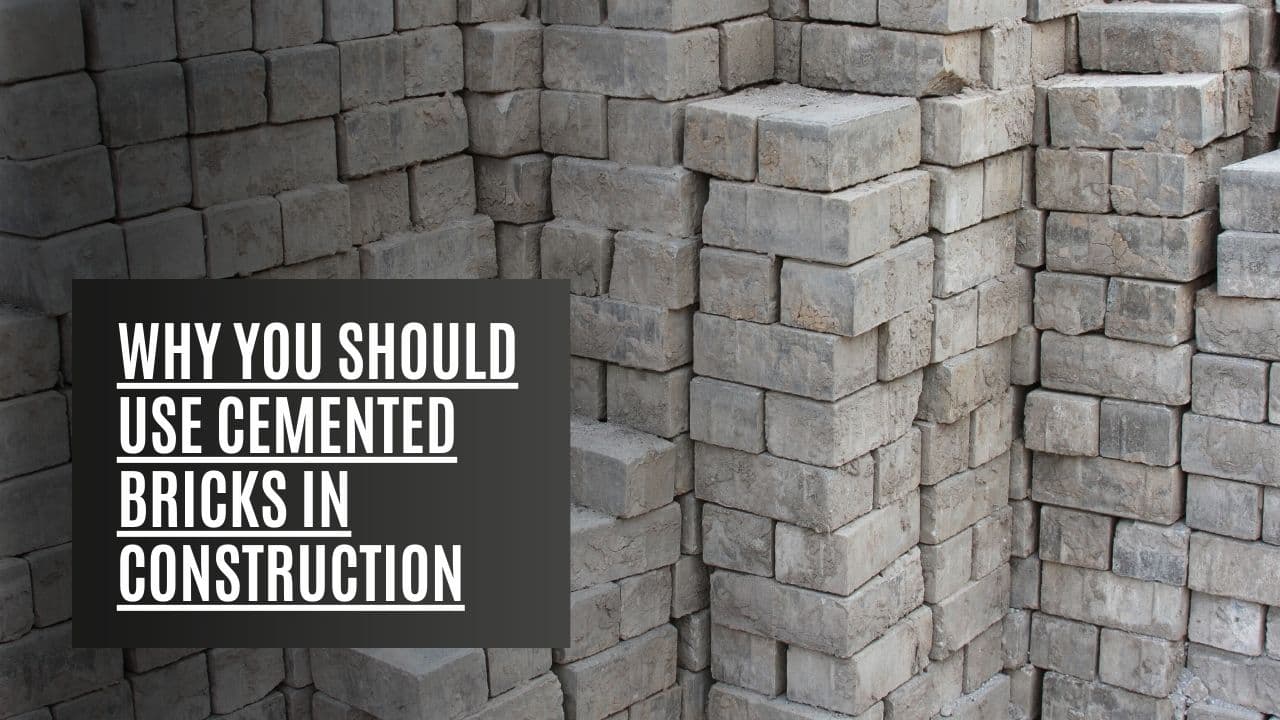
Elevating Foundations: The Dynamic Role of Cemented Bricks in Construction Cemented bricks are essential elements of the construction industry. They are more than what they seem to be, as they bear the complete structural load. Therefore, they need to be of top quality, strong, durable, and also affordable to buy and maintain. Cement bricks play a key role in masonry construction. These are- A key component and its contribution is structural support As we all know it plays a major role in masonry work, let’s discuss its composition and role played in strengthening and support. If we talk about the traditional way it is a unit of clay, rectangular in shape. Bricks are produced in numerous classes, types, materials, and sizes which vary with region and time period, and are produced in bulk quantities. Two basic categories of bricks are fired and unfired bricks or we can say clay composed or concrete based. Industrial revolution’s impact on technological advancement With the onset of industrial revolution demand for bricks increased rapidly, more and more construction affected demand & supply graph thus resulted in the evolution of concrete/non fired cement bricks. Produced in bulk with pre-quality and durability check is what we called technological advancement. With time change is inevitable, nowadays to meet the upcoming demand-supply ratio people has come up with effective alternates. The raw material used in making cemented bricks are- Fly ash Sand/Stone dust Ordinary Portland Cement/(Lime+Gypsum) What we should expect from modern days bricks? If we discuss parameters these few questions hit our mind! What are the strength, durability, and maintenance? Does it is according to climatic condition? Will it support structural load? Distribution of load and maintain indoor walls. Components, Manufacturing, and Strength Measures of Cemented Bricks To address these queries, we will elucidate the components and manufacturing processes involved in cement bricks. Additionally, we will delve into the specific strength measures implemented in their production. Types and Uses of Cemented Bricks: Cement bricks find applications in constructing homes, garden structures like retaining walls, driveways, and walkways. Various types include Construction Cement Bricks, Cement Solid Brick, Cement Hollow Blocks, Fly Ash Cement Bricks, and Building Cement Bricks. Key Features of Cemented Bricks: High Strength Perfect Finish Crack Resistance Different Shapes and Sizes Key Ingredients of Cemented Bricks: Cement bricks consist of a mixture of powdered cement, water, sand, and gravel. This results in a light gray block with fine surface texture and high compressive strength. The concrete mixture used for blocks typically has a higher percentage of sand and a lower percentage of gravel and water, creating a dry, stiff mixture that maintains its shape. Additionally, admixtures may be included to alter curing time, increase compressive strength, and improve workability. Thorough quality control checks ensure excellent quality in cemented blocks for buyers. ALSO READ: Is Manufactured sand equal to natural sand Advantages of Cemented Bricks Environment-friendly Cement bricks boast eco-friendliness, minimizing environmental impact throughout their lifecycle, from production to disposal. Compressive Strength for Structural Load Support These bricks exhibit exceptional compressive strength, ensuring robust support for various structural loads in construction. Easily Available in Bulk Widely accessible in large quantities, cement bricks streamline construction processes with readily available and consistent supply. Moldability as per Design and Climatic Condition Offering versatility, cemented bricks can be easily molded to suit specific designs and adapt to varying climatic conditions. Quality Control Stringent quality control measures guarantee the production and distribution of high-quality cement bricks, meeting industry standards and customer expectations. Conclusion Cemented bricks from Raj Mineral epitomize the transformative dynamics in construction. Beyond bearing structural loads, these bricks offer strength, sustainability, and versatility. With meticulous quality control, eco-friendliness, and adaptability, they redefine the construction landscape. Elevate your projects with the enduring excellence of Raj Mineral’s cemented bricks. These all factors make it a right choice in the construction industry and for more details contact Raj Mineral. Follow us on @rajminerals

admin
Is Manufactured Sand Equal To Natural Sand, m sand, m sand supplier in Udaipur

Blog

Is Manufactured sand equal to natural sand

Manufactured Sand Equal to Natural Sand Ever wondered about the economic and ecological benefits of manufactured sand and how manufactured sand is equal to natural sand? Sand is one of the vital ingredients in construction and daily a huge amount of sand is consumed which is directly causing hazard to our river beds and ecosystem, As it is extracted by digging riverbeds or river banks causing excessive depletion of natural resource and thus creating a huge gap in demand and supply with major hike in price and making it unaffordable. The shortage of good natural sand has raised the question of concern among the construction industry and to solve this challenge manufactured sand is developed, which is also one of the better options against poor quality sand, particularly containing silt. By using crushed sand in construction work has not even helped in increasing supply but also played a major role in affecting price and Mother Nature. Let me help you with a better understanding of its concept, including how manufactured sand equal natural sand. To elaborate, here is a brief comparison of properties between these two so that you can make a correct choice. Basis Manufactured (Crushed) Sand Natural Sand Source Crushing rocks, quarry stones and large aggregate pieces Excavated from river beds / river banks Shape Cubical and angular, rough texture hence better for construction Round & smooth surface Strength Compressive & flexural strength are higher, make it more powerful Compressive & flexural strength is lower Eco friendly It causes less damage to environment Sand depletion has hazardous effect on riverbeds reducing ground water and environment Adulteration less adulteration Acute shortage causes more adulteration; saline sea sand is common source of mixing in coastal areas Silt content Less chances as it gets manufactured River beds contain silt due to soil erosion thus it need to be washed Moisture content No moisture content Moisture is present between particles hence it affects concrete mix design and quality Over sized Artificially created so no oversized material Screening is needed as oversized material is present in natural sand Marine slump No chance as created artificially Contains marine products such as grass, algae, clay lumps, bones, shells, mica etc. which are harmful to properties of concrete Specific gravity Approximate 2.73 ( depends on parent rock) Approximate 2.65 (depend on rock at catchment area) Advantages of Manufactured Sand- Eco friendly Better concrete and mortar quality Uniformly graded aggregates Higher durability and strength No slump Bulk density 1.75 Kg/m3 Water retentivity of mortar is less Cheaper than natural sand ALSO READ: Lab Test Report of M-Sand Manufacturing Process- Manufactured Sand is sand produced by crushing rocks, larger aggregates pieces or quarry stones into sand-sized particles. The produced sand is then sieved and washed to remove fine particles and impurities, and tested for various quality aspects before it is deemed fit as a construction aggregate. Thus increased availability of crushed sand (manufactured sand) has result in low demand of river sand & making it cheaper. This blog discusses the comparison between manufactured sand (M-sand) and natural sand. It highlights the differences in production, quality, and usage of these two types of sand. M-sand is created through crushing rocks, offering consistent quality, while natural sand is sourced from riverbeds, emphasizes that M-sand can be a sustainable alternative to natural sand, reducing environmental impact. However, the choice depends on the specific construction needs. It’s crucial to understand the characteristics and benefits of both types to make informed decisions for construction projects. Fine crushing and separation requires specialized technology and knowledge. And thus Raj Mineral brings you with finest manufactured sand with high standards of quality testing. For more information please contact on 9414169137, 9799496137. Follow us on @rajminerals

admin
m sand, m sand supplier in Udaipur, sand supplier in rajasthan, Raj Mineral, Lab Test report of M sand of Raj Mineral

Blog

Lab Test Report of M-Sand

Unveiling Superior Quality: Raj Minerals’ M-Sand Lab Test Report Discover the superior quality of Manufactured sand from Raj Minerals, a prominent M sand plant in Rajasthan. Our state-of-the-art crushing facility in Udaipur ensures top-notch production. We are the trusted source for sand supplier in Rajasthan, offering excellence in every grain. As a leading m sand supplier in Rajasthan, our commitment to quality is evident in our lab test reports. This blog delves into the details of our products, produced at our facility, highlighting its performance, characteristics, and suitability for various applications.     Laboratory-Tested M Sand: We provide laboratory-tested M sand from our crushing plant in Udaipur, Rajasthan. Quality Assurance: Rigorous quality control measures guarantee the superior quality and consistency of M sand. Performance: Our sand exhibits exceptional performance characteristics, meeting industry standards. Suitability: Raj Minerals’ M sand is suitable for a wide range of construction applications, ensuring durability and strength. Cost-Effective Solutions: We offer cost-effective solutions to meet various project requirements. Eco-Friendly: Our manufacturing processes are environmentally friendly, contributing to sustainable construction practices.   ALSO READ: Meet the man behind the manufactured sand in Rajasthan Raj Minerals, a leading M sand supplier in Rajasthan, delivers top-quality, lab-tested sand from our crushing plant in Udaipur. This eco-friendly product meets stringent quality standards, ensuring durability, strength, and cost-effective solutions for construction projects in Rajasthan. Follow us on @rajminerals

admin
Call Now