Raj Mineral Logo
HomeAbout Us
Plants & ProductsBlogsContact Us
Blogs

Articles and Updates

Insights from Raj Mineral on products, construction materials, and practical site use.

types of sand used in construction | m sand | raj mineral | m sand manufacturer in Rajasthan

Blog

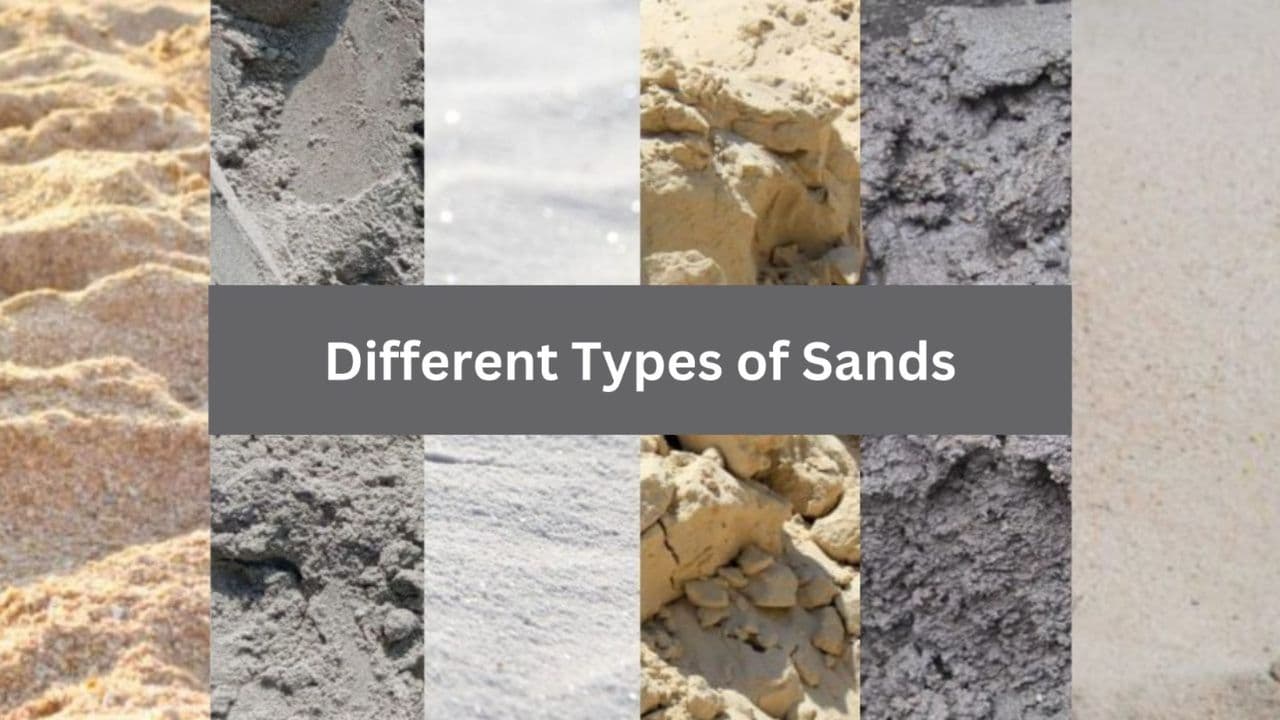
6 Different Types Of Sand Used In Construction

Different Types of Sand Used in Construction Sand is one of the main building elements used to provide structure strength and endurance. A structure needs strength and rigidity, and sands and gravels may give it both. Sands are utilized in various kinds of flooring, grounding, and wall strengthening since they are simple to compress. To reach its full potential, sand must be combined with other elements, and if the proper ratio is exceeded, it may become heavy. The structure will become less stable and robust as a result. Let’s examine a few forms of sand that are utilized in construction: Masonry Sand Masonry sand is commonly nearly new in the construction of brick, block, and stone walls. This sand is also known as bricklayer’s sand and is normally a finer grade of sand than other types of construction sand. Masonry sand is easy to work with and has a smooth texture, making it ideal for producing a strong and reliable mortar. Masonry sand is usually washed and screened to ensure that it is free of impurities, such as dirt and debris.     Concrete Sand Concrete sand is a rough, powder sand this is used as a element in concrete. This type of sand is also known as coarse sand and is used to create strong and long-lasting solid structures. Concrete sand is normally washed and conceal to ensure that it is free from impurities, such as dust and debris.     Plaster Sand Plaster sand is an excellent-grained sand that is used in the creation of stucco and plaster. This kind of sand is also known as  first-rate sand and is normally finer than dissimilar forms of creation sand. Plaster sand is straightforward to work with and has a clean texture, making it perfect for creating effortless or even surfaces.     Fill Sand Fill sand is a type of sand that is usually used in construction to fill voids and gaps. This sand is typically coarser than other kind of construction sand and is used to create a solid base for buildings and structures. Fill sand is also used in landscaping and agriculture, as it can be used to create increasing beds and retaining walls.     White Sand White sand is a type of sand that is white in color and is commonly used in landscaping and as an enhance element. This type of sand is commonly finer than other kind of construction sand and is effortless to work with. White sand is also used in the production of glass and is a popular component in zen gardens.   ALSO READ: What is the difference between M Sand and River Sand?   Filter Sand Filter sand is a type of sand this is used in the filtration of water and different liquids. This type of sand is generally rounded and uniform in shape, making it best for filtration purposes. filter sand is also used in the construction of septic tanks and wastewater treatment flowers.     Why Choose Raj Mineral? Raj Mineral is a reputable and reliable m sand manufacturer and supplier in Udaipur. There are several reasons why choosing Raj Minerals for your m sand needs is the right choice. Firstly, they use the latest technology and state-of-the-art machinery to produce high-quality m sand that meets the industry standards. Secondly, they source raw materials from the best quarries to ensure consistent quality. Thirdly, their team of experts are knowledgeable and experienced in the industry, ensuring that you receive the best advice and support. Lastly, they have a strong commitment to customer satisfaction, providing timely delivery and competitive pricing. Choose Raj Mineral for a reliable and quality m sand supplier in Udaipur. Conclusion In conclusion, these are the six different forms of sand that are commonly used in production. Every type of sand has its own unique properties and is used for specific packages. When choosing sand for production, it is important to consider the specific application, as well as the desired outcome. Whether you are constructing a building, laying pavers, or creating a landscape, it’s important to choose the right type of sand from the M Sand manufacturer in Rajasthan, to ensure that your project is successful. Follow us on Facebook: @rajmineral

admin
M Sand and River Sand, m sand manufacturer, M Sand, m sand plant in Udaipur, m sand supplier in Udaipur, m sand dealer in Udaipur, m sand manufacturer in Udaipur, manufactured sand in Udaipur, artificial sand in Udaipur, manufactured sand supplier in Udaipur, manufactured sand dealer in Udaipur, m sand in Udaipur, m sand plant in Rajasthan, manufactured sand in rajasthan, M sand in rajasthan, Sand Supplier In Rajasthan, sand manufacture in rajasthan, manufactured sand supplier in rajasthan, manufactured sand dealer in rajasthan, m sand supplier in rajasthan, m sand dealer in rajasthan, m sand manufacturer in rajasthan.

Blog

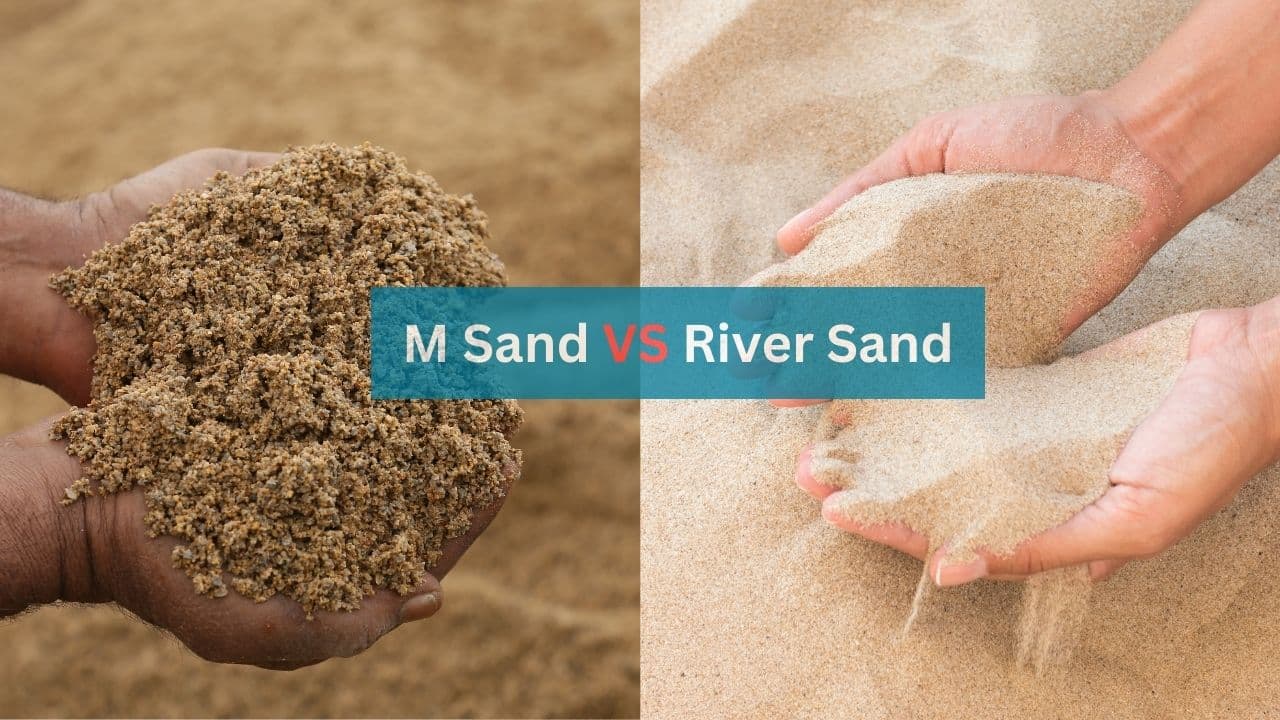
What is the difference between M Sand and River Sand?

Understanding the Differences Between M Sand and River Sand M Sand and River Sand are both construction materials widely used all over the world. M Sand is a type of crushed aggregate used as a replacement for river sand. It is made from hard granite stone and is cubic in form with ground edges. M Sand is produced sand of the highest calibre and meets all international criteria. An inexpensive and environmentally beneficial substitute for river sand is M Sand. Hard granite stones are crushed to create M Sand. M Sand is denser, more durable, and cleaner than river sand and is devoid of silt and clay particles. Due to its accessibility and capacity to provide concrete with the necessary strength, M Sand is a preferable option over river sand. River sand can be swapped out for M Sand (Manufactured Sand) while making concrete. Crushing hard granite stone yields manufactured sand. The crushed sand is graded, rinsed, and shaped into a cubical form with rounded edges for use in the building. M-Sand is manufactured sand with a particle size of less than 4.75mm. If alluvial deposits is present in natural rivers, it is mostly made up of sand, clay, and silt. River sand is a naturally existing granular substance made up of finely separated natural quarries and mineral particles. Let’s find below M sand or river sand which is best. M Sand vs River Sand The following distinctions between M Sand and River Sand: M Sand River Sand Composure M Sand is a manufactured good that is created by reducing the size of rocks, quarry stones, or bigger aggregates. Stone, gravel, or slag are crushed to create this fine aggregate. On the other side, river sand is a granular substance that occurs in nature and is made up of tiny rock and mineral particles. Quality M Sand is made in a controlled setting where appropriate controls may be used to guarantee the sand’s quality. Due to its washing, grading, and screening processes, M Sand’s quality is higher than that of river sand. Contaminants like silt, clay, and organic materials, which are frequently present in river sand. Form and Texture M Sand is produced in factories, so it has a consistent shape and texture. It is defect-free and has a higher surface polish. Because it is taken from river beds, river sand has an erratic form and texture. Cost Because M Sand is produced in a factory, it is typically less expensive than river sand. The price of M Sand is influenced by how far the manufacturing facility is from the building site. As river sand must be dug out of river beds, the cost of this material is based on where it can be found. Strength M Sand is appropriate for buildings because it has a higher compressive strength than river sand. It is more resilient and less likely to crack. Whereas, river sand has a lower compressive strength and is more likely to crack Environmental Damage M Sand is made in a factory, hence it has a less significant environmental impact than river sand. As the river beds are emptied of sand, the removal of river sand may cause erosion and environmental deterioration. Legal Concerns Since M Sand is not taken from river beds, it is a legal substitute for river sand. Some jurisdictions have outlawed the mining of river sand because of the harm it does to the environment. Concrete strength Compared to river sand, M Sand has a higher concrete strength, making it appropriate for use in buildings. M Sand-produced concrete provides greater workability and compressive strength. Although used since ages, river sand provides good workability and strength, but over the time it can deteriorate and can be dangerous to dwell into. Architecture M Sand has a homogeneous shape and texture, is free of contaminants, and may be utilized in building. It is appropriate for brickwork, plastering, and concrete work. River sand, on the other hand, is not appropriate for building due to its uneven form and texture and frequent contamination with pollutants. Advantages/Benefits of M sand: Available all year long. Denser, stronger, and cleaner than the river sand, free of silt and clay particles. Inexpensive and environmentally beneficial substitute for river sand. Made with hard granite stones that have been crushed. Comparatively less costly than river sand. Obtainable in a variety of grades to meet building needs. Does not include contaminants like silt, mica, coal, bones, or shells. Produced under strict control, and its quality is continually monitored. Because it is inexpensive, ecologically benign, and simple to use, it is excellent for building. It is a superior substitute for river sand since it is made by crushing hard granite stones that have grounded edges and a cubic form. Conclusion In conclusion, M Sand is a hard granite stone that is crushed to create a replacement for river sand. In comparison to river sand, the benefits of M sand are that it is denser, stronger, and cleaner since it is produced in a controlled environment, devoid of silt and clay particles. Due to its availability and capacity to provide concrete with the necessary strength, M Sand is a superior alternative to river sand that is both economical and environmentally beneficial. Now, that you know M sand or river sand which is best? So, choose wisely! Choose Raj Mineral! Contact Us To Learn More About Our M Sand And To Request A Quote! Also Read: Build A Stronger Home With Cemented Bricks Follow us on @rajminerals

admin
build a stronger home with cemented bricks

Blog

Build a Stronger Home with Cemented Bricks

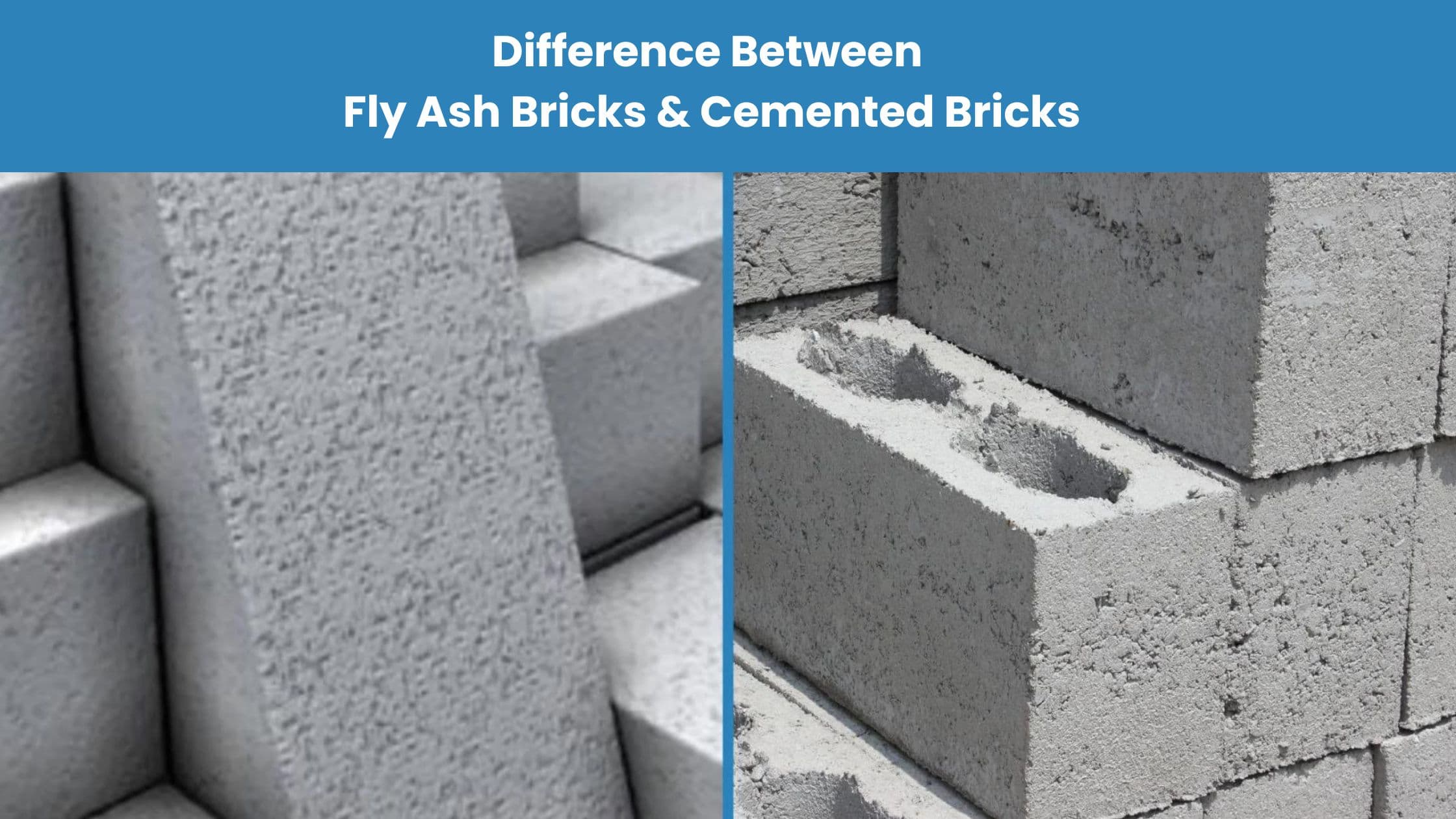
Crafting Durability: Build a Stronger Home with Cemented Bricks One of the ancient construction materials and methods, cemented bricks/concrete blocks have been used in building houses, floors, walls, fireplaces, walkways, and much more. But, are they suitable for construction? The proofs are around us everywhere. Age-old building, pathways, bridges, walls, and most of our surroundings has been made of cemented bricks. And, they are still intact standing tall with all their strength. Cemented bricks manufacturing began in 7000 BC in Southern Turkey. Woah! Still, Counting? You don’t need to. The earliest fire brick manufacturing began in 4400 BC in Neolithic China. Those bricks were made in red color as we usually see today. So, cemented bricks have been there for a very long time, older than most of the oldest civilizations. Why Choose Cemented Bricks? Cement bricks/concrete blocks are an exceptional choice when it comes to construction under various environmental conditions. Also, they are ideal options for building low-cost housing. Available in a variety of sizes, shapes, colors, and textures, a cemented brick comes in two types: Solid & Hollow. Solid cement bricks are sturdy and heavy while hollow bricks are lightweight and easy to manage. Hollow bricks can be filled with mortar in between to give extra strength to the construction. Benefits of Cemented Bricks As compared to clay, cemented bricks are cheaper and are much stronger than ordinary bricks. Here are some advantages of cement bricks/blocks: All Round Protection The cement bricks manufacturing is completed by drying bricks in a fire. So, naturally, they are fire retardants, which makes them heatproof too. In summers, cement brick absorbs all the heat during the day and releases them at night, keeping the home cool, while in winter, it keeps the house warmer. Humidity Proof Cement bricks absorb humidity a lot better than other building materials. This can result in minimizing the risk of dust and mildew keeping allergic reactions away in individuals. ALSO READ: Difference Between Fly Ash Bricks And Cemented Bricks Durability A building or construction made of cement bricks is much stronger and long-lasting. Walls made of cement bricks do not deteriorate faster compared to other construction materials. For years to come and go brick construction remains standing tall and intact even in extreme weather conditions without much replacement. Negligible Maintenance As compared to block construction, cement brick does not require regular maintenance. While block construction begins to fall apart if not maintained properly, cement brick construction on the other hand will remain in its existence. To highlight their looks block construction demands heavy funds, whereas cement brick can be left as it because it does not need to be painted or treated for durability or good looks. Sustainability Our houses are usually made with cement bricks and for years to come they don’t seem dangerous, instead, they are safe to live in. Reusable, long-lasting, and impervious to fire and pets. Especially, cement block construction doesn’t contain any contaminants and is weatherproof too. Soundproof Those who live near busy highways or in industrial regions may find soundproofing to be a blessing. Cement brick walls have a higher density than block buildings and are therefore more soundproof. Their effective acoustic insulation is tremendous assistance if the noise in your home keeps you from getting a good night’s rest. Eco-friendly Alternative Neither their development nor manufacture have any negative effects on or depletes the natural environment. They are constructed of Fly Ash, a byproduct of thermal power plants. The processing and production of red bricks, on the other hand, absorbs topsoil, depriving nature of its vital protective soil layer. The National Green Tribunal Act was founded primarily for that reason. Space Saver Builders and contractors frequently suggest concrete blocks because of how much overall room they save. The amount of space required for the building of walls increases when the width is decreased without compromising reliability. Brick walls are now being phased out, especially in large cities where there is fierce competition for available land. Conclusion It’s a toss-up between block and cement brick when it comes to material. Anyone who is preparing to start building must take into account the benefits of cement burnt bricks. But a lot depends on the spending limit, the builder’s circumstances, and the available space. Cement bricks are the best option if you want to make a one-time investment and don’t want to do much maintenance. Cement block construction is environmentally friendly too. Are you looking for a Cemented Bricks supplier in Rajasthan? Raj Mineral is the best option you can rely upon. Follow us on @rajmineral

Editor
m sand plant in Udaipur | m sand supplier in Udaipur | m sand dealer in Udaipur | m sand manufacturer in Udaipur | manufactured sand in Udaipur.

Blog

Manufactured Sand: Reshaping the Construction Industry

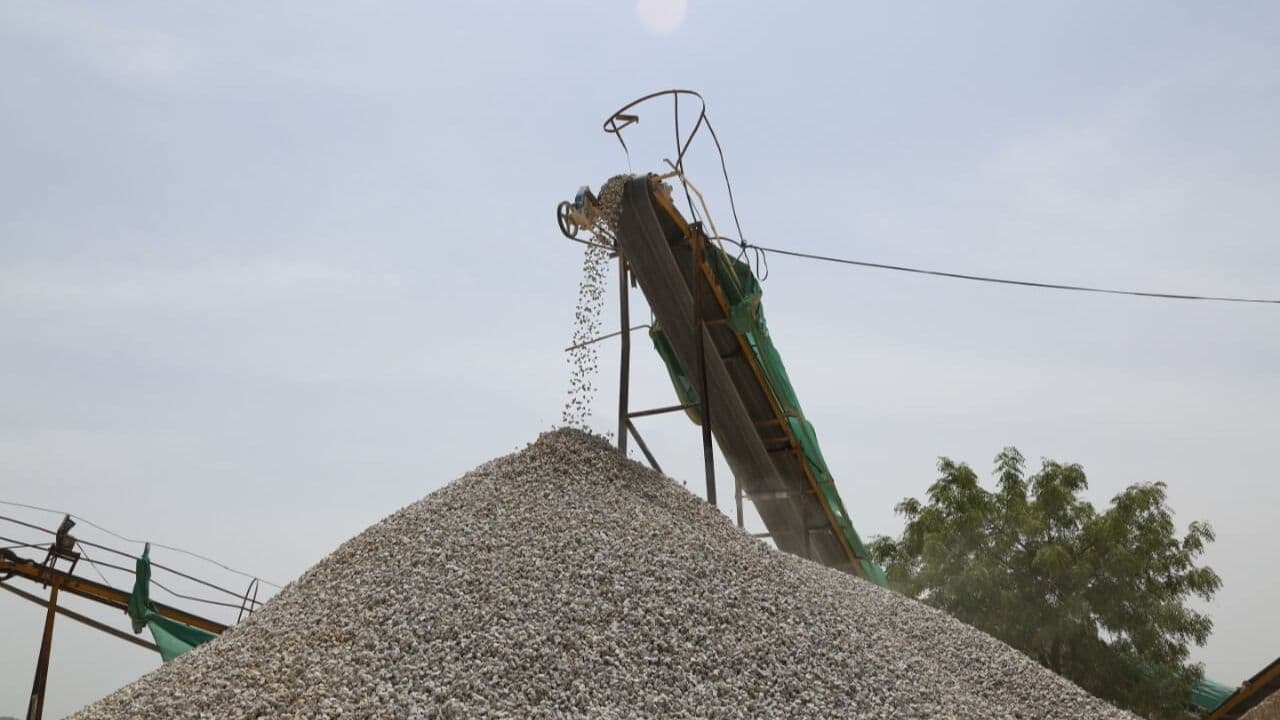
Manufactured Sand and gravel, often known as aggregates, are one of the most essential materials in today’s modern world. without them, we wouldn’t have the concrete or asphalt we need to while constructing buildings or infrastructure. Despite the fact that sand is the second most valuable natural resource after water in terms of volume, it is mostly unregulated in many locations, and rising demand could lead to a shortage in the future. The switch to artificial sand would allow for the long-term use of sand. River Sand v/s Manufactured Sand Artificial sand formed from rock or granite crushed in cement or concrete is not the same as M-sand. M sand differs from natural river sand in terms of its physical and mineralogical characteristics. Artificial sand can be a better substitute for river sand if it’s created with the correct machinery. Manufactured Sand in Udaipur, Rajasthan comes from a reputable source and has been thoroughly treated and tested to satisfy the requisite quality standards. Types of M sand Because of the modern technology and techniques used in its manufacture, Original M Sand is the best sand in India. Sand supplier in Rajasthan uses the world’s best VSI technology and German dry cycle air classifier technology. High-quality machinery ensures that international standards like IS, BS and ASTM are met. IS 383 (1970) zone II grading guarantees that the sand particles in M Sand are blended in the correct proportions and is unique in that it offers three separate grains of sand. M Sand is available in three different varieties and is used for a variety of purposes, including concrete, plastering, and brick or blockwork. Properties of Manufactured sand in Rajasthan  It should be completely safe. M sand is good for concrete because of its angular and cubical shape and abrasive texture. No hygroscopic salt should be present. There should be no clay or silt in the water. 3-4 percent clay silt is frequently allowed for practical reasons. M-sand has a specific gravity of 2.73, which varies depending on the parent rock.  Manufacturing Process of M Sand It’s made by smashing granite rocks. Crushers are used to break down coarse, hard rock deposits, and the crushed material is then divided into several sections. Sifting and washing are used to remove microscopic particles and impurities from the sand collected via this technique. The following is the fundamental technique for manufacturing M sand: Aggregates are crushed for extraction. Screening and sorting Air classification Storage and handling The M sand manufacturing process is divided into three stages: In the first stage, vertical shaft impact (VSI) crushers are used to smash stones of various sizes into aggregates. The material is fed into a Rotopactor, which crushes the aggregates into sand with the desired grain size. In the last stage, dust particles are removed by screening, and minute particles are removed by sand washing. Advantages of M sand in Rajasthan High strength Concrete M Sand has the desired shape, smooth texture, consistency, and fine gradation. As a result of these properties, the concrete structure obtains increased strength. Concrete’s durability As the sand is created from a certain type of granite, it possesses the physical and chemical properties needed in concrete structures. The special properties of manufactured sand allow structures to withstand harsh weather conditions while preventing corrosion of reinforcement steel. Workability Manufactured sand provides more workable concrete as it has a lower water-to-cement ratio. It improves concrete uniformity, increases strength, and reduces the time it takes to mix and place concrete, resulting in greater output. Improved Concrete quality M Sand contains fewer impurities like clay, dust, and other pollutants, which helps to produce higher-quality concrete. Segregation, bleeding, honeycombing, voids, and capillarity are reduced when using generated sand in a concrete building. Economical As there are no impurities, there is no waste. There isn’t as much adulteration. Moreover, M sand transportation expenses are 30% to 50% less than river sand transportation prices. Eco-friendly M sand eliminates the need for riverbed dredging to extract river sand, which has significant environmental repercussions such as water depletion and risk dam and bridge stability. Why Choose M sand in Rajasthan? Sandpits in remote areas: Licensed sandpits that produce the requisite quality of sand are frequently located in remote regions, resulting in significant transportation expenses. Silt and clay content of natural sand: Silt and clay content of natural sand is naturally high. If the sand is not appropriately processed to reduce clay and other impurities to acceptable levels, it can be harmful to screed and concrete. Demand for fine aggregates in construction is increasing: Sand/aggregates make up almost 65-80% of the volume of concrete and screed mixes. The UK market requires over 200 million tonnes of aggregates for various construction uses every year. Natural sand is becoming increasingly scarce: Due to indiscriminate sand mining and the continued depletion of natural aggregate supplies, which has resulted in the enactment of new environmental/land-use rules, making natural sand procurement harder and more expensive. In many regions of the world, sand dredging is heavily taxed or prohibited. Reduce the amount of low-value by-products discarded in quarries: Low-value aggregates produced as a by-product of rock crushing can be effectively used to produce a high-value product. Sustainable: M Sand is made in mining sites by crushing minerals or overburdens. The produced m sand can help meet the need for river sand for construction projects while also resolving the mine waste problem. Sand Supplier In Rajasthan generates local employment and aid in the efficient use of natural resources. If M Sand is generated sustainably, it can assist in reducing the amount of sand mining on riverbeds, which is harmful to the environment. Uses of M Sand Real-estate applications In the real estate industry, manufactured sand is advised. The IS 383 and IS 2116 regulations allow the crushed stone fine aggregate to be used in concrete and mortar mixes. It is recommended as a river sand substitute in creating concrete and mortar mixes that can be utilized in various concrete and masonry applications

Editor
m sand plant in Udaipur, m sand supplier in Udaipur, m sand dealer in Udaipur, m sand manufacturer in Udaipur, manufactured sand in Udaipur, artificial sand in Udaipur, manufactured sand supplier in Udaipur, manufactured sand dealer in Udaipur, m sand in Udaipur, m sand plant in Rajasthan, manufactured sand in rajasthan, M sand in rajasthan, Sand Supplier In Rajasthan, sand manufacture in rajasthan, manufactured sand supplier in rajasthan, manufactured sand dealer in rajasthan, m sand supplier in rajasthan, m sand dealer in rajasthan, m sand manufacturer in rajasthan

Blog

Building Your Dream Heaven: Here’s What you Need To Know

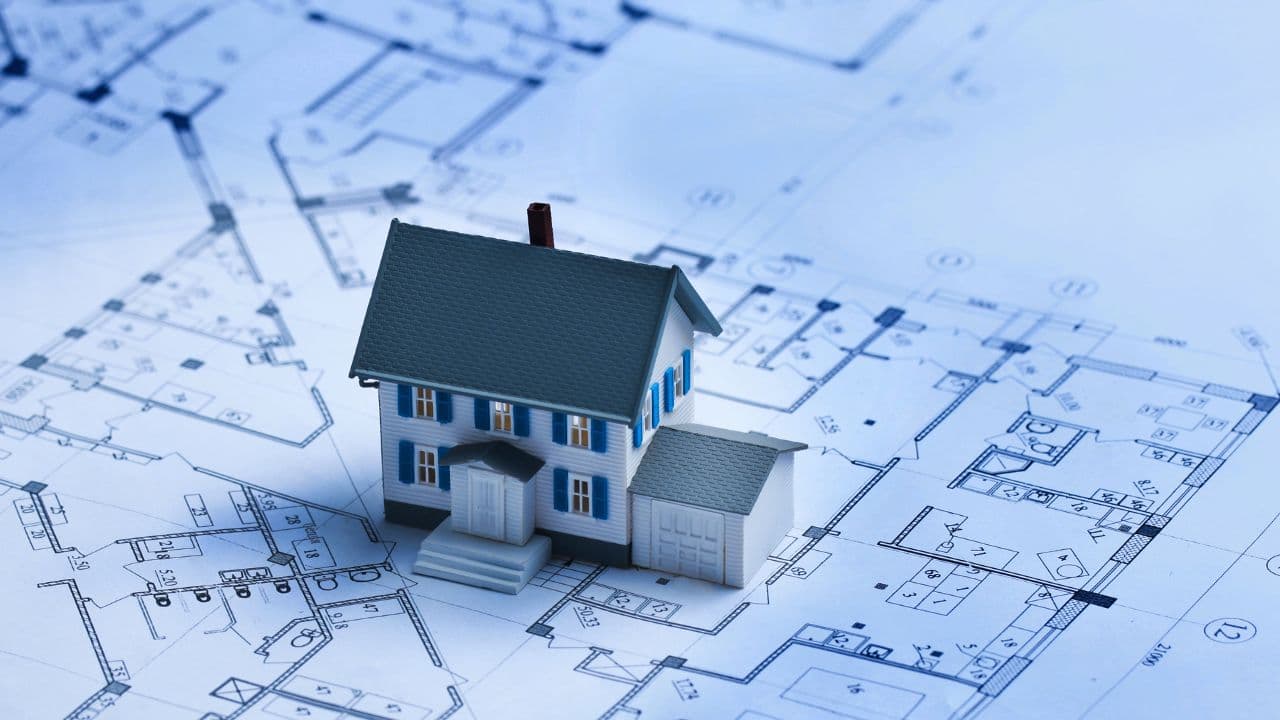
Building Your Dream Heaven Building a new home is an exciting and often daunting experience for you, but it is routine for your builder, which is why you must be an active participant in all phases of the house’s constructional changes to ensure you get “YOUR” dream home. Because there are so many decisions that “must be” taken by you, building your new home cannot be a passive exercise. If you are unwilling or unable to make these decisions, you will be forced to do so by your builder, and you risk your new home not turning out the way you imagined it or costing what you expected. Here are five things you should know and consider while building a new home: Get To Know Your Figures Before you begin construction on your new home, do some math to see if you can afford to create the home you desire. Most house plans include a cost-to-build calculator that will give you an accurate estimate of construction costs based on where you’re building (typically for a small price). The figures include construction costs, tax benefits, funds for a down payment and a slush fund, and other computations. Once you’ve determined that you can afford to build the house of your dreams, buy your house plan and go to the bank to get financing. Keep in mind that home building financing differs from traditional mortgage finance. To begin, you’ll need a home building line of credit to pay subcontractors and M-sand Supplier, construction material supplier that do labour and supply Building Materials like (M-sand, Cemented bricks, Crushed stone grits etc.). You’ll need a residential mortgage to pay off the construction line after your house is built. Examine Your Builder’s Track Record There are many builders out there, but not all of them are created equal. Find out which builders have the finest reputation by doing some research. Find out if a builder is respected for delivering great work and being on time, whether you look for information online or obtain referrals from relatives and friends. Select a construction system Based on the current technological trend, a variety of construction methods have been established that are more efficient, effective, and reduce construction time. You might utilise standard Manufactured sand, precast concrete, reinforced concrete, or wood panels, which are solid wood panels carved in a workshop using a numerical control to fit the client’s preferences. However, these are dependent on a number of circumstances, like the client’s budget, location, plot topography, weather, and so on. The most efficient construction system will be realised with the help of an architect. Where Can I Get Building Materials? Google is a huge help when it comes to locating practically anything on the planet. When it comes to finding the correct & best construction materials in Udaipur and their location, browse for reviews, feedback, and other information, or ask your friends and family for recommendations.  If the raw material is accessible, you can acquire it directly from the manufacturer or manufacturer’s sales depot; if not, you can contact M-sand manufacturers in Udaipur, distributors, whole-sellers, or retailers, for example. The price at which you purchase something will undoubtedly be determined by the person from whom you purchase it. Before making a decision, you should receive a proper quote from two or three sources. ALSO READ: Manufactured Sand: Reshaping The Construction Industry Who is the manufacturer? There are several ways to check the reputation of the Building Material Manufacturers in India you’re considering. Whether it’s a well-known established company or a newcomer, you’ll be able to determine their market reputation, including after-sales service and support. Environmentally Friendly Materials When building, try to leave as small of a carbon footprint as possible. Invest in solar panels as a long-term, energy-efficient power source. Also, before beginning construction, attempt to reduce wastage and rework by confirming all design, financial, and structural components of your home. Make judicious and best construction material selections. Use Artificial sand instead of river sand. Search For A Professional Builder Because constructing a home will cost a lot of money, you must be extra selective when selecting contractors. Choose dependable workers who can demonstrate their worth as home builders by displaying triumphs from previous projects. When looking for home builders, it’s also important to have ties with other construction specialists such as architects and engineers. This ensures that your home design has been well planned and will come to reality. Other clients’ recommendations are something you should think about because they know how they work. You can look at photographs of finished projects on official websites to check out some potential building services. It’s a lot easier to weigh your options this way. Always Remain Adaptable Circumstances change on a daily basis, which can also occur when building a home. The worst-case scenario is when the weather becomes so unpredictable that it disrupts buildings. Inspections are required at every stage of the construction process since they are a necessary aspect of the construction process. Because of the severe weather, there will be delays in obtaining permits, which will slow down the procedure. Furthermore, purchasing supplies may take longer, whereas the solution is to get more products that will last for two weeks. Find a temporary place to stay while you wait for your new house to arrive. Additional expenditures may be incurred as a result of all of the delays, which homeowners should consider. Let The Game Begin! You can inform the contractor to start the construction work after you’ve considered all of these factors. Before you start building a new house, hire an expert lawyer to draft a watertight contract for you. Consider all of your financial possibilities and make all of your payments using demand drafts or cheques so that you can keep track of all of your expenses. To avoid making any mistakes, physically supervise and oversee the construction activity. You can also hire an experienced and technically competent supervisor to oversee the construction process

Editor
paver blocks, interlocking paver blocks, paver blocks manufacturer in Udaipur, paver blocks in Udaipur, interlocking paver blocks in Udaipur, Paver Blocks in Rajasthan, Interlocking Paver Blocks in Rajasthan.

Blog

Advantages of Interlocking Paver Blocks

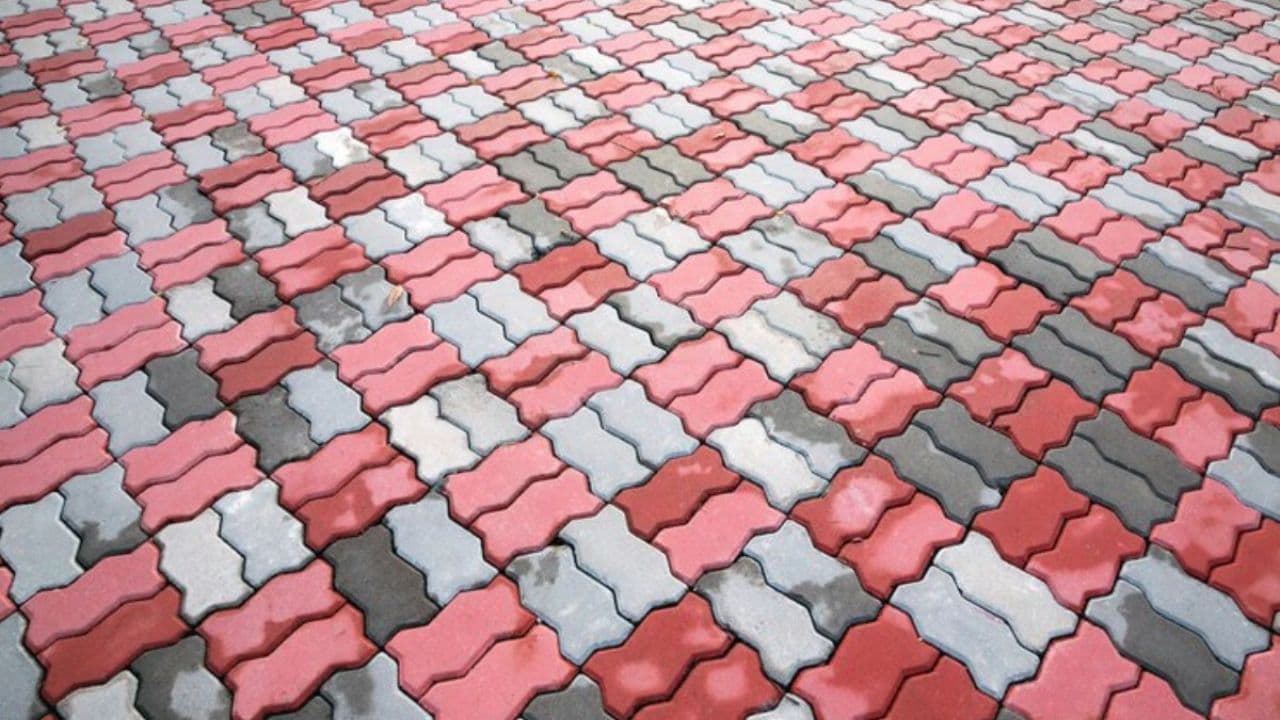
Advantages of Interlocking Paver Blocks We have all been using concrete pavement surfaces constructed with asphalt, tar, crushed stones, and interlocking paver blocks, etc. Centuries-old pavement construction has helped homeowners keep the surface as smooth as possible while making it easy to park heavy vehicles on the roads. Parking spaces are made a lot easier and less hassle-free by constructing pavements on the side of the road. But while the home decor and construction materials are transitioning, why not seek a more concrete pavement building block? Yes, we are talking about Interlocking paver blocks. Real Estate is turning its table for good, specifically in construction. While Udaipur has been considered the current booming precinct for newly-constructed houses, the builders are looking for more sustainable building materials. That’s why most homeowners look for Interlocking paver blocks in Udaipur. The exterior section of the house or a building is equally crucial along with the interior, and the pivot point is the pavement. How are you going to park your vehicles? It does not matter whether you live in a bungalow or an independent-floor home; the pavement is a must. Besides, every nation’s roadway system includes a pavement to make it easier for commuters to travel, park vehicles, etc. Hence, it is crucial to scout for sustainable pavement options by approving the suitable building material, and interlocking paver block manufacturers in Rajasthan assist the real estate sector. This article will give you all the right reasons to ditch the age-old concrete or stone-crushed pavement and look for interlocking paver blocks suppliers in Rajasthan to opt for a robust and durable pavement structure. What are Interlocking Paver Blocks? Block Paving is a brand new material used for constructing pavements by several construction companies. It is made up of different materials such as clay, recycled plastic, concrete stone, pebbles, etc. However, concrete and clay paver blocks are more prominently used in commercial pavement building and residential space pavement construction. Over the years, these paver blocks have garnered more attention from the manufacturers, which is why there has been a surge in the number of interlocking paver block manufacturers in Rajasthan. However, Interlocking paver blocks increased sales due to their robustness and more aesthetically pleasing look. Moreover, there was a crucial requirement of pavement construction in commercial areas that could become a solid support for heavy vehicles. Hence, segmented blocks became popular, and interlocking paver blocks came into being. In India, Interlocking concrete or clay paver blocks are a thing of the past as they were familiarised in the construction market at least a decade ago. These interlocking paver blocks are laid on much compact bedding material, and the joints are filled with fine materials so that they are appropriately connected with each other. Initially, there was the popularity of non-interlocking and partially interlocking blocks, but eventually, it came down to interlocking paver blocks that formed a much more concrete base for pavement that supported the vehicles and commuters during the days when it rained heavily. Let’s look through some of the added advantages of selecting interlocking paver blocks in Udaipur. Advantages of Choosing Interlocking Paver Blocks over other Pavement Material There are several reasons that the interlocking paver blocks are more famous and preferred by most construction companies and the sole reason is their suitability in areas where conventional concrete pavement material could not be used. Let’s look through these advantages to figure out their potential. Flexibility It is a better choice to be environment-friendly and flexible in areas where traditional pavement materials show cracks. It could further lead to any mishap when a heavy vehicle parks outside, taking support of the pavement. Concrete slabs are not flexible, and the stones inside keep shrinking with the passing time. Hence, any material that endorses longevity and the ability to bear high temperatures is a better choice in commercial or residential spaces. Easy To Maintain We are more attracted to things that require less effort and cost, and construction materials are no different. When it comes to interlocking paver blocks, they are a better choice because, unlike concrete and asphalt pavement, you would not have to polish them as they appear dull very soon. You would not want the exterior of your new house to start looking dull and damaged suddenly, and the same also applies to the pavements. The best you could do to clean your pavement or driveway is wash it regularly with a garden hose, and that’s about it. Sounds simple, right! Choosing interlocking paver blocks would make your lives simple too. Pretty Much Durable While you are spending so much to construct your home, it is worthwhile to choose something solid for your pavement. Interlocking paver blocks are the most durable pavement material in the construction industry. There is a reason they repeatedly select commercial spaces, which is one of them. Be it a vehicle load, pedestrian traffic, or heavy vehicle traffic; they would stand still for long. They come with a durability of 20 years which is pretty long. It is majorly preferred in airports because will you look at aircraft weight? Pretty Easy To Install This is the most important part, their installation. Usually, making a cemented or concrete slab pavement takes time. However, pave blockers are pretty much easy and quick to install. The builders use no heavy equipment or machinery to install them; neither is a mortar requirement. As soon as it is installed, you can start walking on it. Additionally, they do not let rainwater accumulate over the surface, and hence there is a reduction of chances that someone or something slips from the surface. Versatile & Aesthetically Pleasing Commercial spaces and homes all have the right to look neat and appealing. While concrete slabs would start looking dull and dirty in a smaller time frame, Interlocking blocks come in different texture, sizes, color, and shape that you would find it hard to choose amongst them. They look good and make the pavement look good too. Different

Editor
Best Construction Materials In Udaipur

Blog

Best Construction Materials in Udaipur

Construction materials has become a key part of modern life. If we look around us, we will find new construction happening every now then whether it be the making of roads, bridges, or buildings for your home or your workspace. It is mostly once-in-a-lifetime work, indeed you would want it to be perfect in every way possible, whether it be the design or the materials used in its making. Construction takes a lot of time and it would be rather disappointing for you to know that the only reason your dream building or the flooring in which you spent so much time and the amount has fallen apart is just that the construction materials were not appropriate. Hence the most necessary part in the process of construction is the raw materials being used as they determine the quality and durability of your buildings. There are various types of construction materials, but which one you should purchase depends on your requirements. Raj Minerals provides the best construction materials in Udaipur. Here we have listed some of the best construction materials: Manufactured sand in Udaipur Manufactured sand in Udaipur has gained popularity in construction materials and can also be termed as one of the best construction materials. It is important to note that sand is one of the most essential parts of the construction process and that river sand is considered the best type of sand for construction purposes. But since it is a natural resource, it is getting reduced by excessive use at a high rate. And the river sand has been banned many times from being used in parts of India. Here enters the alternative and rescuer, Manufactured sand. M sand is artificial sand which is very efficient as well. This sand comes with a lot of benefits as well, like being economic and eco-friendly. But what exactly has led to the popularity of manufactured sand in Udaipur? The construction rate in Udaipur has also seemingly increased in the current times and since there is a shortage of the river sand, the m-sand has taken over the market successfully. This sand has a lot of advantages Hence in 1990, Raj Minerals brought the M-sand manufacture in Rajasthan in order to achieve the demand for sand. We have always focused on the quality of the materials as our goal is to satisfy the demands of our clients. With this same ideology to provide the best quality of products, we stand as one of the best m sand manufacturer in Udaipur/Rajasthan. Pavement Blocks The pavement blocks are used for surfacing over the roads, flooring, etc. These blocks are manufactured in vivid colors, the shades may vary and depend on the company manufacturing and/or selling these blocks. As these blocks are popular in Udaipur, there are many paver blocks dealers in Udaipur. These blocks create a very beautiful and eye-pleasing mosaic on the flooring. These blocks may not look durable or strong enough, but they are indeed durable and strong enough to carry a heavy load. There are two kinds of paver blocks, one is made from concrete and the other type is made from clay. Over time, Raj Minerals has turned out to be one of the best pavement block dealers in Udaipur. The blocks manufactured and sold by us are made from the best quality raw material. These blocks also have a major quality and plus point of having the system of interlocking, this function makes them durable, attractive looking, and easy to install. We are also recognized as the best interlock bricks manufacturer as the bricks are made with such proficiency that to install them mortar is not required and they aren’t even slippery. Curve Stones It is known by all how the stones have been a part of the construction industry for a very long time. At the beginning of the time as well, stones were the main objects used in the construction of anything, and have not lost significance even in recent times. There are no questions on the durability or the strength of the stones, and they also give a very finished look. Curve stones are a type of stone used in construction. Curve stone in Rajasthan is used widely. These stones are painted upon so their visibility in the foggy or rainy atmosphere does not decrease. Though there are many curve stone dealers in Udaipur, we have stood as one of the best, reliable, and trusted ones as we provide the quality. Cemented Bricks The cemented bricks are made from different types of raw materials like fly ash, regular cement, sand, or stone dust. They are mainly of a greyish color and there are various types of cement bricks. The cemented bricks are quite an indispensable part of the construction materials. They come with a lot of qualities which makes them a good choice to select. They are made with cement as the base which makes them strong and durable. These come in various textures, colors, shapes, and sizes. Their strength increases over time and is strong enough to hold the weight of heavy items. They can provide protection from heat and fire. Cemented bricks are definitely a better choice than other types of bricks. We Care Though there are a lot of construction materials and many dealers for the same as well. Raj Minerals is a well-known and trusted dealer in construction materials. We believe in the best quality, eco-friendly and strong materials for your dream homes. Because your dream homes are not just your dreams but ours as well. You are just a call away to get the best construction materials in Udaipur because together we will fulfill your desired building with our trusted materials. When you are choosing Raj Minerals, you are choosing the best! Contact us now.

Editor
advantages of fly ash bricks, fly ash cemented bricks

Blog

Advantages Of Fly Ash Bricks

Construction of a building or a home requires a lot of planning and utilization of robust and everlasting material. As the engineer and builders begin laying out the plan, they would first need to identify the best brick in the market to create the base for the walls of the building/home. Hence, developers now trust the advantages of Fly Ash Bricks in Udaipur over the other types of brick. Ash Bricks have garnered much attention in recent years; still, when choosing between Fly ash Bricks vs Red Bricks, there has been an age-long debate amongst the builders and developers. Many are still favoring the quality of red brick and feel that the ancient techniques are better. However, these developers fail to realize that new methods must be applied with time, especially when they are into the business of developing homes. When selecting a construction company, customers rely on the developer to use the best substance and give life to their project. It is one significant aspect behind a developer company earning goodwill in the market. They would know all about the recent trends and quality of the building material newly introduced, and when it comes to selecting bricks, they should probably measure the advantages of Ash Block Bricks. Before counting on the benefits of Fly Ash Bricks, both the client and the developers need to comprehend what these new building blocks are and what they consist of? What are Fly Ash Bricks? Fly Ash Bricks are a different form of building block usually utilized in developing multi-story apartments in several parts of India. They are a perfect example of how to use waste to create something worth an enormous amount. It is manufactured by adding thermal plant residues such as ash from burnt coal by replacing 10 to 20% of actual cement and other substances such as river sand and stone aggregates. All of these are mixed, giving them a rectangular shape similar to the red clay bricks. According to the BIS Standards, Ash Block Bricks are entirely reliable and durable over conventional red bricks. Moreover, as Q. Greencon Pvt Ltd points out, the annual generation of fly ash is expected to be around 200 million tonnes by the end of India’s 12th five-year plan and approximately 500 million tonnes by 2032. Advantages of Fly Ash Bricks While we are discussing the benefits of Fly Ash Bricks, it is a must to focus on the cities that are the new emerging site of development projects. Udaipur is amongst those growing and expanding locations in India where people prefer to buy affordable plots. Property dealers are looking for lands to develop builder floors since they are the new lucrative profit-optimizing option. Hence, they give an upper hand to the construction companies employing fly ash cemented bricks in Udaipur to create attractive and durable homes and buildings. There are several reasons and benefits to choosing fly ash bricks as building blocks for homes and other projects. Let’s look into some of them. Ash Bricks are better in Appearance The best part about these building blocks is their appearance, wherein they do not require additional plastering, unlike red bricks, which need a separate layer of cement mortar. They are not visible to the bare eyes after the construction has been completed. Instead, one could directly use the Plaster of Paris and apply paint. Since there is less requirement for plastering the ash bricks, it becomes a cost-efficient building material, saving extra mortar. Fly Ash Bricks Cost As we discussed above, fly ash bricks require a meager amount of plastering. It is comparatively cost-efficient in monetary terms, and the amount of space it occupies is also less than red bricks. So a developer would require relatively few laborers to complete the construction. A single fly ash brick costs Rs 4-6; on the other hand, a red brick costs Rs 5-10. Hence the choice is self-evident. Easy Availability Even though these building blocks are available near thermal power plants, the recent rise in production and utilization for all the major developmental projects have made them easily accessible. All the major cities supply these bricks, especially the dealers of fly ash bricks in Udaipur, who have impeccable quality and standards maintained to provide the construction companies with the best building material. Strength and Durability are better Even though fly ash bricks consist of environmentally friendly substances, they do not easily break. They have a comparative strength of 100 Kg/cm2. When applying Plaster of Paris, these bricks do not suffer from damages or visible cracks, and their durability makes them absorb less water. Overall, if these bricks are used to develop houses, there would be low chances of dampness on the wall. Their thermal properties would keep the house cooler, considering the scorching heat outside during summers in India. They are Light Weight Bricks Red Clay Brick is usually very heavy, and it is challenging for the laborers to carry them during the construction process. However, fly ash bricks are comparatively light in weight, and that’s why they are employed to construct multi-story buildings and apartments. When the height of the building increases, a heavier brick will cause tension on the foundational base, but if the building block is lighter, there is low tension, and the ground remains robust. It also reduces the chance that the building would collapse in times of earthquake. Fire and Vermin Resistant Red Clay Bricks are manufactured by baking them in a fire, making them, not fire-resistant building blocks. However, the organic production of fly ash bricks makes them relatively more fire and vermin attack-resistant. So one would not have to worry about the chances of the bricks turning hollow from the inside due to vermin eating them. More environment Friendly and Sustainable Option In our blog post, we repeatedly mentioned that fly ash bricks are a more environment-friendly option. What could be better than choosing a renewable alternative to make homes and buildings in a city? The availability of ash

admin
advantages of m sand || Difference Between (M Sand) Artificial & Natural Sand || Uses of Manufactured Sand (M Sand) || Properties of Manufactured Sand (M Sand)

Blog

Properties and Advantages of M Sand (Manufactured Sand)

What is M Sand & Advantages of Manufactured Sand? Manufactured sand (m sand) likewise called artificial sand or crushed sand, formation of artificial sand is done by pulverizing rocks, stones, or larger aggregates into small size particles in the quarry. In recent years, with the reduction of natural sand, the market for artificial sand shows incredible potential, imperativeness and has many advantages of m sand also. Furthermore, the tremendous interest of the construction and development industry has advanced the improvement of the artificial sand market rapidly. Difference Between (M Sand) Artificial & Natural Sand: Artificial Sand is a sort of sand material delivered by sand-production gear, for example, an impact crusher. Compared with regular river sand, artificial sand has the qualities of sharp edges, many needles, and chips, and is rough. River/Natural Sand is straightforwardly exhumed from the stream, so it will be blended in with little rocks and fine sand. These little stones are washed by the stream for quite a while, and the edges and corners are round. Why Manufactured Sand (M Sand)? These days, wellsprings of normal sand, for example, river sand, pit sand, stream sand, ocean sand, and different sands for use as a total in development are turning out to be scant and depleted because of natural debasement. The driving requirement for elective totals in development has given the source to Manufactured Sand. One more reason for the utilization of Manufactured sand is its dynamic accessibility, diminishing transport distances and limiting contamination. Manufactured Sand is a superior substitute to river sand as it is created by machines an appropriate extent with molecule size. Uses of Manufactured Sand (M Sand) Artificial sand can be utilized for a wide range of development work, Concreting, Plastering, etc., and is a better substitute to stream sand. Properties of Manufactured Sand (M Sand) The physical and compound properties in Manufactured Sand are adjusted and can withstand any brutal climatic conditions. It can conquer the imperfections in concrete like segregation, honeycombing, consumption of support steel, voids, capillary, draining, and so forth. Higher Strength Manufactured Sand has a smooth surface and is liberated from stretched and flaky particles as it is formed by utilizing VSI moulding machines. The workspace-formed particles give more prominent toughness, higher strength, and long life to the concrete. More prominent Workability The cubical shape and legitimate degree (molecule ought to be from 150 microns to 4.75 mm inappropriate extent) give great adaptability to mortar creating fantastic functionality. Diminished Construction Defects The use of Manufactured sand in concrete reduces voids, bleeding, segregation, etc., as it has an ideal beginning and last setting time with astounding fineness properties. Economy As the Manufactured Sand doesn’t contain contaminants like river sand, the measure of wastage is nil. The transportation cost additionally turns out to be less as it is promptly accessible. In general, Manufactured Sand is 30% less expensive than river sand. Eco-accommodating The use of Manufactured Sand in supplanting with river sand keeps away from ecological debacles like groundwater consumption, water shortage, a danger to normal life, and so forth. Growing concern for environmental protection, Manufactured Sand is the best option in contrast to river sand. ALSO READ: Is Manufactured sand equal to natural sand? Advantages of M Sand Manufactured Sand has a higher Fineness Modulus Index contrasted with normal stream sand, which gives great functionality for concrete. Manufactured sand is liberated from slit and clay particles which offer better-scraped area opposition, higher unit weight, and lower porousness. Less problematic to the climate, as it decreases sand mining from river beds. Perfect grading and cubical shape of Manufactured Sand invigorates high and incredible strength to concrete. More financially savvy than river sand because of low transportation costs and consistent inaccessibility. Manufactured Sand (M Sand) Vs Natural Sand – A Brief Manufactured Sand Natural Sand Made in production lines under management Normally accessible at river beds Dampness is available just in water-washed Manufactured Sand Moisture is caught in the middle of the particles which is useful for concrete purposes. Higher concrete strength when contrasted with river sand Lower concrete strength when contrasted and manufactured sand Sand particles of Manufactured sand are cubically formed. This makes holding solid The extreme presence of flaky, sharp, and precise grains makes holding feeble. Residue content is zero Residue content is in the middle of 3-20% Marine Products Is 0% Marine Products (shells, and so on) 2-4% No larger than average materials as it is well-graded and manufactured under the control 6-10% of larger than average materials (stones) which ought to be sieved Better quality control since made in a controlled climate No power over quality since it is naturally occurring. The same stream bed sand can have contrasts in sediment substance. Eco-accommodating items, it makes less harmful for the climate when compared with river sand. Harmful to the climate. Eco awkward nature diminishes groundwater levels and river water gets evaporated. Classification based on Sieve Analysis Rock in Sand The sand which is going through the 7.62 mm strainer is called gravelly sand. This kind of Sand is utilized in making concrete. Coarse Sand The sand which is going through the 3.175 mm strainer is called coarse sand. This size of sand is for the most part utilized for workmanship works. Pit sand is for the most part coarse in nature. Fine Sand Sand going through the 1.5875 mm sifter is called fine sand. Fine sand is generally utilized in putting works for better completion. Arrangement Dependent on Grain Size Based on grain size sand is classified into very fine sand, fine sand, medium sand, coarse sand, and very coarse sand the grain sizes of various kinds of sand are specified beneath: Types of Manufactured Sand Grain Size Very Fine Sand 0.0625mm to 0.125mm Fine Sand 0.125mm to 0.25mm Medium Sand 0.25mm to 0.50mm Coarse Sand 0.50mm to 1mm Very Coarse Sand 1mm to 3mm Conclusion Examining the current situation, for example, a lack of river sand, tremendous slip in the nature of river sand, significant expenses,

admin
Call Now