Raj Mineral Logo
HomeAbout Us
Plants & ProductsBlogsContact Us
Blogs

Articles and Updates

Insights from Raj Mineral on products, construction materials, and practical site use.

Comparison of Paver Blocks and Concrete

Blog

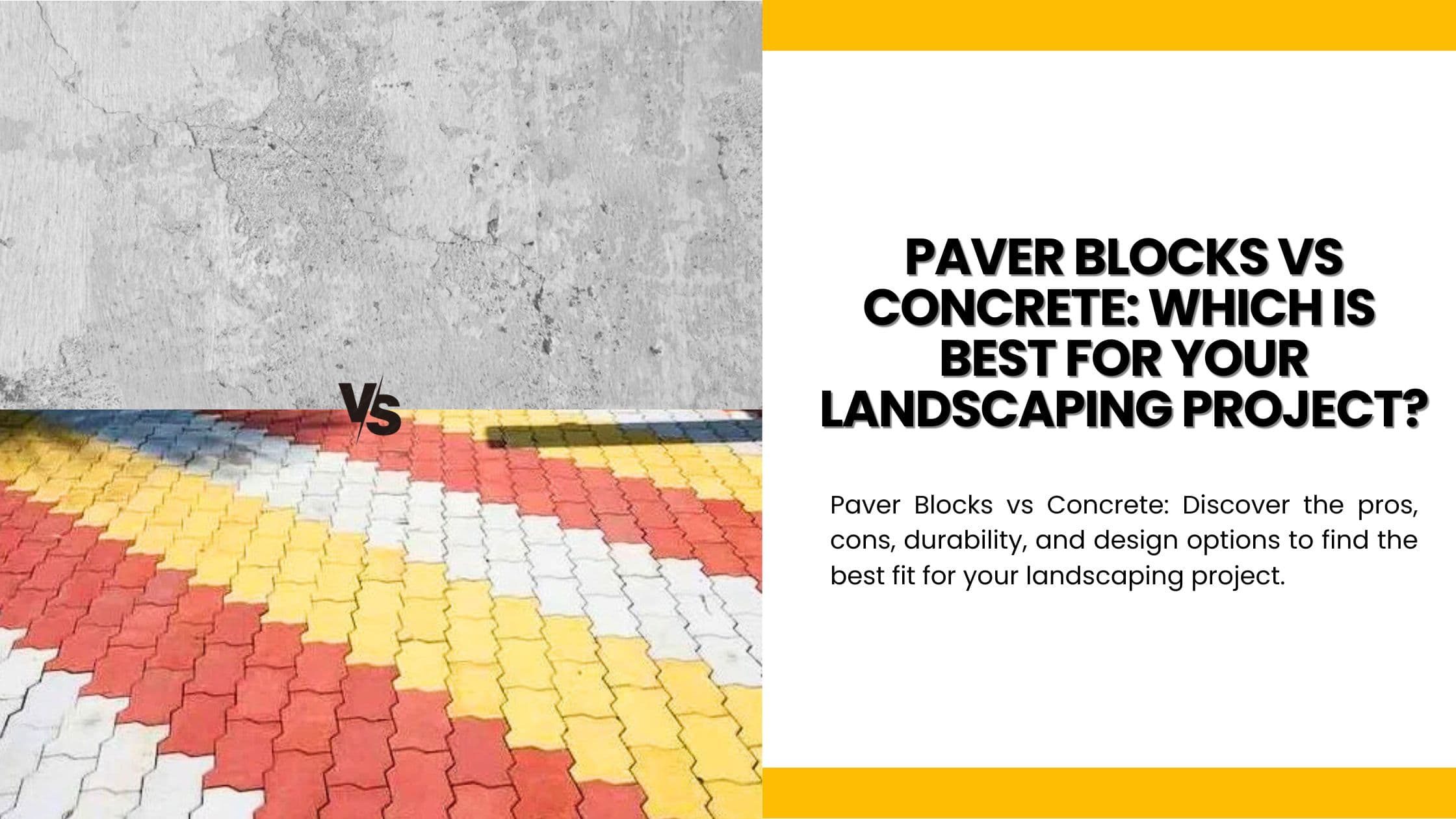
Paver Blocks vs Concrete: Which is Best for Your Landscaping Project?

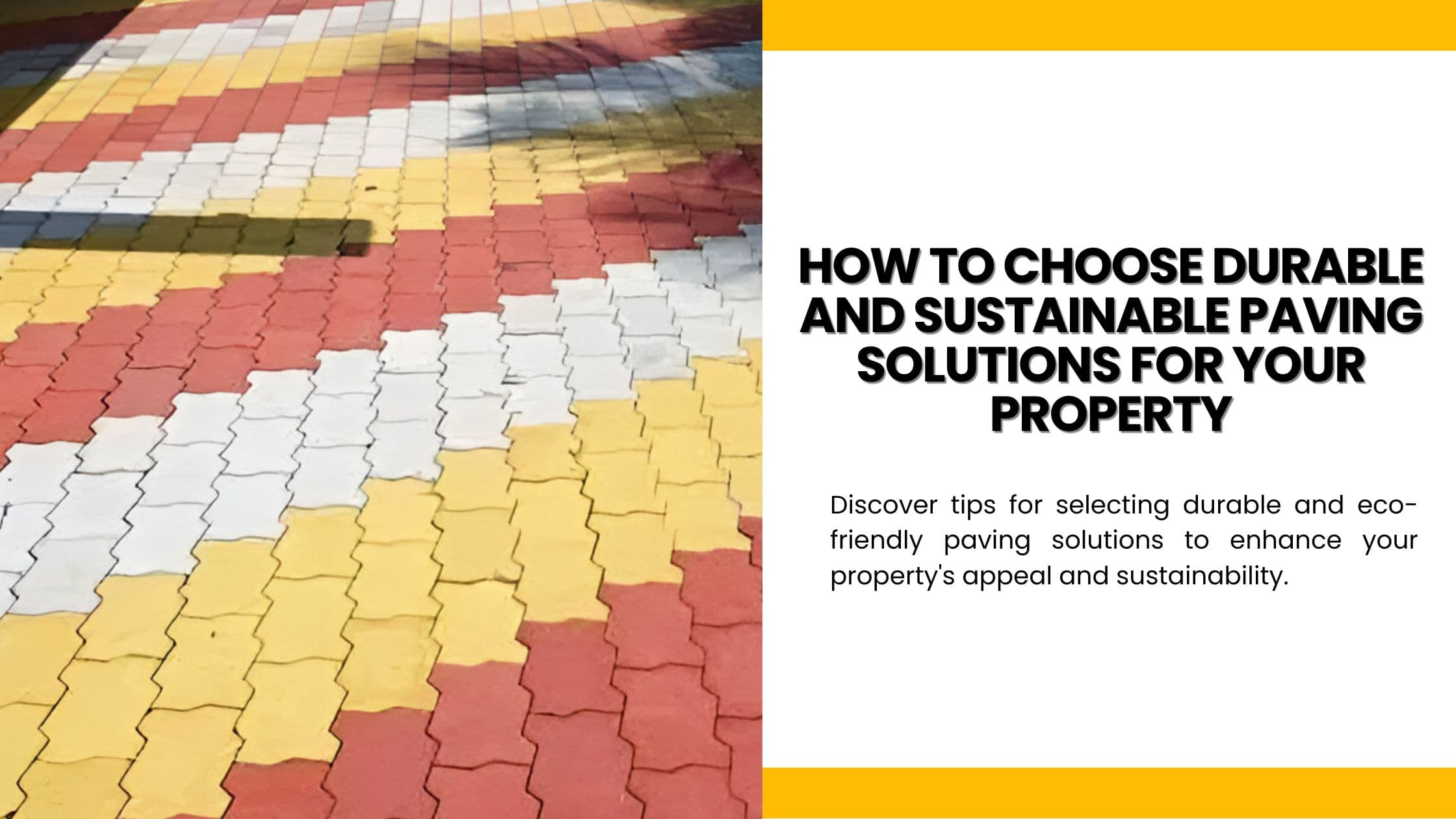
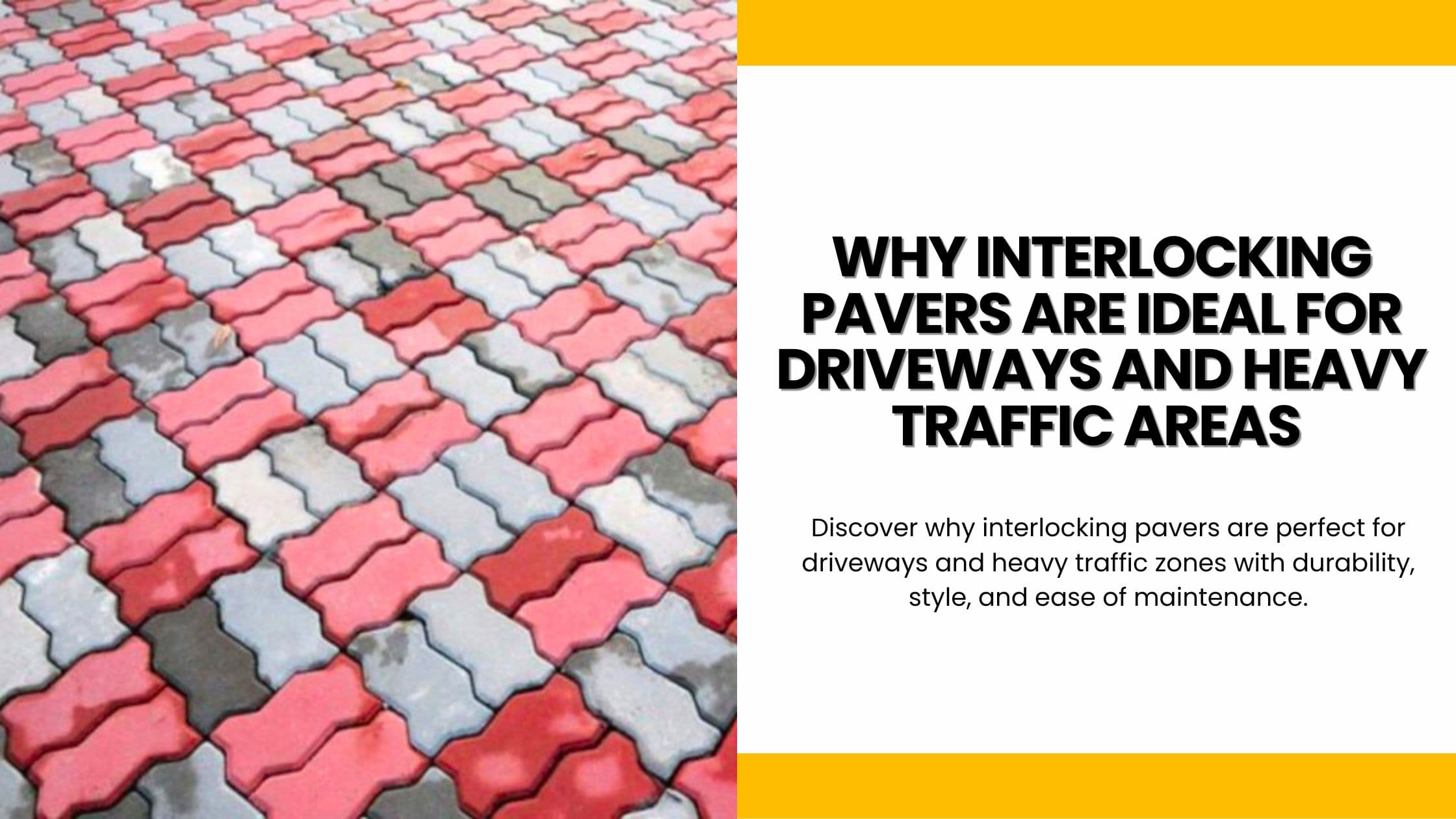
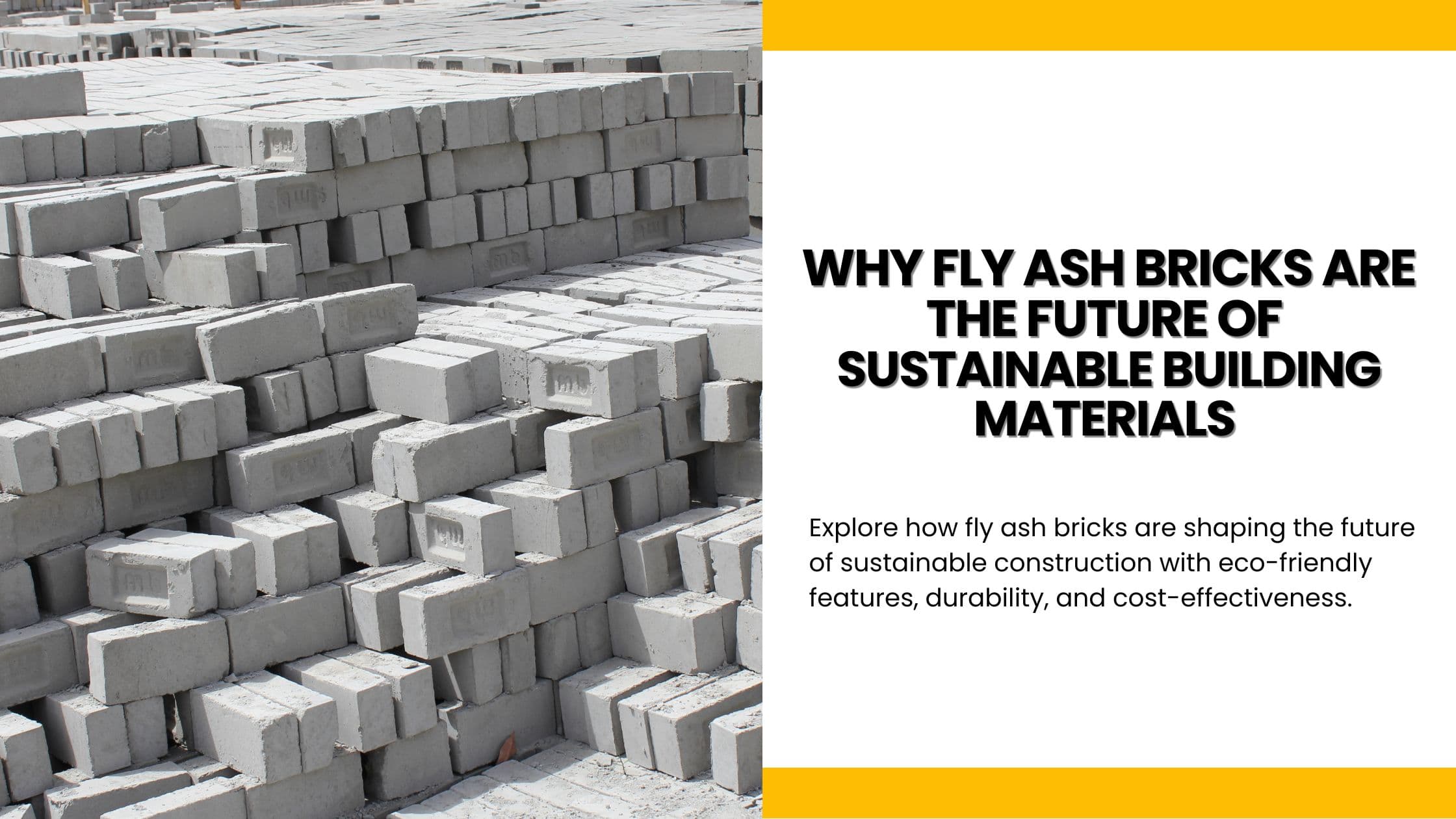
Landscaping plays a significant role in enhancing the beauty and functionality of outdoor spaces, whether it’s a cozy patio, an elegant driveway, or a garden pathway. Choosing the right materials for your landscaping project is essential to ensure durability, aesthetics, and cost-effectiveness. Two popular options for paving are paver blocks and concrete. In this blog, we’ll dive into the characteristics of both materials and compare them to help you decide which one is the best for your project. What Are Paver Blocks? Paver blocks are individual units made from materials like concrete, clay, or stone, designed to interlock and form a solid, even surface. They come in a variety of shapes, sizes, and colors, offering endless possibilities for creative designs. One of the most common types is interlocking blocks, which fit together like puzzle pieces, ensuring stability without the need for mortar. This makes them an ideal choice for driveways, patios, walkways, and garden paths. The ability to choose from different colors and patterns adds to the versatility of paver blocks, making them a popular choice for creating decorative and functional outdoor spaces. Some key benefits of paver blocks include: Aesthetic Appeal: The wide range of colors, shapes, and patterns makes them suitable for personalized designs. Durability: Paver blocks can withstand heavy traffic and resist cracking, especially in areas where the ground may shift or settle. Easy Replacement: If a paver block becomes damaged, it’s easy to replace individual blocks without disturbing the entire surface. Paver blocks are often preferred for interlocking pavers driveways, decorative garden paths, and outdoor patios due to their strong visual appeal and flexibility in design. What is Concrete? Concrete is a composite material made from cement, sand, gravel, and water. It’s one of the most commonly used construction materials due to its strength and versatility. In landscaping, concrete is primarily used for slabs, sidewalks, and even some decorative outdoor features like stamped concrete patios. Concrete has several advantages, such as: Durability: Concrete is highly durable and can withstand heavy loads and harsh weather conditions. Low Maintenance: Once installed, concrete requires very little maintenance. It doesn’t require frequent cleaning or repairs. Customizable Finishes: While concrete slabs are often thought of as plain, they can be customized using stains, stamps, and finishes to create visually appealing designs. In landscaping, concrete is a popular choice for large areas, like foundations, pathways, and driveways, where strength and longevity are priorities. Comparison of Paver Blocks and Concrete When deciding between paver blocks and concrete for your landscaping project, it’s essential to compare them across several factors: Durability Both materials are highly durable, but they perform differently under specific conditions. Paver blocks are better suited to handle ground shifts and movement because of their interlocking design, which prevents cracking. Concrete, while strong, can be prone to cracking in areas with frequent freeze-thaw cycles or shifting soil. However, concrete can last for decades with minimal maintenance, making it a long-term option. Aesthetics In terms of aesthetics, paver blocks offer a significant advantage. They come in various shapes, sizes, colors, and patterns, allowing for creative freedom in landscape design. Whether you want a rustic look or a modern, sleek design, paver blocks can cater to your needs. On the other hand, while concrete can be stained or stamped to mimic different textures and colors, its options are still more limited compared to paver blocks. Installation Process The installation of paver blocks typically requires more time and effort than pouring concrete. Paver blocks need to be individually placed and interlocked, which can be labor-intensive. However, this also makes paver block installation a feasible DIY project for those with experience in landscaping. Concrete, in contrast, is poured in one go, making the process faster, especially for large areas. However, it’s generally not considered a DIY-friendly option due to the need for precise leveling and finishing. Cost Analysis In terms of initial costs, paver blocks tend to be more expensive than concrete due to the labor-intensive installation process. However, paver blocks often pay off in the long run as they require less maintenance and can be repaired by replacing individual units rather than the entire surface. Concrete, while cheaper upfront, may incur higher costs over time if cracks or damage occur and need to be fixed. Therefore, while concrete offers a lower initial cost, paver blocks provide greater long-term value due to ease of maintenance and replacement. Best Use Cases for Paver Blocks and Concrete When to Choose Paver Blocks Paver blocks are an excellent choice for projects that require customizable designs and flexibility. They are ideal for smaller areas like patios, walkways, and driveways, where aesthetics and durability are equally important. Their ability to handle ground shifts without cracking makes them perfect for areas with frequent freeze-thaw cycles or unstable soil. Interlocking pavers driveways are particularly popular because of their strength and aesthetic appeal. When to Choose Concrete Concrete is best suited for large areas where quick installation is a priority. If you need a durable and low-maintenance solution for a foundation, large patio, or driveway, concrete is a great option. Its ability to withstand heavy loads makes it a practical choice for commercial spaces or areas with significant foot traffic. Choosing the Right Pavers for Your Outdoor Space Selecting the right pavers for your outdoor area is crucial for enhancing durability, aesthetics, and functionality. The ideal paver depends on factors such as climate, load-bearing capacity, maintenance, and design preferences. Here’s a breakdown of the types of pavers and their best use for houses: 1. Types of Pavers for Outdoor Spaces Concrete Pavers: Affordable, durable, and available in multiple colors and patterns. Ideal for driveways, patios, and pathways. Brick Pavers: Made from clay, these offer a classic and timeless appeal. Best for garden walkways and rustic-themed patios. Stone Pavers: Natural stones like granite, limestone, and sandstone provide an elegant and high-end look. Perfect for luxury patios, pool decks, and courtyards. Interlocking Pavers: Designed to fit together like a puzzle, making them durable and resistant

Editor
Construction aggregate for Building Project

Blog

How to Select the Best Aggregate for Your Building Project

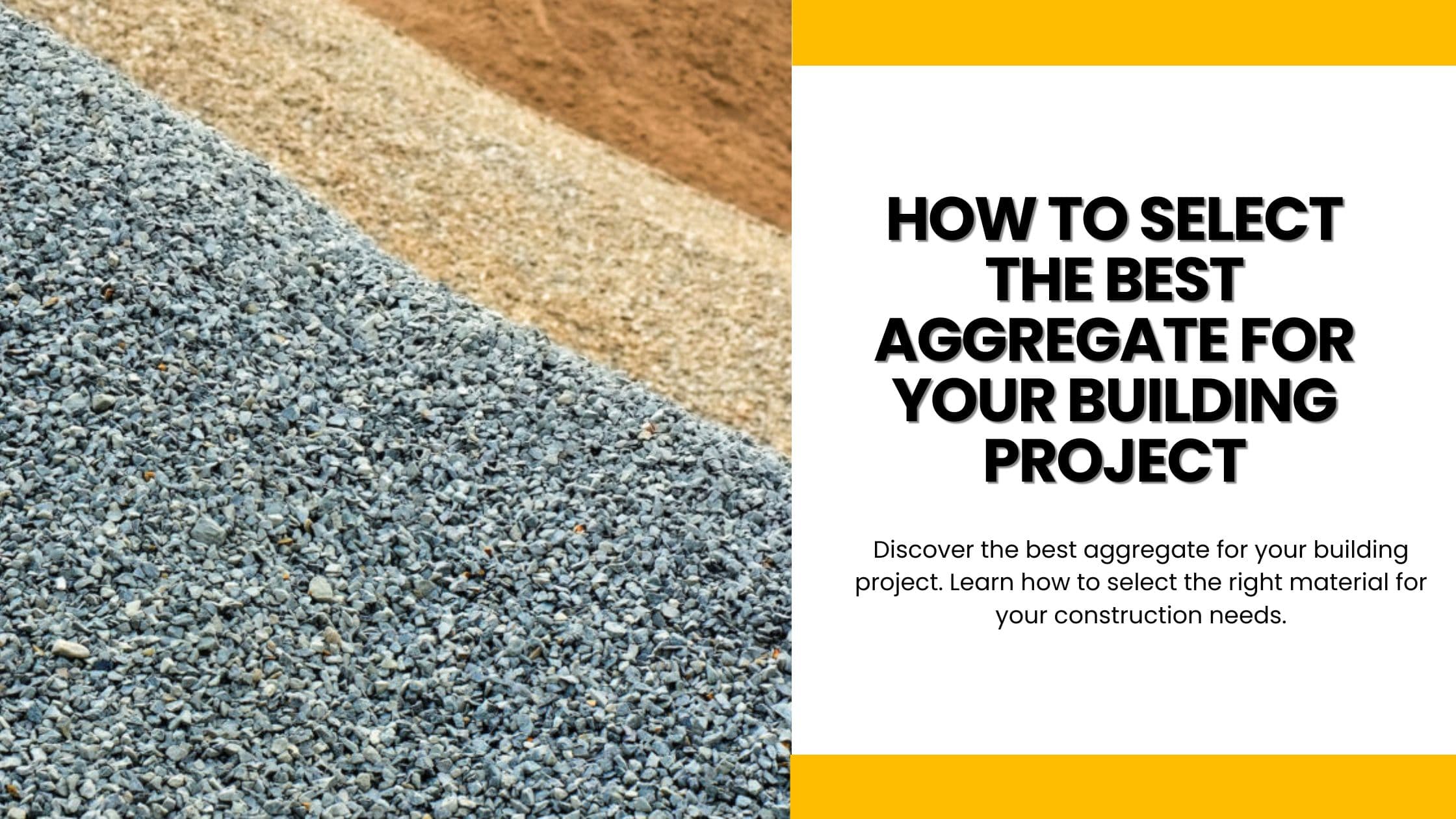
When it comes to building projects, choosing the right materials is key to ensuring long-term success. One of the most important materials in construction is the aggregate. It may not always be the first thing that comes to mind, but the right construction aggregate can make a world of difference to the strength, durability, and overall quality of your project. Whether you’re working on a simple home project or a large-scale commercial development, selecting the appropriate aggregate ensures that your structure stands strong for years to come. In this blog, we’ll explore everything you need to know about selecting the best aggregate, from understanding its various types to finding the right supplier. Understanding Construction Aggregate Construction aggregates form the backbone of many building projects. These materials are essential in ensuring structural integrity, whether you’re pouring a concrete foundation or laying down a durable road. Aggregates provide strength, improve workability, and enhance the finish of your structure. However, with a wide variety of aggregates available, how do you determine which one is best suited for your project? This guide aims to help you understand the different types of construction aggregate and how to choose the right one based on your specific needs. We’ll break down the types of aggregates, their uses, and key factors to consider when selecting high-quality aggregates, all while highlighting the importance of working with reliable aggregate suppliers. What are Aggregates? In the world of construction, aggregates refer to coarse or fine particulate materials used in the construction process. These can range from crushed stone and gravel to sand and recycled materials. Aggregates are an integral part of the mix for concrete, asphalt, and other building materials. They add strength and bulk, making them crucial for a variety of construction applications, from roadways to skyscrapers. Why are Aggregates Important in Construction? Aggregates contribute to the overall stability and durability of structures. By choosing the right aggregate, you ensure your project can withstand environmental stressors such as weather, load, and time. Additionally, aggregates play a vital role in the surface finish, whether you’re aiming for a smooth or textured appearance. From improving drainage in road construction to creating a solid foundation for buildings, aggregates are used in nearly every aspect of the building process. Types of Construction Aggregates Natural Aggregates Crushed Stone: One of the most commonly used aggregates in construction, crushed stone is perfect for concrete mixes and road surfaces. Its rough texture makes it ideal for providing stability. Gravel: Known for its smooth, rounded shape, gravel is often used in pathways, drainage systems, and as a base material for roads. Sand: Used in concrete, mortar, and plastering, sand provides a fine texture and plays an essential role in bonding materials together. Recycled Aggregates Reclaimed Concrete: Crushed and reused from old structures, this eco-friendly option is becoming more popular. It’s typically used for filling or creating a sub-base in road construction. Crushed Asphalt: This is made from reclaimed asphalt from roads and driveways. It’s a sustainable choice for new road surfaces or as a base layer. Manufactured Aggregates M-Sand: Manufactured sand (M-Sand) is created by crushing rocks to form a fine texture. It’s commonly used as a replacement for natural sand in concrete mixes. Slag Aggregates: These are by-products from steel production, used in a variety of applications, from road construction to drainage systems. Secondary Aggregates Fly Ash: A by-product of coal combustion, fly ash is often used in concrete to enhance strength and durability. Silica Fume: This fine material is used to increase the density and strength of concrete, often for high-performance construction projects. Selecting Based on Project Needs Choosing the right aggregate largely depends on your project. For example: Road Construction: Crushed stone and gravel provide the necessary strength and drainage. Building Foundations: Natural aggregates like crushed stone or sand ensure a stable base. Landscaping: Gravel and decorative stones are commonly used for aesthetic purposes and drainage solutions. How To Choose Quality Aggregate Now that we know the types of aggregates, let’s look at the qualities that define the best aggregate for your project. Size and Shape The size and shape of the aggregate can significantly affect the mix. Larger particles provide strength but might reduce workability, whereas finer aggregates enhance smoothness. It’s important to strike a balance depending on the project. Durability and Strength Aggregates should be strong enough to withstand the weight and stresses they will encounter in the structure. Crushed stone is ideal for heavy-duty structures, while lighter materials like sand work well in less load-bearing areas. Workability For concrete, the workability of the mix is key. Aggregates that are too large or irregular in shape can make mixing and pouring concrete difficult, especially in confined spaces. Opt for aggregates that offer ease in handling and ensure a smooth pouring process. Absorption and Moisture Content The ability of aggregates to absorb water affects the drying time and strength of the final structure. Aggregates with high absorption can lead to cracking and weaken the concrete over time. Always choose aggregates with low absorption rates for better long-term performance. Grading and Fineness Modulus Grading refers to the distribution of different sizes of aggregate in a mix. Well-graded aggregates enhance the stability of the concrete, while poorly graded ones may lead to voids and weaknesses. The fineness modulus (FM) is a measure of how fine or coarse the aggregate is, and it helps in optimizing the mix design. Finding the Right Construction Aggregate Suppliers When it comes to selecting aggregates, finding a reliable supplier is just as important as choosing the right type. Here’s what to consider: Quality Standards Ensure that your aggregate supplier meets industry quality standards. Aggregates should be free of contaminants and meet specific grading and performance benchmarks. Proximity and Transportation Costs The location of your supplier can significantly impact your project costs. Transportation fees can quickly add up, so it’s wise to source from a supplier nearby. Local suppliers like Raj Mineral not only save on transportation costs but also ensure

Editor
Properties of M Sand

Blog

Key Properties of M Sand for Residential vs. Commercial Construction Projects

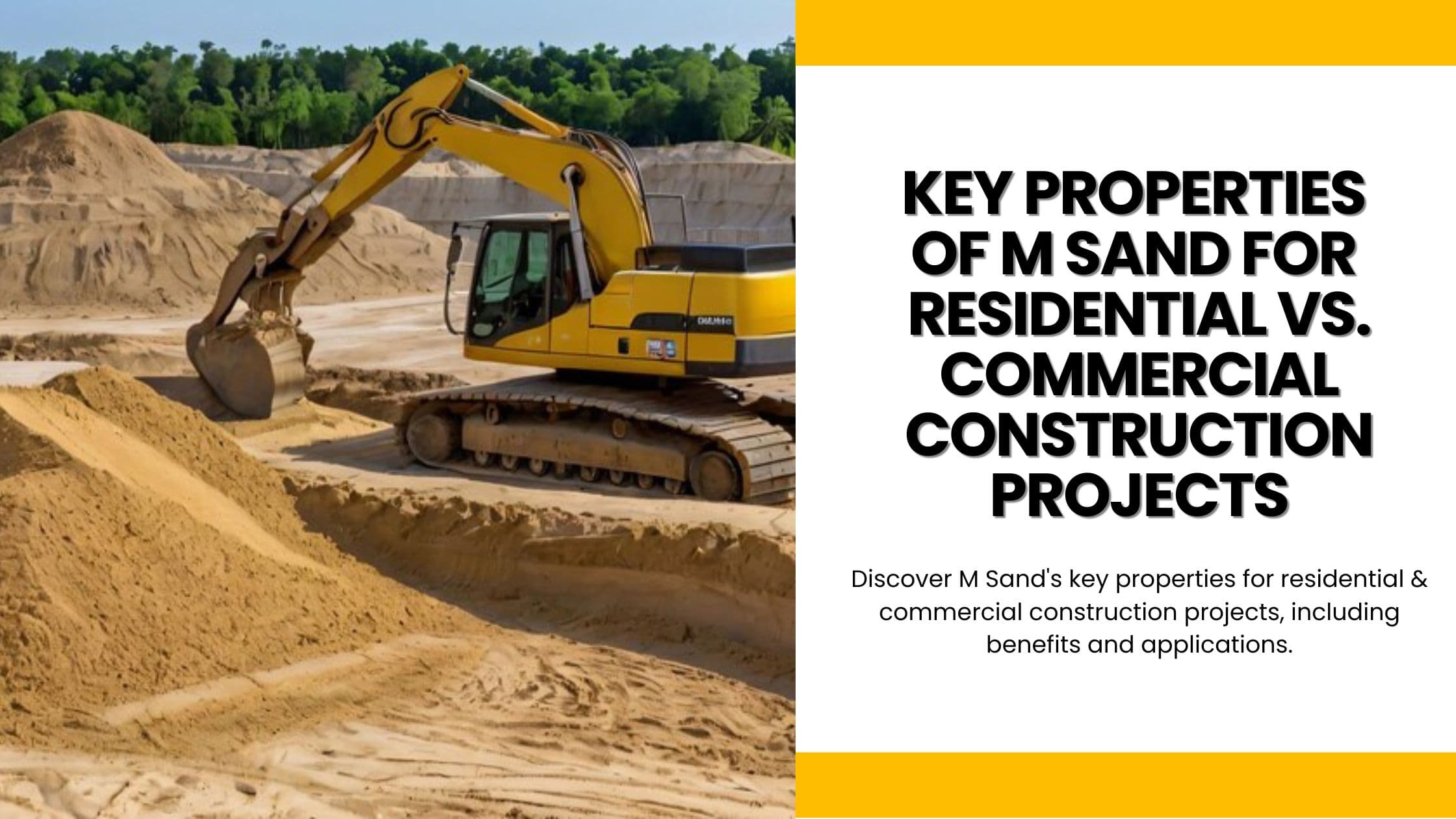
In recent years, Manufactured Sand (M Sand) has emerged as a popular alternative to natural sand in the construction industry. As the availability of river sand dwindles and environmental concerns grow, M Sand offers a sustainable and reliable solution for building needs. But what exactly makes M Sand a preferred choice for both residential and commercial construction? Understanding the key properties of M Sand is essential to determine its suitability for different types of construction projects. This blog delves into the specific properties of M Sand and how they cater to the requirements of residential and commercial buildings. Whether you’re working on a home project or a large commercial complex, knowing these differences can help in choosing the right material. Key Properties of Manufactured Sand M Sand, also known as Manufactured Sand, is created by crushing hard granite rocks into fine particles that resemble natural sand. Its composition and characteristics make it an excellent substitute for natural sand in construction projects. Here are some of the most important properties of M Sand: Particle Size and Shape M Sand has a consistent particle size and cubical shape, which helps enhance the strength of concrete. This uniformity leads to better compaction and bonding in concrete mixtures, improving the durability of the structure. Gradation M Sand is manufactured with precise control over its gradation, ensuring that it meets the specific needs of concrete mix designs. This uniform gradation helps in achieving high-quality, long-lasting construction. Fineness Modulus The fineness modulus of M Sand is carefully controlled to provide better workability in concrete. Its fine particles blend well with cement and other aggregates, reducing the void spaces and improving the finish quality. Moisture Content M Sand generally has a lower water absorption rate compared to natural sand. This property allows for better water management during the mixing process, ensuring that the concrete retains its strength and durability. Specific Gravity The specific gravity of M Sand is higher than that of natural sand, which contributes to the strength and stability of the concrete. This is especially important in high-load structures like commercial buildings and large residential complexes. These properties of manufactured sand directly impact the quality, strength, and overall durability of the construction. Now let’s look at how M Sand performs in residential and commercial projects. Manufactured Sand for Residential Construction Residential construction projects often prioritize a balance between strength, aesthetics, and cost efficiency. Here’s how M Sand fits into these criteria: Strength and Durability Residential buildings, though smaller in scale than commercial structures, require materials that ensure long-term stability and durability. M Sand offers excellent compressive strength, providing a solid foundation for homes and ensuring the longevity of the structure. Workability and Finishing M Sand has superior workability, making it easier for builders to mold, shape, and apply the material in residential projects. Whether it’s plastering or concrete finishing, M Sand offers a smoother surface, leading to a more polished final product. Cost Efficiency Cost is a significant factor in residential construction. M Sand is often more affordable than natural sand due to its widespread availability and the controlled manufacturing process. This makes it a cost-effective option for homebuilders looking to reduce their construction expenses. Environment-Friendly As sustainable construction becomes increasingly important in residential projects, M Sand presents an eco-friendly alternative. It reduces the dependence on river sand, which is often extracted in environmentally harmful ways, and promotes sustainable building practices. Manufactured Sand for Commercial Construction Commercial construction projects, such as office complexes, shopping malls, and skyscrapers, have different requirements compared to residential buildings. Here’s how M Sand is advantageous in such scenarios: High Compressive Strength Commercial buildings often need to withstand high load-bearing capacities. M Sand provides the compressive strength necessary to support the weight and structural demands of large-scale projects. This makes it an ideal choice for commercial construction, where robustness is crucial. Consistent Quality One of the biggest advantages of M Sand for commercial construction is its consistency. Each batch of M Sand is produced under strict quality controls, ensuring uniformity across the project. This consistency is vital when constructing high-rise buildings or large complexes where even minor variations in material quality can lead to structural issues. Performance Under Load Commercial buildings typically experience higher and more frequent loads compared to residential structures. M Sand performs exceptionally well under heavy load conditions, providing the necessary stability and integrity required for commercial projects. Compatibility with Concrete Additives In commercial construction, various chemical admixtures are used to enhance concrete performance. M Sand has shown excellent compatibility with these additives, making it an ideal partner in projects where specialized concrete is required. M Sand Properties for Residential vs. Commercial Projects Now that we’ve discussed the individual advantages of M Sand for both residential and commercial construction, let’s compare how it performs across these two sectors: Strength Requirements While both residential and commercial buildings require strong materials, commercial projects demand higher compressive strength to handle heavier loads and more extensive structures. M Sand fulfills these requirements by providing superior strength for both small and large projects. Structural Design Considerations Commercial buildings often require more complex structural designs, with specific load-bearing requirements. M Sand, with its higher specific gravity and excellent performance under pressure, caters to these needs effectively. Cost and Availability Commercial buildings often require more complex structural designs, with specific load-bearing requirements. M Sand, with its higher specific gravity and excellent performance under pressure, caters to these needs effectively. Aesthetic vs. Structural Focus In residential construction, aesthetics play a more significant role, and M Sand’s workability helps achieve smooth finishes. In contrast, commercial buildings focus on structural integrity, and M Sand’s strength and durability ensure that this focus is met. Why Choose M Sand for Your Construction Project? M Sand is a versatile material that offers numerous advantages for both residential and commercial construction. It provides strength, durability, and cost-efficiency while also supporting sustainable building practices. Additionally, M Sand’s controlled manufacturing process ensures consistent quality, making it a reliable choice for any construction project.

Editor
Solving the Global Sand Shortage with Manufactured Sand

Blog

Manufactured Sand: A Sustainable Solution to the Global Sand Shortage?

link sicepat99 login sicepat99 sicepat99 link sicepat99 login sicepat99 permata168 login permata168 link permata168 permata168 login permata168 link permata168 permata168 login permata168 slot permata123 login permata123 slot link permata123 permata123 login permata123 link permata123 permata123 login permata123 slot link permata123 permata123 login permata123 link permata123 permatawin login permatawin slot link permatawin permatawin login permatawin link permatawin permata14d login permata14d slot link permata14d permata14d login permata14d link permata14d permata77 login permata77 slot link permata77 permata77 login permata77 link permata77 permataslot login permataslot slot link permataslot permataslot login permataslot link permataslot permataslot login permataslot slot link permataslot permataslot login permataslot link permataslot permata77 login permata77 slot link permata77 permata77 login permata77 link permata77 permata14d login permata14d slot link permata14d permata14d login permata14d link permata14d permatawin login permatawin slot link permatawin permatawin login permatawin link permatawin permata123 login permata123 slot link permata123 permata123 login permata123 link permata123 link sicepat99 login sicepat99 sicepat99 link sicepat99 login sicepat99 permata168 login permata168 link permata168 permata168 login permata168 link permata168 permata168 login permata168 slot permata123 login permata123 slot link permata123 permata123 login permata123 link permata123 permata123 login permata123 slot link permata123 permata123 login permata123 link permata123 permatawin login permatawin slot link permatawin permatawin login permatawin link permatawin permata14d login permata14d slot link permata14d permata14d login permata14d link permata14d permata77 login permata77 slot link permata77 permata77 login permata77 link permata77 permataslot login permataslot slot link permataslot permataslot login permataslot link permataslot permataslot login permataslot slot link permataslot permataslot login permataslot link permataslot permata77 login permata77 slot link permata77 permata77 login permata77 link permata77 permata14d login permata14d slot link permata14d permata14d login permata14d link permata14d permatawin login permatawin slot link permatawin permatawin login permatawin link permatawin permata123 login permata123 slot link permata123 permata123 login permata123 link permata123 link sicepat99 login sicepat99 sicepat99 link sicepat99 login sicepat99 permata168 login permata168 link permata168 permata168 login permata168 link permata168 permata168 login permata168 slot permata123 login permata123 slot link permata123 permata123 login permata123 link permata123 permata123 login permata123 slot link permata123 permata123 login permata123 link permata123 permatawin login permatawin slot link permatawin permatawin login permatawin link permatawin permata14d login permata14d slot link permata14d permata14d login permata14d link permata14d permata77 login permata77 slot link permata77 permata77 login permata77 link permata77 permataslot login permataslot slot link permataslot permataslot login permataslot link permataslot permataslot login permataslot slot link permataslot permataslot login permataslot link permataslot permata77 login permata77 slot link permata77 permata77 login permata77 link permata77 permata14d login permata14d slot link permata14d permata14d login permata14d link permata14d permatawin login permatawin slot link permatawin permatawin login permatawin link permatawin permata123 login permata123 slot link permata123 permata123 login permata123 link permata123 link sicepat99 login sicepat99 sicepat99 link sicepat99 login sicepat99 permata168 login permata168 link permata168 permata168 login permata168 link permata168 permata168 login permata168 slot permata123 login permata123 slot link permata123 permata123 login permata123 link permata123 permata123 login permata123 slot link permata123 permata123 login permata123 link permata123 permatawin login permatawin slot link permatawin permatawin login permatawin link permatawin permata14d login permata14d slot link permata14d permata14d login permata14d link permata14d permata77 login permata77 slot link permata77 permata77 login permata77 link permata77 permataslot login permataslot slot link permataslot permataslot login permataslot link permataslot permataslot login permataslot slot link permataslot permataslot login permataslot link permataslot permata77 login permata77 slot link permata77 permata77 login permata77 link permata77 permata14d login permata14d slot link permata14d permata14d login permata14d link permata14d permatawin login permatawin slot link permatawin permatawin login permatawin link permatawin permata123 login permata123 slot link permata123 permata123 login permata123 link permata123 Solving the Global Sand Shortage with Manufactured Sand In today’s world, sand is more than just a component of our beaches and deserts; it is the backbone of modern construction. Surprisingly, sand is the second most consumed natural resource after water. As global population growth and rapid urbanization continue to fuel the construction boom, the demand for natural sand has skyrocketed, leading to a critical shortage. The construction industry, which heavily relies on this vital resource, is now facing the consequences of over-extraction, with environmental degradation and rising costs becoming more apparent. However, there is hope on the horizon in the form of manufactured sand (M-Sand), a sustainable alternative that holds the potential to address the global sand shortage. Understanding the Global Sand Shortage The global demand for sand has skyrocketed in recent years, driven by rapid urbanization, infrastructure development, and construction booms worldwide. Sand is a critical component in producing concrete, asphalt, and glass, making it indispensable for building everything from skyscrapers to bridges. However, this insatiable demand for sand has led to over-exploitation of natural resources. Rivers, beaches, and quarries are being stripped of their sand at an alarming rate, leading to severe environmental consequences. Ecosystems are disrupted, biodiversity is lost, and coastal areas are experiencing increased erosion. Moreover, the economic impact of this shortage is significant, as construction costs rise and project timelines are delayed due to the scarcity of natural sand. Advantages of M-Sand in Construction M-Sand, also known as engineered or manufactured sand, is produced by crushing hard rocks into fine particles that resemble natural sand. This process ensures a consistent quality and addresses many of the issues associated with natural sand. Quality Consistency One of the key advantages of M-Sand is its consistent grain size and quality. Unlike natural sand, which can vary in composition, M-Sand is manufactured to meet specific requirements. This uniformity results in better workability and ensures that the concrete produced with M-Sand has a higher quality. Cost-Effectiveness The manufactured sand price is generally more stable and often lower than that of natural sand. This is because M-Sand can be produced locally, reducing transportation costs. Additionally, the controlled manufacturing process ensures that there are fewer impurities, reducing the need for additional processing. Enhanced Strength M-Sand is known for its superior strength properties. It has been found to enhance the strength and durability of concrete, making it a preferred choice for high-strength construction projects. The angular shape of M-Sand particles provides better bonding with cement, leading to stronger and more durable structures. Environmental Benefits Using

Editor
Buying Construction Sand

Blog

Essential Factors to Consider When Buying Construction Sand

The Essential Guide to Buying Construction Sand in Rajasthan When it comes to construction, choosing the right materials is crucial. One of the most important materials is construction sand, also known as M Sand. As natural sand resources become depleted and environmental concerns grow, M Sand is emerging as a sustainable alternative in the construction industry. However, not all M Sand is of the same quality. To ensure the success of your construction project, it’s important to carefully consider several factors when buying construction sand in Rajasthan. Understanding the Purpose of the Construction Sand Before you start looking for M Sand, it’s important to understand what you need it for. The type of project you’re working on—whether it’s a residential home, a commercial building, or an industrial site—will determine the specific requirements for M Sand. For example, the sand used in concrete for a commercial building may need to be of a different quality and grain size than the sand used for plastering a residential home. Understanding your project’s needs will help you choose the right type of M Sand. Key Factors to Consider When Buying Construction Sand in Rajasthan Here are some essential factors to keep in mind when buying M Sand: Quality of Manufacturing Process The quality of M Sand depends largely on the manufacturing process. It’s important to choose a supplier who uses a reputable method, such as Vertical Shaft Impact (VSI) crushers and impact crushers. These methods are known for producing high-quality sand. Additionally, look for a supplier with a proven track record of delivering consistent, high-quality sand. The right manufacturing process ensures that the sand is of the correct size, shape, and purity, which will contribute to the strength and durability of your construction project. Sourcing and Location Where your M Sand is sourced from can greatly affect its quality. Sand sourced from different locations can have varying levels of impurities and different grain sizes, which can impact its performance in your construction project. Research potential suppliers thoroughly and ask questions about their sourcing practices. A reliable supplier should be transparent about where their construction sand in Rajasthan comes from and how it is processed. This information can help you choose a product that meets your specific requirements. Grain Size Distribution The grain size of M Sand is another important factor to consider. The size of the grains can affect the workability, strength, and finish of the concrete or plaster. Fine grains may be suitable for plastering, while coarser grains might be better for concrete work. It’s a good idea to consult with a knowledgeable supplier or conduct your own tests to determine the optimal grain size distribution for your project. Understanding the right grain size for your needs will ensure that the sand you purchase is suitable for the job. Shape and Angularity The shape and angularity of the sand particles can also influence their performance. Sand with well-shaped, angular particles provides better bonding in concrete and plastering projects, resulting in stronger and more durable structures. When selecting M Sand, look for particles that are angular rather than rounded. Angular particles interlock more effectively, which can enhance the overall strength of the material. A supplier who pays attention to these details is more likely to provide high-quality construction sand in Rajasthan that meets the needs of your project. Contamination and Impurities One of the biggest concerns with construction sand is the presence of contaminants like dust, clay, and other impurities. These contaminants can reduce the quality of the sand, leading to weaker concrete and plaster. It’s important to test for contaminants and impurities or to request test reports from reputable suppliers. A reliable supplier should provide sand that meets the required standards for purity and quality. This ensures that the sand will perform well in your construction project and that you won’t encounter problems down the line. Packaging and Storage How M Sand is packaged and stored can significantly impact its quality. Proper packaging helps to protect the sand from contamination during transportation, while proper storage on-site ensures that the sand remains in good condition until it’s ready to be used. Choose a supplier that offers quality packaging options and provides guidance on how to store the sand properly. This will help you maintain the quality of the sand from the time it leaves the supplier until it’s used in your project. Certification and Compliance Finally, it’s important to choose M Sand that is certified and compliant with industry standards. Certification from reputable organizations like ISO and ASTM provides assurance that the sand meets established quality and performance standards. Before making a purchase, check for certifications and compliance with industry regulations. This step ensures that the sand you’re buying is up to standard and suitable for your specific needs. Working with a certified product reduces the risk of using subpar materials in your construction project. The Role of M Sand in Sustainable Construction In addition to the technical factors mentioned above, it’s important to consider the environmental impact of your construction materials. M Sand is an environmentally friendly alternative to natural sand. By choosing construction sand in Rajasthan, you’re contributing to the conservation of natural resources and reducing the environmental footprint of your construction project. This aspect of sustainability is becoming increasingly important in the construction industry, and using M Sand is a positive step in that direction. Conclusion Choosing the right construction sand is a critical decision that can impact the success of your construction project. By considering these essential factors—such as the quality of the manufacturing process, sourcing and location, grain size distribution, shape and angularity, contamination and impurities, packaging and storage, and certification and compliance—you can ensure that you are purchasing high-quality sand that meets your specific needs. For those looking for a reliable supplier of construction sand in Rajasthan, Raj Mineral is a trusted name in the industry. With a commitment to quality and customer satisfaction, Raj Mineral provides M Sand that meets the highest standards of performance and

Editor
Artificial Sand and How Is It Manufactured

Blog

What Is Artificial Sand and How Is It Manufactured?

Artificial Sand: What It Is and How It’s Made The construction company is the cornerstone of global development and highly relies on natural resources to increase growth. As natural resources become increasingly scarce and expensive it has evolved to cope with the demand of it. However, the construction sector has reevaluated its practices and developed innovative solutions. This is where artificial sand comes into the picture, providing sustainable construction practices. Artificial sand is a product that is manufactured by crushing hard granite, basalt, and other rock formations. Join us as we explore the history of artificial sand a tale of sustainability, ingenuity, and the industry’s dedication to constructing a better future. What Is Artificial Sand? Artificial sand also popularly known as M sand is created by crushing hard granite, basalt and other suitable rock formations into smaller particles that look very similar to the natural sand. In contrast, natural sand is created over millions of years as wind and water erode the rock foundation. Artificial sand is produced in a regulated environment with the help of advanced machinery and techniques. Difference between natural sand and artificial sand BASIS Natural Sand Artificial Sand Source Extracted from riverbeds, beaches, and dunes Produced by crushing hard stones like granite, basalt, and limestone in a controlled environment. Composition Consists of rounded particles formed over thousands of years through weathering and erosion. Composed of angular particles with rough surfaces Texture Typically has a smooth texture and consistent particle size Rougher than natural sand, with more variation in particle shape and size Availability Limited and location-specific, often requiring transportation over long distances Can be produced locally, making it more accessible in various regions Reasons for the scarcity and the expense of the natural resources Sand mining is restricted by more environmental restrictions to safeguard river habitats, which lowers the supply. Significant depletion has resulted from overexploitation of natural sand sources, particularly in regions with high demand. The high cost of transporting sand from distant sources to construction sites adds to the overall expense. Rapid urbanization and infrastructure development have significantly increased the demand for sand in construction. Advantages of Using Artificial Sand Cost-Effectiveness: Local production of artificial sand is less expensive, avoiding significant transportation expenses and providing steady prices less impacted by market swings. Consistency: Artificial sand is produced under carefully monitored circumstances to guarantee consistent particle size and shape and dependable quality. Because it can be generated on demand, construction projects will always have access to a steady supply. Eco-Friendliness: Artificial sand minimizes industrial waste, encourages sustainable practices, and reduces dredging, which depletes natural resources. It also frequently uses recycled materials. How Is Artificial Sand Manufactured? Raw Material Selection Types of raw material used Granite: Known for its hardness and durability, granite is a common choice for artificial sand production. Basalt: Another hard and dense rock, basalt is ideal for creating sand due to its strength. River Pebbles: These are naturally weathered, smooth stones that can be crushed to produce fine sand. Selection criteria for raw materials Durability and Hardness composition of minerals Lack of dangerous materials (such as clay or biological stuff) Local accessibility to cut down on transport expenses Crushing Process Primary crushing Big rocks are fed into a primary crusher, such as an impact or jaw crusher. Rocks are fragmented into smaller pieces, usually measuring between 100 and 150 mm. This phase gets the material ready for further crushing. Secondary crushing The material from primary crushing is fed into secondary crushers (e.g., cone crushers or impact crushers) Further size reduction occurs, bringing the particles down to 20-25mm This stage aims to achieve the desired gradation for artificial sand production Screening and Washing Screening Vibrating screens are used to sort the crushed material, separating the sand from the larger particles. This guarantees that only particles of the right size advance through the procedure. Washing  To get rid of contaminants like dust, clay, and other impurities, the screened sand is cleaned. Sand that has undergone this washing procedure is of higher grade and is, therefore, more appropriate for use in construction. Vertical Shaft Impact Crushers (VSI) Shaping and Grading Sand particles are shaped using VSI crushers, which produce well-formed, cubical particles perfect for building use. Rating: To guarantee uniform particle size distribution, which is essential for consistent performance in concrete and other building materials, the shaped sand is graded. Testing for Quality Control: To make sure it satisfies the required requirements and quality standards, the manufactured sand is checked for particle strength, size, and shape. Ensuring the compliance To ensure that artificial sand is suitable for use in building projects, it must adhere to industry standards, such as ASTM or IS norms. This guarantees the manufactured sand’s dependability in a range of construction applications while preserving the structural integrity and security of the buildings constructed with it. Applications of Artificial Sand Concrete Production: When it comes to high-performance and high-strength concrete applications, artificial sand is the recommended fine aggregate in mixes because it provides constant qualities that improve workability and strength. Mortar and Plaster: Artificial sand offers better adherence and finish than some natural sands, making it perfect for mortar and plaster mixtures due to its consistent grading. Road Construction: The angular particles of artificial sand, when mixed with asphalt mixtures, increase the interlocking and stability of road surfaces. Landscaping: Artificial turf infill and ornamental landscaping components are installed on specific grades. Precast Concrete Products: The uniform quality of precast concrete pieces is ensured by their consistent qualities. Conclusion Because of its consistency, affordability, and environmental friendliness, artificial sand is a desirable substitute for natural sand. Understanding the manufacturing process of artificial sand is crucial for construction professionals, engineers, and project managers. For those working in the building sector who need a trustworthy source of artificial sand of the highest calibre, Raj Mineral is a good choice to take into account. Raj Mineral is dedicated to producing artificial sand that satisfies industry requirements and advances construction projects. ALSO READ: Manufactured Sand: Reshaping the

Editor
Contractors Prefer Raj Mineral for All Their Construction Material Needs

Blog

Why Contractors Prefer Raj Mineral for All Their Construction Material Needs

Raj Mineral The Best in Construction Material Supply for Contractors In the construction industry, project success is deeply intertwined with the quality and dependability of the materials used. Contractors recognize that selecting an exemplary supplier is paramount to achieving timely completions, adhering to budgets, and delivering outstanding outcomes. Among Udaipur’s construction materials suppliers, Raj Mineral has distinguished itself as the contractor’s top choice. This esteemed provider has cultivated a reputation for excellence, offering a comprehensive array of premium building materials that cater to the multifaceted requirements of construction endeavors across the region. Overview of Raj Mineral Over the years, Raj Mineral has cemented its position as a pivotal player in Udaipur’s construction sector, building a heritage of trust and dependability. As a frontrunner among construction materials suppliers in Udaipur, Raj Mineral boasts a comprehensive inventory of crucial building components, including crushed stone, fly ash cemented bricks, Manufactured Sand, and Interlocking Paver Blocks. Their dedication to providing contractors with a one-stop resource for their material needs has rendered them an indispensable ally in the local building industry. Why Contractors Choose Raj Mineral Reliable Material Supply: Udaipur’s contractors consistently choose Raj Mineral for their construction material needs due to the company’s steadfast commitment to dependable supply. Recognizing the critical nature of punctual deliveries in the dynamic construction realm, where delays can lead to costly setbacks, Raj Mineral excels in meeting deadlines and accommodating both urgent and substantial orders. This adaptability empowers contractors to maintain fluid project schedules and swiftly adjust to evolving on-site conditions, ensuring uninterrupted construction progress. Competitive Prices: Raj Mineral has earned a reputation as one of the most cost-effective building materials suppliers in Udaipur. Their competitive pricing across a diverse range of construction materials enables contractors to manage their budgets more effectively. Raj Mineral’s dedication to affordability is further exemplified through their bulk purchase discounts and loyalty schemes, delivering added value to contractors who rely on them for multiple projects. These cost efficiencies allow contractors to maximize their resources and potentially boost profit margins without sacrificing quality. High-Quality Products: At the heart of Raj Mineral’s success is its unwavering dedication to supplying high-quality construction materials. The company implements stringent quality control protocols throughout their supply chain, guaranteeing that each product not only meets but often surpasses industry benchmarks. Raj Mineral’s commitment to quality is further underscored by their adherence to relevant certifications and standards within the construction sector. By consistently providing superior materials, they empower contractors to achieve exceptional project outcomes, enhancing structural integrity, longevity, and overall construction quality. Exceptional Customer Service: Raj Mineral’s outstanding customer service distinguishes them as a leading construction materials supplier in Udaipur. Their team of skilled professionals is dedicated to supporting contractors throughout their projects, going above and beyond expectations. From offering expert guidance on material selection to promptly addressing urgent inquiries, Raj Mineral’s staff stands ready to assist. This unwavering commitment to customer satisfaction has enabled the company to forge enduring relationships with contractors, nurturing trust and loyalty that transcends individual transactions. Strong Supply Chain Network: A cornerstone of Raj Mineral’s capacity to meet the diverse needs of Udaipur’s contractors is its robust supply chain network. Through close collaboration with local and regional suppliers, they ensure a constant and reliable flow of construction materials. This formidable network enables Raj Mineral to maintain stable inventory levels and swiftly respond to market fluctuations. The efficiency of their supply chain directly translates into advantages for contractors, including enhanced material availability, shortened lead times, and more competitive pricing. Contractors can depend on Raj Mineral to procure even specialized or rare materials, streamlining their acquisition process and allowing them to concentrate on project implementation. Conclusion Raj Mineral has established itself as the go-to construction materials supplier in Udaipur, garnering the trust and allegiance of contractors through their dedication to reliability, affordability, quality, and exceptional service. Their robust supply chain network and extensive product range render them an invaluable ally for construction projects of all scales. For contractors seeking a dependable source for their entire spectrum of building material requirements, Raj Mineral stands ready to deliver. Reach out to Raj Mineral today to witness the transformative impact they can have on your next construction venture and discover why they are the preferred choice for contractors throughout Udaipur. ALSO READ: Best Construction Materials in Udaipur Follow us on @rajminerals

Editor
Crushed Stone vs Gravel

Blog

Crushed Stone vs. Gravel: Unveiling the Best Material for Your Construction

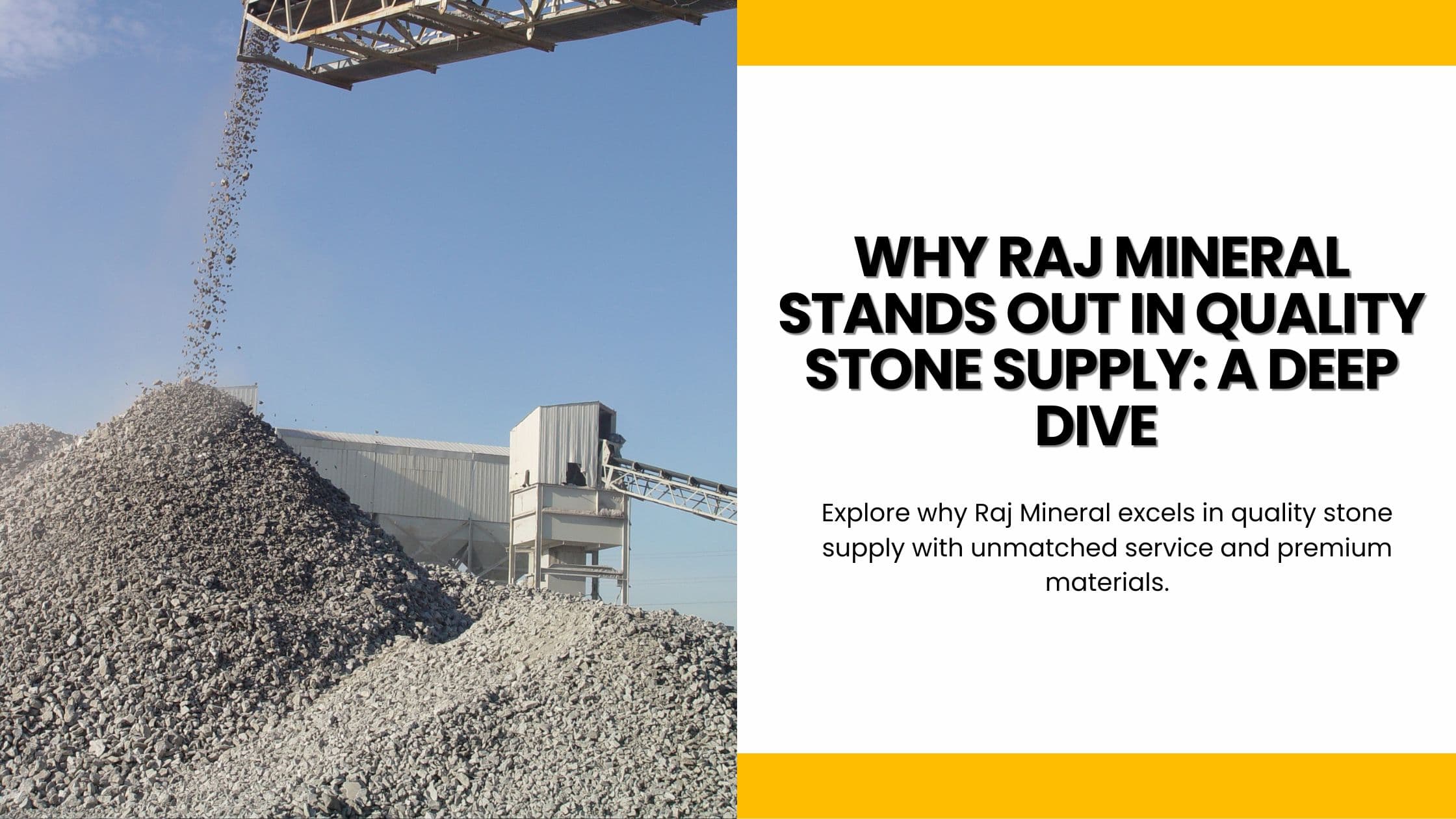
Which Is Better for Construction: Crushed Stone vs Gravel? Crushed stone and gravel are essential components of the construction industry, for a multitude of purposes across various projects. While often used interchangeably, it is crucial to discern the subtle differences between these materials for optimal utilization. Crushed stone, produced by crushing larger rocks like granite or limestone, provides durability and strength, making it well-suited for structural applications. In contrast, gravel, sourced from natural deposits such as river beds or quarries, offers versatility and aesthetic appeal, particularly in landscaping and drainage solutions. Understanding the distinctions between crushed stone and gravel is vital for selecting the most appropriate material based on project requirements. Join us as we explore the intricacies of these common construction materials, revealing their unique characteristics and applications to assist you in making well-informed decisions for your construction projects. What is Crushed Stone? Crushed stone, renowned for its durability and strength, serves as a versatile construction material. This material is derived by crushing substantial rocks like granite, limestone, or trap rock into smaller fragments of varied sizes. Widely employed in driveways, pathways, and construction base layers, crushed stone boasts stability and exceptional water permeability thanks to its interlocking edges. Its diverse range of types, encompassing granite, limestone, and trap rock, ensures adaptability to various construction requirements. With its established efficacy across multiple applications, crushed stone retains its status as the preferred choice for construction projects necessitating resilient and enduring materials. What is Gravel? Gravel is a highly adaptable and natural construction material, comprising small, rounded stones typically sourced from river beds, quarries, and other natural environments. It comes in various types, each suited to specific applications. Pea gravel, with its smooth and small rounded stones, is perfect for decorative landscaping and walkways. River rock, which features larger and smoother stones, is often utilized for drainage solutions and water features. Pea-sized gravel, a smaller variant, is commonly used for garden paths and as a base layer for paving projects. Knowing the different types and sources of gravel is essential for choosing the right material for your construction needs. Size and Applications of Crushed Stone and Gravel A. Size Variations Crushed stone and gravel are versatile construction materials available in a wide range of sizes to cater to diverse project requirements. Both materials come in various size variations, from fine particles to larger chunks. The size of crushed stone typically ranges from coarse aggregates measuring several inches to finer grades suitable for surfaces and drainage applications. Gravel, on the other hand, can range from pea-sized pebbles to larger rocks, with common sizes including pea gravel, river rock, and pea-sized gravel.  This size diversity allows for optimal selection based on specific project needs, whether it’s constructing sturdy foundations, creating permeable drainage systems, or enhancing the aesthetic appeal of landscaping features. Selecting the appropriate size is crucial for achieving the desired functionality, stability, and visual appeal in any construction or landscaping project.  B. Applications based on Properties Crushed stone and gravel are distinct construction materials, each excelling in specific functional and aesthetic applications. The angular, interlocking nature of crushed stone provides exceptional stability, making it an ideal choice for driveways, pathways, and construction base layers that require high load-bearing capacity. Moreover, its porous composition facilitates excellent water permeability, rendering it suitable for effective drainage solutions. Conversely, gravel’s natural appearance and smooth texture cater to both functional and aesthetic needs.   Its organic charm and drainage capabilities make it a favored option for landscaping projects, while its smooth surface offers a comfortable walking experience for pathways. Notably, smaller gravel particles are commonly employed for pipe bedding, ensuring proper drainage around underground utilities. When choosing between these materials, it is essential to consider the specific project requirements, as crushed stone shines in structural applications, while gravel offers a visually appealing and versatile solution for various landscaping and decorative purposes. Choosing the Right Material for Your Project Selecting the appropriate material, whether crushed stone or gravel, for your construction project requires a comprehensive evaluation of several key factors. Primarily, it is crucial to assess the specific project requirements, such as the need for efficient drainage solutions, load-bearing capabilities, or desired aesthetic appeal. Additionally, environmental factors, including moisture levels, temperature, and soil composition, play a significant role in determining the most suitable material choice. Practical considerations like cost and local availability of materials also influence the decision-making process, as they impact the project’s budget and feasibility.   Moreover, aesthetic preferences should not be disregarded, especially for projects where visual appeal holds significant importance. Gravel’s natural and organic appearance may be preferred for its charm, while crushed stone offers a more uniform and structured aesthetic. By carefully weighing these factors, you can ensure that the selected material aligns with the functional, environmental, financial, and visual demands of your construction endeavor.  Conclusion In conclusion, crushed stone and gravel are distinctly different construction materials, each possessing unique properties that make them suitable for specific applications. Crushed stone, characterized by its angular edges and exceptional strength, is the ideal choice for load-bearing structures and efficient drainage solutions. On the other hand, gravel’s natural, smooth appearance and versatility make it an excellent option for landscaping and decorative projects. Selecting the appropriate material is paramount to ensure the success and longevity of any construction endeavor. For those in need of high-quality crushed stone in Udaipur, Raj Mineral emerges as a reliable supplier, offering a comprehensive range of options tailored to meet your project’s specific requirements. With their expertise and unwavering commitment to excellence, they can guide you in choosing the perfect material, ensuring that your construction project meets the highest standards of quality and functionality. ALSO READ: Advantages of Crusher Stone Grit for Landscaping and Garden Projects Follow us on @rajminerals

Editor
Trends in Building Materials || future of construction || Innovations in building material

Blog

The Future of Construction: Innovations and Trends in Building Materials

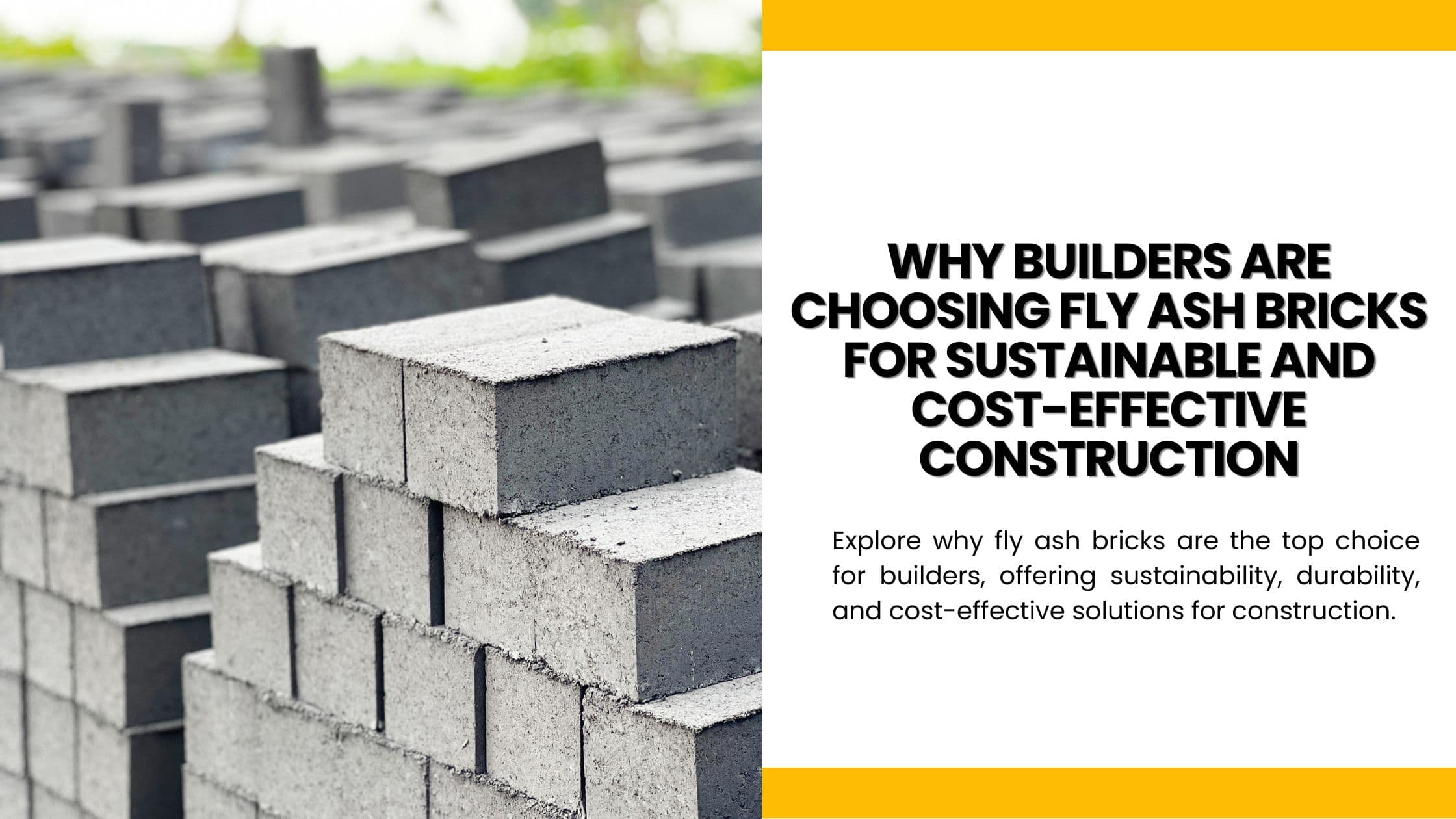
Innovations and Trends in Building Materials Welcome to the exploration of the future of construction: innovations & trends in building materials by Raj Mineral, where innovation and sustainability come together to redefine the built environment. We are at the threshold of a new era in architecture and engineering, with the idea of the “future of construction” emerging as a beacon of possibility. This concept promises a landscape marked by efficiency, resilience, and environmental responsibility. The evolving role of building materials is at the core of this transformation, as they are the foundation of every structure and hold the key to unlocking new levels of performance and sustainability. From advanced composites to eco-friendly alternatives, these materials are set to revolutionize the way we design, construct, and inhabit our buildings, leading us toward a brighter, more sustainable future. Join us on a journey through the innovations and trends shaping the future of construction materials, and witness how Raj Mineral is spearheading the movement towards a more sustainable and resilient built environment. Sustainability Takes Center Stage In the dynamic realm of construction, sustainability has become a top priority, leading to a shift towards environmentally conscious building methods. This increased focus on sustainability has opened the door to the use of innovative, eco-friendly materials that prioritize environmental stewardship. Manufactured Sand and Fly Ash Cemented Bricks have both gained popularity for their sustainable qualities. Manufactured Sand, made by crushing rocks and quarry stones, provides a renewable substitute for natural sand, helping to reduce the depletion of riverbeds and lessen environmental impact. Similarly, Fly Ash Cemented Bricks make use of fly ash, a coal combustion byproduct, as a binding agent, decreasing the need for traditional cement and lowering carbon emissions. By incorporating these environmentally friendly materials, construction projects can reduce their environmental impact and contribute to a more sustainable future for generations to come. Strength and Efficiency Redefined In the quest for a sustainable and effective future for construction, progress in material characteristics plays a crucial role in redefining durability and effectiveness. The introduction of cutting-edge building materials like High-Performance Concrete (HPC) and Fiber-Reinforced Polymers (FRPs) is causing a significant transformation in construction methods. HPC integrates additional cementitious materials and chemical additives to achieve unmatched compressive strength and resistance to environmental elements. Similarly, FRPs provide lightweight yet sturdy options to traditional materials, showcasing outstanding strength-to-weight ratios and ease of setup. These developments not only guarantee the stability and durability of structures but also enhance material utilization and construction efficiency, ultimately contributing to a more sustainable and effective construction sector. At Raj Mineral, we are dedicated to delivering these innovative materials, enabling constructors and developers to erect the sustainable and resilient buildings of the future. Technology Meets Construction Digital technology is rapidly transforming the way we approach the design, construction, and utilization of building materials. The introduction of Building Information Modeling (BIM) software has allowed for precise planning and coordination, while advanced sensors and Internet of Things (IoT) devices enable real-time monitoring of building performance. These technological advancements greatly enhance functionality and efficiency throughout the entire construction process. Additionally, integrating smart technologies into building materials, such as self-healing concrete and programmable materials, further improves resilience and sustainability. By embracing these innovations, we at Raj Mineral are proud to offer innovative materials that support sustainable and resilient construction practices. Conclusion In Conclusion, the future of the construction industry is characterized by the combination of innovation and sustainability, which is driven by advancements in building materials and technology. The industry is experiencing a significant shift towards environmentally friendly alternatives like Manufactured Sand and Fly Ash Cemented Bricks, as well as high-performance materials such as High-Performance Concrete and Fiber-Reinforced Polymers. At Raj Mineral, we are at the forefront of this transformation, providing builders with innovative materials that enable them to construct sustainable, efficient, and resilient structures. Our commitment to quality, sustainability, and customer satisfaction positions us as a key player in shaping the future of construction. We invite you to join us in creating a better tomorrow, where innovation and sustainability go hand in hand, and excellence knows no limits. At Raj Mineral, we invite you to explore the potential of construction materials and discover the Best Construction Materials in Udaipur. Our range includes environmentally friendly options such as Manufactured Sand, as well as advanced composites and smart technologies. We are leading the path toward sustainable and effective construction. Collaborate with us to construct a more eco-friendly and intelligent future. For reliable construction materials like M Sand, Fly Ash Bricks, Crusher Stone Grit, connect with us for durable, high-quality solutions you can trust. Follow us on @rajminerals ALSO READ: Raj Mineral’s Unmatched Leadership in M Sand Industry in 2024

Editor
Call Now