Raj Mineral Logo
HomeAbout Us
Plants & ProductsBlogsContact Us
Blogs

Articles and Updates

Insights from Raj Mineral on products, construction materials, and practical site use.

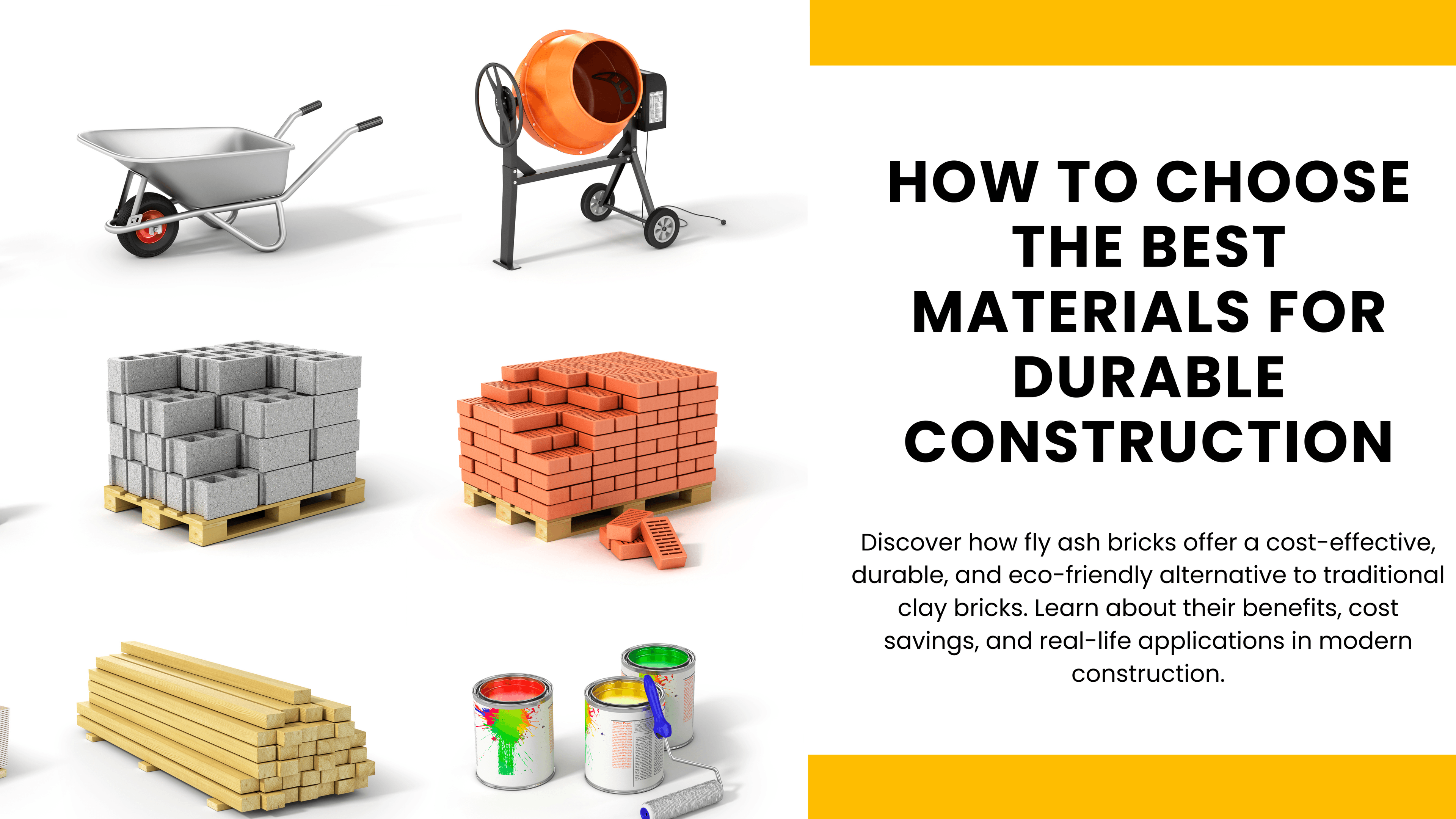
How to Choose the Best Materials for Durable Construction

Blog

How to Choose the Best Materials for Durable Construction

Introduction Selecting the right building materials is one of the most critical decisions in construction. Whether you’re building a residential home, commercial complex, or infrastructure project, the quality of materials directly impacts durability, safety, and cost-effectiveness. Durable building materials ensure a strong foundation, reduce maintenance costs, and enhance the overall lifespan of a structure. Additionally, with the growing demand for sustainable building solutions, many developers are now prioritizing eco-friendly and energy-efficient construction materials. In this guide, we will explore how to choose the best construction materials, focusing on factors such as strength, cost-effectiveness, sustainability, and weather resistance. Understanding Different Types of Building Materials Building materials can be broadly categorized based on their function and application. Here’s a breakdown of the key types: 1. Structural Materials These materials provide the core strength of a building and include: Concrete: A mixture of cement, sand, and aggregates that forms the backbone of construction. Steel: Used for reinforcement, framing, and high-rise structures due to its tensile strength. Bricks: Traditional clay bricks and modern fly ash bricks are commonly used in walls and masonry. 2. Masonry Materials Fly Ash Bricks: A sustainable and cost-effective alternative to traditional clay bricks, offering higher strength and better insulation. Traditional Clay Bricks: While widely used, they have drawbacks like high water absorption and environmental concerns. 3. Finishing Materials Tiles & Paints: Used for interior and exterior surfaces to improve aesthetics and protection. Interlocking Paver Blocks: Ideal for driveways, pathways, and landscaping, offering both durability and style. 4. Aggregates & Fillers Crusher Stone Grit: A crucial ingredient for high-strength concrete mixes. Manufactured Sand (M-Sand): A superior alternative to river sand, providing better binding strength and consistency. Each category plays a unique role in construction, and selecting the right combination ensures a sturdy and long-lasting structure. Key Factors to Consider When Choosing Building Materials Selecting high-quality building materials involves evaluating multiple factors: 1. Durability & Strength Crusher stone grit and M-Sand provide robust structural integrity, making them essential for strong foundations and concrete mixes. Their superior binding properties enhance load-bearing capacity, ensuring long-lasting construction. Concrete and steel reinforcement play a crucial role in providing structural strength. While concrete offers compressive strength, steel reinforcement improves tensile strength, preventing cracks and structural failures. 2. Cost-Effectiveness Fly ash bricks offer high durability at a lower cost compared to conventional clay bricks, making them an ideal budget-friendly choice. Their efficient manufacturing process reduces material wastage, lowering overall production costs. M-Sand (Manufactured Sand) is a cost-effective alternative to river sand. It provides better consistency and quality while being more affordable, helping builders reduce expenses without compromising on strength. 3. Sustainability & Eco-Friendliness Fly ash bricks and M-Sand are considered green building solutions as they reduce reliance on natural resources like clay and river sand. Their production also minimizes industrial waste, making them an environmentally responsible choice. Autoclaved Aerated Concrete (AAC) blocks are another eco-friendly alternative, as they require less energy to produce and provide excellent thermal insulation. This reduces the need for heating and cooling, lowering energy consumption in buildings. 4. Aesthetic Appeal Interlocking paver blocks enhance outdoor spaces by providing a stylish and functional alternative to traditional concrete flooring. Available in various colors, shapes, and textures, they allow for creative designs that complement modern architecture. Decorative wall cladding made from natural stone, wood, or textured concrete adds a sophisticated touch to interiors and exteriors. These materials enhance visual appeal while also offering durability and weather resistance. 5. Weather Resistance Materials like M-Sand, paver blocks, and fly ash bricks are known for their ability to withstand harsh climates, ensuring long-term performance. They resist erosion, moisture absorption, and temperature fluctuations, making them ideal for various weather conditions. Concrete with waterproofing additives enhances durability in regions with heavy rainfall. These additives prevent water seepage, reducing the risk of cracks and structural weakening due to prolonged exposure to moisture. Choosing materials based on these factors improves the structural integrity, aesthetics, and sustainability of any construction project. Best Building Materials for Different Construction Purposes Choosing the right building materials is crucial for ensuring durability and efficiency in construction. The table below highlights the best materials for various construction purposes. Category Material Key Benefits Foundation & Structural Strength Crusher Stone Grit Enhances compressive strength in concrete. Foundation & Structural Strength Manufactured Sand (M-Sand) Superior alternative to river sand, offering better binding properties and water retention. Walls & Masonry Fly Ash Bricks Eco-friendly, cost-effective, and highly durable, ideal for sustainable construction. Outdoor & Landscaping Interlocking Paver Blocks Ideal for driveways, patios, and walkways, providing excellent strength and aesthetic appeal. Using the right materials for each application ensures a well-balanced and efficient construction process. Traditional vs. Modern Building Materials With advancements in construction, modern building materials have replaced traditional ones due to their higher efficiency and environmental benefits. Material Comparison Traditional Materials Modern Alternatives Sand for Concrete River Sand (Limited Supply) M-Sand (More Sustainable & Consistent) Bricks Traditional Clay Bricks Fly Ash Bricks (More Durable & Eco-Friendly) Flooring Concrete Flooring Interlocking Paver Blocks (Aesthetic & Stronger) Modern materials like M-Sand, fly ash bricks, and interlocking pavers offer better quality, sustainability, and cost-effectiveness compared to traditional materials. How to Source High-Quality Building Materials Purchasing authentic and high-grade construction materials is essential for durability and safety. Here’s how to ensure quality: 1. Buy from Trusted Suppliers Work with reputable vendors who provide certified and tested products like fly ash bricks, M-Sand, and crusher stone grit. Reliable suppliers ensure consistency in material quality and adhere to industry standards. 2. Check Certifications Look for government-approved certifications that validate the quality, durability, and environmental safety of materials. Certified materials comply with construction norms and help avoid future structural issues. 3. Ensure Proper Material Testing Conduct strength and durability tests for crusher stone grit and aggregates. Verify water absorption and compressive strength for fly ash bricks. Material testing guarantees reliability and prevents the use of substandard components. 4. Compare Prices and Quality While affordability is important, avoid compromising on quality for cost savings. Compare different suppliers, request quotations,

Editor
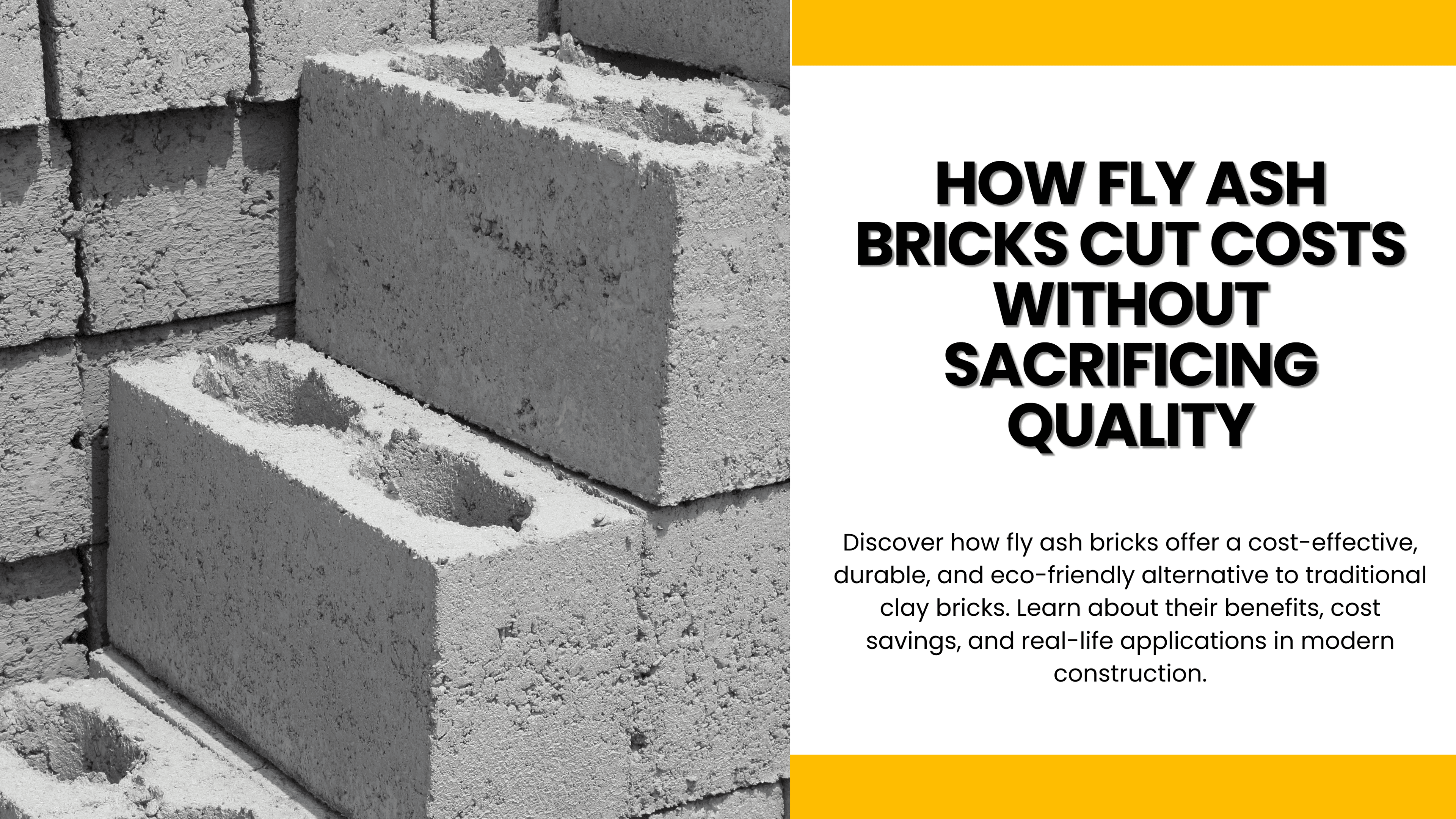
How Fly Ash Bricks Cut Costs Without Sacrificing Quality

Blog

How Fly Ash Bricks Cut Costs Without Sacrificing Quality

Introduction The construction industry is constantly evolving, with a growing focus on cost-effective and sustainable materials. Fly ash bricks have emerged as a game-changer in modern construction, offering affordable, durable, and eco-friendly solutions for builders and contractors. Made from industrial waste such as fly ash (a byproduct of coal combustion), these bricks provide significant cost savings while maintaining superior strength and durability compared to traditional clay bricks. In this blog, we’ll explore how fly ash bricks cut costs without sacrificing quality, making them the preferred choice for energy-efficient and sustainable construction. What Are Fly Ash Bricks? Fly ash bricks are eco-friendly alternatives to traditional clay bricks, made from fly ash, cement, sand, and water. They are cured under high pressure and temperature instead of kiln firing, reducing energy consumption and environmental impact. These bricks offer better strength, durability, and uniformity. With lower water absorption and excellent thermal insulation, they provide an efficient and sustainable choice for modern construction. The table below compares fly ash bricks with traditional clay bricks based on key factors like raw materials, strength, durability, and environmental impact.  Comparison: Fly Ash Bricks vs. Traditional Clay Bricks Feature Fly Ash Bricks Traditional Clay Bricks Raw Materials Fly ash, cement, sand Clay soil, topsoil Manufacturing Process Pressed & cured under controlled conditions Fired in kilns, requiring high-energy Strength & Durability Higher compressive strength (7-10 MPa) Lower compressive strength (3-5 MPa) Thermal Insulation Keeps interiors cooler Retains more heat Environmental Impact Uses industrial waste, reduces carbon footprint Destroys topsoil, emits pollutants Water Absorption Lower (10-15%) Higher (15-25%) Fly ash bricks outperform clay bricks in multiple ways, making them an ideal cost-effective, and sustainable choice for modern construction. Cost-Saving Aspects of Fly Ash Bricks Fly ash bricks offer an economical and sustainable alternative to traditional clay bricks, helping builders cut costs without compromising on quality. Here’s how they contribute to cost savings: 1. Lower Raw Material Costs One of the biggest advantages of fly ash bricks is their affordable raw materials. Since fly ash is a byproduct of coal-fired power plants, it is readily available at low or no cost. This drastically reduces the overall manufacturing expenses, making these bricks cheaper than traditional clay bricks. 2. Reduced Construction Costs Higher Strength – Fly ash bricks have a higher compressive strength, meaning fewer bricks are required per unit of construction. Uniform Shape & Size – Their precise dimensions reduce mortar consumption by up to 20-30%. Smoother Surface – Requires less plastering and finishing, saving on materials and labor costs. 3. Energy Efficiency in Production Unlike clay bricks, which are fired in kilns,  ash bricks are cured using steam or autoclaving, which consumes less energy. This not only reduces production costs but also makes them a greener alternative to traditional bricks. 4. Minimal Breakage & Wastage Fly ash bricks are stronger and more durable, which means: ✔ Lower breakage rates during transportation and handling. ✔ Less material wastage at the construction site. ✔ Fewer replacements over time, reducing long-term costs. By choosing fly ash bricks, builders can achieve significant savings in raw materials, labor, and maintenance costs. Quality Advantages of Fly Ash Bricks While cost savings are important, quality cannot be compromised. Here’s why fly ash bricks are an excellent investment for any construction project. 1. Superior Strength & Durability Fly ash bricks are known for their exceptional strength and long-lasting performance, making them a reliable choice for construction. Their robust composition ensures better load-bearing capacity and resistance to wear and tear over time. Higher Compressive Strength: With a compressive strength of 7-10 MPa, these bricks are stronger than traditional clay bricks, providing better resistance to damage and load-bearing stress. Non-Porous Surface: The low porosity prevents water damage, ensuring long-lasting structural stability and reducing maintenance costs. 2. Thermal Insulation & Energy Savings Fly ash bricks offer excellent thermal insulation, helping maintain comfortable indoor temperatures throughout the year. This reduces dependence on air conditioning and heating, leading to significant energy savings and lower electricity costs. Low Thermal Conductivity: Helps keep buildings cooler in summer and warmer in winter, reducing reliance on artificial heating and cooling. Lower Energy Consumption: Reduced electricity bills due to improved insulation, leading to long-term cost savings. 3. Eco-Friendliness & Sustainability Fly ash bricks are considered green building materials because of their minimal environmental impact. Their production process consumes less energy and emits fewer greenhouse gases, helping to reduce the overall carbon footprint and making them a more sustainable choice for construction. Additionally, fly ash bricks offer several environmental benefits that contribute to sustainable construction: Prevents Topsoil Depletion: No clay excavation is required to preserve agricultural land. Reduces Air Pollution: Unlike traditional bricks, these do not require burning in kilns, significantly cutting down carbon emissions. Utilizes Industrial Waste: Fly ash, a byproduct of thermal power plants, is effectively repurposed, reducing landfill waste. 4. Better Finish & Aesthetics Fly ash bricks have a smooth and uniform surface, reducing the need for excessive plastering and finishing work. Their precise dimensions ensure neat masonry, enhancing the overall visual appeal of the structure. Smooth Surface: Requires less plastering, speeding up construction and lowering costs. Uniform Size & Shape: Ensures neater masonry and better visual appeal. Lighter Weight: Easier to transport and handle, reducing labor effort and increasing work efficiency. Real-Life Applications & Case Studies Fly ash bricks are widely used in residential, commercial, and infrastructure projects due to their cost-effectiveness and durability. Many builders and government agencies prefer them for sustainable construction, reducing expenses while ensuring long-lasting structures. Residential Construction A builder in Delhi switched to fly ash bricks for a multi-story residential project and reported: 30% savings on mortar and plastering costs. Lower cooling expenses due to better thermal insulation. Commercial & Industrial Buildings A factory in Bangalore used these bricks for their warehouse and experienced: 20% reduction in overall material costs. Faster construction due to uniform brick sizes leads to lower labor costs. Government & Infrastructure Projects Cities like Mumbai and Chennai have mandated the use of fly ash bricks in public

Editor
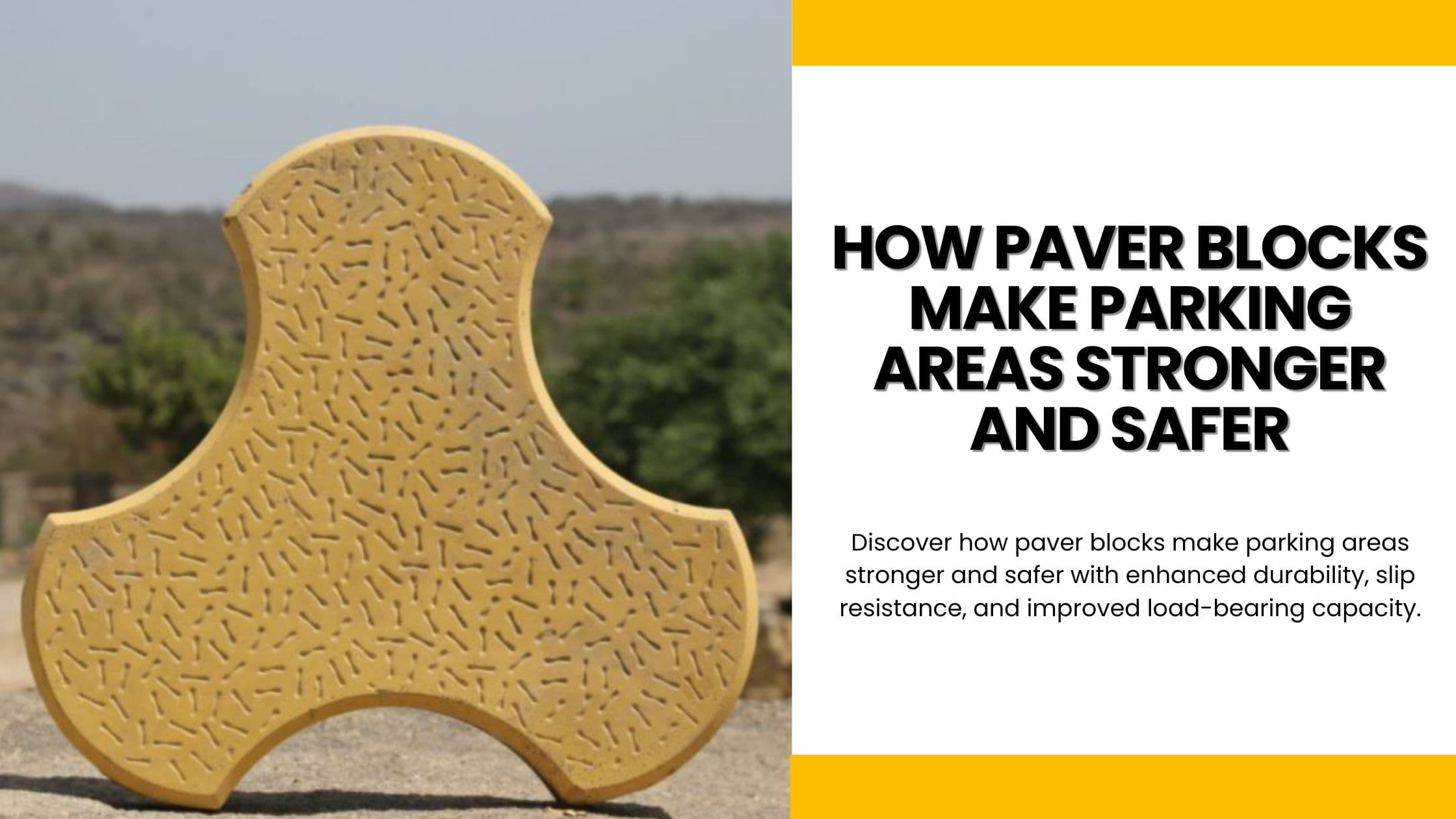
How Paver Blocks Make Parking Areas Stronger and Safer

Blog

How Paver Blocks Make Parking Areas Stronger and Safer

Parking areas are more than just functional spaces; they play a critical role in ensuring safety, durability, and ease of access for vehicles and pedestrians. Among the various materials used in constructing parking areas, paver blocks stand out as a reliable and efficient choice. At Raj Mineral, we specialize in providing high-quality paver blocks designed to withstand heavy loads and harsh conditions while enhancing the overall aesthetics and safety of parking spaces. This blog explores how paver blocks contribute to making parking areas stronger and safer. What are Paver Blocks? Paver blocks are precast concrete or stone units available in various shapes, sizes, and colors. Known for their interlocking design, these blocks create a robust surface that is both durable and visually appealing. Their ability to evenly distribute weight makes them ideal for parking areas, ensuring strength, stability, and longevity. Benefits of Paver Blocks in Parking Areas Enhanced Strength and Durability Paver blocks are designed to withstand heavy loads from vehicles of all sizes. Their interlocking system ensures a strong, stable surface that resists cracking, even under consistent pressure. Suitable for both light and heavy-duty parking areas. High resistance to wear and tear, making them ideal for high-traffic zones. Improved Safety Proper drainage is crucial to prevent water accumulation, which can lead to damage and accidents. Paver blocks allow water to seep through the joints, minimizing puddles and waterlogging. Prevents erosion and surface damage, keeping the parking area intact for longer. Excellent Drainage System Proper drainage is crucial to prevent water accumulation, which can lead to damage and accidents. Paver blocks allow water to seep through the joints, minimizing puddles and waterlogging. Prevents erosion and surface damage, keeping the parking area intact for longer. Easy Maintenance and Repairs Unlike traditional asphalt or concrete surfaces, paver blocks are easy to maintain: Damaged blocks can be replaced individually without disturbing the entire area. Their modular nature reduces repair costs and downtime. Aesthetic Appeal Paver blocks come in a variety of shapes, colors, and patterns, allowing for customized designs that enhance the visual appeal of parking spaces. Improves the overall look of commercial or residential properties. Adds value to the space by creating a professional and well-organized appearance. Applications of Paver Blocks in Parking Areas Aesthetic Appeal Paver blocks are ideal for residential complexes, offering a durable and attractive solution for personal and guest parking spaces. Commercial Parking In high-traffic zones like malls, offices, and shopping centers, paver blocks ensure the strength and stability needed to handle heavy loads. Public Parking Lots For public spaces, paver blocks provide a cost-effective and long-lasting solution, accommodating vehicles of all sizes. Why Choose Raj Mineral for Paver Blocks? At Raj Mineral, we are committed to delivering high-quality paver blocks that combine functionality, strength, and aesthetics. Here’s why we are the preferred choice for parking area projects: Durable Products: Our paver blocks are made from premium-grade materials, ensuring longevity and resistance to wear and tear. Variety of Options: We offer an extensive range of designs, sizes, and colors to suit every need. Eco-Friendly Practices: Our manufacturing processes prioritize sustainability, reducing the environmental impact. Expert Support: From selecting the right blocks to installation guidance, our team is here to help. Why Choose Raj Mineral for Paver Blocks? Regular Cleaning: Sweep and wash the surface to remove dirt, oil stains, and debris. Inspect for Damage: Periodically check for broken or loose blocks and replace them promptly. Weed Control: Remove weeds growing between the blocks to maintain their structure and appearance. Sealant Application: Apply sealants to enhance longevity and protect against stains. Conclusion Paver blocks are a game-changer for parking areas, offering unmatched strength, safety, and aesthetics. Whether for residential, commercial, or public spaces, their versatility and durability make them a preferred choice for modern construction projects. At Raj Mineral, we provide top-quality paver blocks designed to meet your parking area requirements. With our expertise and commitment to quality, you can ensure your parking spaces are stronger, safer, and more visually appealing. ALSO READ: Why Builders Are Choosing Fly Ash Bricks for Sustainable and Cost-Effective Construction Follow us on @rajmineral

Editor
How Crusher Stone Helps Build Stronger Roads

Blog

How Crusher Stone Helps Build Stronger Roads

Building strong and durable roads is essential for a country’s infrastructure and economic growth. A key component in constructing reliable roads is crusher stone, a versatile material that offers strength, stability, and cost-efficiency. At Raj Mineral, we specialize in supplying high-quality crusher stone to meet the demands of modern road construction. This blog explores the importance of crusher stone, its benefits, and its role in ensuring roads withstand the test of time and traffic. What is Crusher Stone? Crusher stone, also known as crushed stone, is produced by mechanically crushing larger stones into smaller, angular pieces. These stones are graded into various sizes, ranging from fine dust to larger aggregates, depending on the specific application. The unique angular shape of crusher stone makes it an excellent choice for road construction as it interlocks tightly, creating a strong and stable foundation. Benefits of Crusher Stone in Road Construction Superior Load-Bearing Capacity Crusher stone provides an exceptionally strong base for roads. Its angular shape allows for better compaction and load distribution, ensuring that the road can handle heavy traffic without deforming or cracking. Drainage Efficiency One of the challenges in road construction is preventing water accumulation. Crusher stone enhances drainage by allowing water to flow through the layers, reducing the risk of waterlogging and damage to the road. Durability and Longevity The tough and sturdy nature of crusher stone ensures that roads remain stable over time. Unlike other materials, it resists erosion and wear, making it ideal for roads in regions with heavy rainfall or extreme weather. Cost-Effective Solution Crusher stone is not only durable but also cost-efficient. Its availability and ease of transportation make it a preferred choice for large-scale road construction projects. Environmentally Friendly By using crusher stone derived from natural rock, road construction reduces the need for synthetic materials, contributing to sustainable and eco-friendly practices. Applications of Crusher Stone in Road Construction Sub-Base Layer The sub-base layer is crucial for a road’s stability and longevity. Crusher stone is often used in this layer to provide a strong foundation, ensuring the road can support heavy loads. Base Layer Placed above the sub-base, the base layer is another essential part of road construction. Crusher stone ensures this layer is compact and evenly distributed, minimizing the risk of road deformation. Asphalt and Concrete Roads Crusher stone is mixed with asphalt or concrete to create surfaces that are durable and resistant to wear. Its angular shape improves adhesion, resulting in a more robust finish. Road Shoulders The edges of roads, or shoulders, need to be stable to prevent vehicles from veering off. Crusher stone provides a solid foundation for these areas, enhancing overall safety. Why Choose Raj Mineral for Crusher Stone? At Raj Mineral, we understand the critical role crusher stone plays in road construction. Here’s why we are the trusted choice: Premium Quality: We supply high-grade crusher stone that meets industry standards for strength and durability. Wide Range: Our product range includes various sizes of crusher stone to suit diverse construction needs. Reliable Supply: With a robust supply chain, we ensure timely delivery to keep your projects on track. Eco-Friendly Practices: We adhere to sustainable mining and production practices, ensuring minimal environmental impact. Conclusion Crusher stone is an indispensable material in road construction, offering unmatched strength, durability, and cost-efficiency. From forming sturdy foundations to enhancing drainage, its role in building stronger roads is undeniable. At Raj Mineral, we take pride in supplying the best crusher stone for projects of all scales. If you’re planning a road construction or improvement project, trust us to deliver high-quality materials that ensure success. Ready to build stronger and more durable roads? Contact Raj Mineral today for premium crusher stone and expert guidance on your construction needs. ALSO READ: Why Builders Are Choosing Fly Ash Bricks for Sustainable and Cost-Effective Construction Follow us on @rajmineral

Editor
Fly Ash Bricks for Sustainable Construction

Blog

Why Builders Are Choosing Fly Ash Bricks for Sustainable and Cost-Effective Construction

In the ever-evolving construction industry, the demand for materials that are both eco-friendly and economical is at an all-time high. Fly Ash Bricks have emerged as a popular choice for sustainable construction, providing builders with a reliable, durable, and affordable alternative to traditional clay bricks. These bricks are made from a blend of fly ash, cement, and water, offering a host of benefits for modern construction projects.  This blog explores why fly ash bricks are gaining traction among builders, their role in promoting cost-effective construction, and how they align with the principles of sustainable building materials. What Are Fly Ash Bricks? Fly ash bricks are manufactured using fly ash, a by-product of coal combustion in thermal power plants, combined with cement or lime and water. These bricks are cured using steam or air-drying methods, reducing the need for energy-intensive processes associated with traditional brick-making. Features of Fly Ash Bricks: High Strength: Provides excellent compressive strength. Smooth Finish: Requires minimal plastering. Eco-Friendly: Made from industrial waste, reducing environmental pollution. Advantages of Fly Ash Bricks Builders are increasingly opting for fly ash bricks due to their unique advantages. Sustainability in Construction Incorporating sustainable construction materials is no longer optional—it’s a necessity. Fly ash bricks support eco-friendly construction by: Reducing Waste: Utilizes fly ash, a by-product of power plants, which would otherwise be discarded as waste. Lowering Carbon Footprint: Requires less energy to produce than clay bricks, significantly reducing greenhouse gas emissions. Conserving Natural Resources: Unlike traditional bricks, they do not require soil excavation, preserving agricultural land. Cost-Effective Construction Fly ash bricks offer significant cost advantages over other materials. Affordable Production: Made from industrial by-products, the raw materials for fly ash bricks are readily available at a lower cost. Reduced Mortar Usage: The uniform size and smooth finish of fly ash bricks reduce the amount of mortar needed for plastering and masonry work. Energy Efficiency: Their thermal insulation properties reduce energy costs for heating and cooling buildings. Durability and Strength Builders prioritize materials that ensure structural integrity and longevity. Fly ash bricks deliver on both fronts: High Compressive Strength: Ensures that structures built with fly ash bricks can withstand heavy loads. Resistance to Moisture: Reduces water absorption, preventing dampness and efflorescence. Longevity: Does not warp or crack, ensuring durability over time. Improved Workability Fly ash bricks simplify the construction process in several ways: Uniform Shape and Size: Leads to easier stacking and alignment during construction. Lighter Weight: Reduces transportation and handling costs, making them ideal for large projects. Versatility: Can be used for load-bearing and non-load-bearing walls. Applications of Fly Ash Bricks 1. Residential Construction Builders of homes and apartments increasingly use cement fly ash bricks for walls and partitioning due to their affordability and aesthetic finish. 2. Commercial Buildings Fly ash bricks are widely used in office complexes, malls, and other commercial structures, thanks to their strength and thermal insulation properties. 3. Infrastructure Projects Fly ash bricks are a go-to choice for large-scale projects like bridges, highways, and industrial complexes, where durability is paramount. Fly Ash Bricks: A Sustainable Building Solution Sustainability is a key driver of innovation in the construction industry, and fly ash bricks are at the forefront of this movement. Here’s how they contribute to sustainable building materials practices: 1. Reduction in Air Pollution Traditional clay brick production involves burning fossil fuels, releasing harmful emissions. Fly ash bricks eliminate this step, contributing to cleaner air. 2. Efficient Waste Management By repurposing fly ash, these bricks prevent the accumulation of industrial waste, reducing the strain on landfills. 3. Lower Energy Consumption The production process for fly ash bricks requires less energy compared to conventional bricks, aligning with the principles of sustainable construction materials. Economic Benefits of Fly Ash Bricks Using fly ash bricks not only benefits the environment but also offers substantial economic advantages for builders: Lower Material Costs: Builders save on raw materials and mortar due to the efficiency of fly ash bricks. Reduced Construction Time: The uniformity of these bricks speeds up the building process. Increased ROI: Lower initial costs and long-term savings make fly ash bricks a financially sound choice. Why Builders Prefer Fly Ash Bricks Over Clay Bricks Fly Ash Bricks vs Traditional Clay Bricks Feature Fly Ash Bricks Traditional Clay Bricks Environmental Impact Eco-friendly, uses industrial waste High environmental impact due to soil erosion Production Process Energy-efficient, no burning required Energy-intensive, involves burning Strength and Durability High compressive strength, long-lasting Lower strength, prone to cracks Cost Cost-effective in the long run Higher cost due to traditional processes How Raj Mineral Leads the Way Raj Mineral is a trusted name in providing high-quality fly ash bricks for builders across various sectors. Here’s why you should choose Raj Mineral for your construction needs: 1. Commitment to Quality Raj Mineral ensures that its fly ash bricks meet the highest standards of strength, durability, and sustainability. 2. Eco-Friendly Practices By sourcing and manufacturing sustainable materials, Raj Mineral supports environmentally responsible construction. 3. Affordable Solutions With competitive pricing, Raj Mineral makes cost-effective construction accessible for projects of all sizes. 4. Reliable Supply Chain Raj Mineral offers timely delivery and consistent supply, ensuring that your construction projects stay on schedule. Conclusion Builders are increasingly choosing fly ash bricks for their ability to combine sustainable construction with cost-effective construction. Their eco-friendliness, strength, and affordability make them the ideal choice for projects of all sizes. As a leading supplier of sustainable building materials, Raj Mineral is committed to helping builders achieve their goals while prioritizing the environment. Whether you’re working on a residential, commercial, or industrial project, Raj Mineral’s fly ash bricks provide the perfect balance of quality and sustainability. Get in touch with Raj Mineral today to explore how fly ash bricks can transform your next construction project!  ALSO READ: Understanding the Differences: Fly Ash Bricks and Cemented Bricks Follow us on @rajmineral

Editor
Paving Solutions for Your Property

Blog

How to Choose Durable and Sustainable Paving Solutions for Your Property

When it comes to enhancing the functionality and aesthetics of your property, selecting the right paving solution is crucial. Whether it’s a residential driveway, a commercial pathway, or a public space, choosing durable and sustainable options can save you money, reduce environmental impact, and ensure long-lasting results. This blog will guide you through the key factors to consider when selecting durable paving and sustainable paving solutions for your property, along with insights into the benefits of eco paving solutions and best practices for paving installation. Why Durable and Sustainable Paving Matters Durability and sustainability are essential qualities of any paving solution for the following reasons: Cost-Effectiveness Durable materials require fewer repairs, reducing long-term costs. Sustainable options often come with energy-saving or maintenance-reducing benefits. Environmental Responsibility Sustainable paving minimizes resource depletion and reduces carbon footprint. Enhanced Property Value Well-paved areas boost the aesthetic and functional appeal of your property, increasing its market value. Types of Paving Solutions 1. Concrete Paving Durability: Known for its strength and resilience. Sustainability: Can be made eco-friendly by using recycled aggregates or fly ash in the mix. Applications: Driveways, walkways, parking lots. 2. Brick Paving Durability: Highly durable with proper maintenance. Sustainability: Clay bricks are natural and recyclable, making them a green choice. Applications: Residential patios, garden pathways. 3. Stone Paving Durability: Excellent resistance to wear and weather. Sustainability: Natural stone options like granite or sandstone are long-lasting and eco-friendly. Applications: Luxury driveways, outdoor flooring. 4. Permeable Paving Durability: Designed to withstand heavy use while allowing water to drain through. Sustainability: Prevents water runoff and supports groundwater replenishment. Applications: Urban spaces, commercial parking lots, eco-friendly homes. Factors to Consider When Choosing a Paving Solution Durability Durability is critical to ensure the longevity of your paved surfaces. Look for materials that can withstand: Weather Conditions: Extreme heat, cold, or rainfall. Traffic Loads: Heavy foot traffic, vehicles, or machinery. Sustainability Opt for eco paving solutions that align with your environmental goals. Recycled Materials: Use pavers made from recycled or reclaimed materials. Permeability: Choose paving systems that reduce water runoff and allow natural drainage. Aesthetic Appeal The design and appearance of your paving should complement your property. Consider: Color: Neutral or vibrant tones depending on your preference. Pattern: Uniform layouts or intricate designs for a personalized look. Cost Evaluate both initial installation costs and long-term maintenance expenses. Durable materials may have a higher upfront cost but offer better value over time. Ease of Installation Some materials require specialized paving installation techniques, which can increase costs. Consult professionals like Raj Mineral for expert guidance. Benefits of Sustainable Paving Incorporating sustainable paving options offers numerous advantages: 1. Environmentally Friendly Sustainable materials reduce reliance on non-renewable resources and minimize environmental damage. 2. Improved Water Management Permeable pavements prevent waterlogging, reduce erosion, and promote groundwater recharge. 3. Energy Efficiency Some eco-friendly paving options, like light-colored pavers, reduce heat absorption, lowering cooling costs in surrounding areas. 3. Waste Reduction Using recycled materials for paving helps divert waste from landfills. Best Practices for Paving Installation Proper paving installation is crucial for ensuring the durability and effectiveness of your chosen solution. 1. Site Preparation Clear the area of debris, vegetation, and existing surfaces. Level the ground and ensure proper grading for drainage. 2. Base Layer Installation Lay a solid base layer of gravel or sand to provide stability and prevent shifting. Compact the base thoroughly to ensure a firm foundation. 3. Edge Restraints Install edge restraints to prevent pavers from spreading or shifting over time. 4. Paver Placement Lay pavers according to your chosen pattern, ensuring even spacing. Use spacers for uniformity if required. 5. Sealing and Finishing Apply a sealant to protect the surface and enhance durability. Fill gaps with sand or other joint materials to lock pavers in place.   For professional installation, rely on experienced providers like Raj Mineral, who ensure precision and quality at every step. Why Choose Raj Mineral for Your Paving Needs? Raj Mineral is a trusted name in providing top-quality paving solutions for residential, commercial, and industrial applications. Here’s why builders and property owners rely on Raj Mineral: Wide Range of Materials From concrete to natural stone, Raj Mineral offers a diverse selection of durable and sustainable paving options. Eco-Friendly Practices Committed to sustainability, Raj Mineral provides eco paving solutions made from recycled and natural materials. Expert Guidance With years of experience, Raj Mineral’s team helps you choose the best paving solution tailored to your property’s needs. Quality Assurance Raj Mineral guarantees high-quality materials and professional paving installation services for long-lasting results. Conclusion Choosing the right paving solution is a balance between durability, sustainability, and aesthetics. By focusing on long-lasting materials and eco-friendly practices, you can create spaces that are both functional and environmentally responsible. For reliable and high-quality paving solutions, trust Raj Mineral to deliver exceptional products and services tailored to your needs. Contact us today to explore how our durable paving and sustainable paving options can transform your property! ALSO READ: Paver Blocks vs Concrete: Which is Best for Your Landscaping Project? Follow us on @rajmineral

Editor
Interlocking Pavers Are Ideal for Driveways and Heavy Traffic Areas

Blog

Why Interlocking Pavers Are Ideal for Driveways and Heavy Traffic Areas

When designing driveways or areas that endure heavy foot or vehicle traffic, selecting the right material is essential for both durability and aesthetics. Interlocking pavers have become a popular choice for driveways and high-traffic zones due to their unique blend of strength, flexibility, and visual appeal. At Raj Mineral, we supply high-quality interlocking pavers and building stones that are ideal for such applications, providing clients with reliable solutions for beautiful and long-lasting surfaces. In this article, we explore what makes interlocking pavers for driveways and heavy traffic areas an excellent choice, including their benefits, installation process, and how to maintain them for years of use. What Are Interlocking Pavers? Interlocking pavers are specially designed stones or concrete blocks that fit together tightly, similar to a puzzle, creating a sturdy surface without the need for mortar. This interlocking mechanism, combined with the flexibility in design, makes these pavers an attractive option for areas that handle significant weight and movement, such as driveways, patios, walkways, and commercial pathways. Interlocking pavers come in a variety of shapes, sizes, colors, and textures, making it easy to create custom patterns and designs that complement any landscape. Benefits of Interlocking Pavers for Driveways and Heavy Traffic Areas Interlocking pavers offer numerous advantages over traditional driveway materials like asphalt, concrete, or gravel. Here are some of the top reasons why interlocking driveway pavers are ideal for driveways and high-traffic areas: Exceptional Durability and Load-Bearing Capacity Strength for Heavy Loads: Interlocking pavers are designed to withstand heavy loads, making them perfect for driveways where vehicles are frequently parked or driven over. High Impact Resistance: These pavers are made to be durable and resist the impact and pressure of high foot and vehicle traffic, ensuring they maintain their structural integrity over time. Flexibility and Movement Adaptable Surface: Unlike solid concrete slabs, interlocking pavers can move slightly without cracking. This flexibility allows them to adapt to ground shifts, temperature changes, and heavy loads without damage. Prevents Cracking: Interlocking pavers distribute weight more evenly across their surface, which helps prevent cracks that can occur in rigid materials like poured concrete. Easy Repair and Replacement Individual Replacement: If a paver becomes damaged, it can be replaced individually without disturbing the entire driveway. This reduces repair costs and extends the life of the driveway. Minimal Downtime: Repairs can be completed quickly, often without the need for specialized tools, making it easy to maintain a flawless look even after years of use. Enhanced Aesthetic Appeal Wide Range of Designs: Interlocking pavers are available in numerous shapes, sizes, and colors, allowing for endless customization. Homeowners and designers can create unique patterns that enhance the visual appeal of the driveway or pathway. Natural Stone Look: At Raj Mineral, our interlocking pavers come in styles that mimic natural stone, providing an elegant, high-end look that complements any architecture or landscape design. Slip-Resistant Surface Textured Finish for Safety: The surface of interlocking pavers is often textured, providing a natural grip that reduces the risk of slipping. This is particularly beneficial in areas that may become wet, such as driveways and pathways near gardens or pools. Ideal for All Weather Conditions: The slip-resistant nature of these pavers makes them safer in rainy or icy conditions, offering peace of mind in various weather scenarios. Environmental Benefits Permeable Surface: Many interlocking pavers allow water to seep through the gaps between them, promoting natural drainage and reducing the risk of flooding or pooling on the surface. Eco-Friendly Options: Some interlocking pavers are made from recycled materials, making them a sustainable choice for environmentally-conscious homeowners and businesses. The Process of Interlocking Paver Installation Proper installation is key to maximizing the benefits of interlocking pavers. Here’s a step-by-step look at how interlocking paver installation is typically done: Step 1: Preparation and Planning Design Selection: Before installation begins, choose the design, pattern, and type of interlocking pavers that fit your aesthetic and functional needs. Site Preparation: The driveway or pathway area must be cleared of any debris, vegetation, or old materials. The ground is then leveled and compacted to ensure a stable base. Step 2: Creating the Base Gravel Base Layer: A layer of crushed stone or gravel is added to create a stable foundation for the pavers. This base layer is compacted to provide a firm foundation that can handle heavy loads. Sand Layer: A layer of sand is spread evenly over the gravel base. This sand acts as a cushioning layer for the pavers and helps with leveling during installation. Step 3: Laying the Pavers Starting from the Edge: The pavers are laid in the chosen pattern, typically starting from one edge of the area and working across. Maintaining Consistent Gaps: As each paver is placed, a small gap is maintained to allow for jointing sand. This helps achieve the interlocking effect that provides stability to the entire surface. Step 4: Adding Jointing Sand Filling the Gaps: Jointing sand is spread over the surface and swept into the gaps between each paver. This sand acts as a bond, holding the pavers together and enhancing the interlocking effect. Final Compaction: After the sand is applied, the surface is compacted again to lock the pavers into place. This step ensures a stable, smooth surface. Step 5: Sealing (Optional) Applying a Sealant: While optional, sealing the pavers can protect them from stains, enhance their color, and provide an added layer of durability. Sealants are especially useful in driveways that experience high traffic or exposure to oil and grease from vehicles. Maintenance Tips for Long-Lasting Interlocking Driveway Pavers Interlocking pavers are low-maintenance compared to other driveway materials, but routine upkeep can help them last even longer. Here are some maintenance tips to keep your interlocking driveway pavers looking pristine: Regular Sweeping: Removing dirt, leaves, and debris helps prevent stains and keeps the pavers looking clean. Power Washing: Periodic power washing removes built-up grime and maintains the color and appearance of the pavers. Weed Control: Use weed control treatments to prevent weeds from growing between the pavers,

Editor
Quality Stone Supply

Blog

Why Raj Mineral Stands Out in Quality Stone Supply: A Deep Dive

When it comes to construction, high-quality materials are essential for creating durable and resilient structures. At Raj Mineral, we provide a comprehensive range of building materials tailored to meet the specific needs of residential, commercial, and infrastructural projects. Known for delivering reliable products like fly ash cement bricks, M-sand, interlocking paver blocks, and crusher stone grit, Raj Mineral is a trusted supplier in the industry, offering materials that meet the highest standards of quality, strength, and sustainability. This blog explores why Raj Mineral is a preferred choice for quality stone and construction material supply, highlighting our product range, dedication to quality, and commitment to client satisfaction. The Importance of Quality Stone Supply in Construction High-quality building materials form the backbone of any construction project. Whether it’s for foundational strength, exterior finishes, or functional paving, using the right materials ensures that structures can withstand the test of time and endure varying weather conditions. Inferior materials can lead to structural issues, higher maintenance costs, and even safety risks. Raj Mineral understands the importance of quality and offers materials that meet strict quality standards, ensuring that every project we supply is built to last. What Sets Raj Mineral Apart as a Quality Stone Supplier? At Raj Mineral, our focus on quality construction materials is at the core of everything we do. Here’s what makes us stand out in the industry: Commitment to Sourcing and Quality Control High-Quality Raw Materials: We source materials from reputable suppliers to ensure that our products—such as M-sand, fly ash cement bricks, interlocking paver blocks, and crusher stone grit—meet strict industry standards for quality. Rigorous Quality Checks: Every batch undergoes comprehensive inspections to ensure strength, uniformity, and consistency. This attention to quality helps us provide materials that builders and contractors can rely on for all types of construction projects. Diverse Range of Essential Construction Materials Fly Ash Cement Bricks: Made from fly ash, a byproduct of coal combustion, these bricks offer strength, durability, and eco-friendliness. They are known for their load-bearing capacity and resistance to moisture, making them suitable for various structural applications.   M-Sand (Manufactured Sand): As a high-quality alternative to river sand, M-sand provides the grain consistency needed for concrete and mortar applications. M-sand’s consistent quality and grading make it an excellent choice for construction, promoting eco-friendly practices by reducing dependency on river sand.   Interlocking Paver Blocks: Ideal for outdoor paving in areas like pathways, driveways, and public spaces, our interlocking paver blocks are durable and weather-resistant. Their interlocking design provides stability and ease of installation, reducing project timelines and labor costs.   Crusher Stone Grit: Used as a base material for construction and road projects, crusher stone grit provides a sturdy foundation that enhances the structural stability of the finished project. Expert Guidance and Customer Service Knowledgeable Team: Our team is well-versed in construction materials and helps clients choose the right products based on project specifications, budget, and performance requirements. Transparent Processes: We believe in transparency at every step, from consultation to delivery. This approach has earned us long-term relationships with clients who trust us for consistent quality and dependable service. Sustainable and Eco-Friendly Practices Environmentally Conscious Sourcing: Raj Mineral is committed to sustainable practices, sourcing materials that are eco-friendly and reducing the environmental impact of construction.   Efficient Operations: We strive to minimize waste and maximize resource use throughout our operations, maintaining high standards in environmental responsibility and efficiency. A Closer Look at Raj Mineral’s Range of Construction Materials At Raj Mineral, we offer a range of building materials that cater to various construction needs, providing solutions for both structural stability and aesthetic appeal. Here’s an in-depth look at our primary products: Fly Ash Cement Bricks Eco-Friendly and Strong: Made from fly ash, cement, and other additives, these bricks are known for their strength, resistance to moisture, and thermal insulation properties. Fly ash cement bricks are a sustainable alternative to traditional clay bricks. Applications: Ideal for load-bearing walls, partition walls, and other structural elements, they contribute to sustainable construction practices while providing reliable strength. M-Sand (Manufactured Sand) Consistency and Quality: M-sand is produced by crushing hard granite, ensuring a consistent grain size and shape that make it perfect for concrete, mortar, and plastering. Environmentally Friendly: As an alternative to natural river sand, M-sand helps conserve natural resources and reduces the environmental impact of construction. Applications: Used extensively in concrete production, masonry, and plastering, M-sand offers high durability and strength for various structural and finishing applications. Interlocking Paver Blocks Durable and Aesthetic: These paver blocks are designed for durability, making them ideal for driveways, pathways, and patios. Their interlocking feature provides additional stability and reduces the need for mortar. Versatile Designs: Available in a range of colors, shapes, and sizes, interlocking paver blocks add aesthetic appeal to any outdoor space, whether it’s a commercial plaza or a residential pathway. Applications: Used in landscaping, pathways, parking areas, and outdoor spaces, these paver blocks are both functional and decorative, enhancing the visual appeal of any project. Crusher Stone Grit Foundation Stability: Crusher stone grit is a base material often used in road construction, concrete mixing, and other foundational applications. Its coarse texture provides strength and stability, making it essential for construction projects that demand durability. Applications: Crusher stone grit is suitable for creating stable foundations for roads, pathways, building pads, and concrete structures, providing reliable support to the finished project. Why Quality Matters: The Long-Term Impact of Using High-Quality Materials Using quality construction materials has long-term benefits that go beyond initial project costs. Here are a few reasons why investing in high-quality materials from Raj Mineral is a wise choice: Durability and Structural Integrity: High-quality materials contribute to the stability of a structure, reducing the likelihood of cracks, erosion, or degradation over time. Lower Maintenance Costs: Durable materials require less frequent repairs and maintenance, saving money in the long run. Enhanced Property Value: Quality materials add to the property’s value by improving both aesthetic appeal and structural integrity, making it more attractive to potential buyers or

Editor
Fly Ash Bricks in Construction

Blog

Why Fly Ash Bricks Are the Future of Sustainable Building Materials

As the world becomes more aware of the need to protect the environment, the construction industry is shifting its focus toward sustainable building materials. One material that’s leading this change is fly ash bricks. These bricks, made from waste materials, are not only eco-friendly but also offer plenty of benefits for modern construction projects. But what exactly are Fly Ash Bricks in Construction? Why are they becoming the go-to choice for builders looking to create sustainable structures? Let’s dive into the details and explore why fly ash bricks are being hailed as the future of building materials. What Are Fly Ash Bricks? Fly ash bricks, sometimes called fly ash blocks, are bricks made from fly ash, a by-product of burning coal in power plants. Instead of dumping fly ash in landfills, it’s mixed with water, quicklime, and other materials to form bricks. These bricks are then cured (either by steam or pressure) to give them their shape and strength. Unlike traditional clay bricks, which require large amounts of energy to fire in kilns, fly ash bricks are made using less energy, making them a more sustainable option. Plus, they help reduce the amount of industrial waste that ends up in landfills. How Fly Ash Bricks Are Made The process of making fly ash bricks is straightforward, but it’s also much more eco-friendly than the traditional brick-making process. Here’s a quick look at how they’re made: Mixing the Materials: Fly ash is mixed with water, quicklime, and sometimes gypsum or cement. This forms a thick paste that can be molded into bricks. Molding: The paste is then poured into molds that give the bricks their shape. The molds can create different sizes and shapes of bricks, depending on the project’s needs. Curing: Instead of being fired in a kiln like clay bricks, fly ash bricks are cured using either steam or pressure. This process is much less energy-intensive, which helps reduce the carbon footprint of the bricks. Final Product: Once cured, the bricks are ready for Fly Ash Bricks in Construction projects. Their strength and durability make them suitable for structural applications. The entire process consumes less energy and creates fewer carbon emissions than making traditional clay bricks, which is why fly ash bricks are seen as a greener option for construction. Why Are Fly Ash Bricks Better for the Environment? When it comes to sustainable building materials, fly ash bricks tick all the right boxes. Here’s why: Waste Reduction: Fly ash is a waste product of coal-fired power plants. By using it to make bricks, we’re preventing that waste from ending up in landfills. Instead of polluting the environment, it’s being recycled into something useful. Lower Energy Consumption: The production process for fly ash bricks uses less energy than making traditional clay bricks. Since the bricks aren’t fired in a kiln, there’s no need to burn large amounts of fuel to produce them. This means fewer greenhouse gases are released into the atmosphere. Fewer Natural Resources Needed: Traditional clay bricks require the excavation of large amounts of clay, which depletes valuable topsoil. Fly ash bricks, on the other hand, don’t require any new natural resources, they’re made entirely from waste materials. Reduced Carbon Footprint: Thanks to the lower energy usage and the recycling of industrial waste, fly ash bricks have a smaller carbon footprint compared to other building materials. This makes them a much more environmentally friendly option. Benefits of Fly Ash Bricks in Construction So, we know fly ash bricks are better for the environment—but what about their performance in construction? The good news is, they’re not just eco-friendly; they’re also incredibly practical and offer a range of benefits for builders and homeowners alike. Let’s take a closer look at some of the advantages of using fly ash Bricks in construction projects.  Strength and Durability Fly ash bricks are incredibly strong and durable. They have a higher compressive strength than traditional clay bricks, which means they can withstand more pressure and are less likely to crack or crumble over time. This makes them ideal for use in load-bearing walls and other structural applications. Plus, their durability means that buildings made with fly ash bricks are likely to last longer, reducing the need for repairs and replacements. In the long run, this can save both time and money for homeowners and builders. Better Resistance to Moisture One common problem with traditional bricks is that they can absorb moisture, which can lead to issues like efflorescence (white patches on the surface of bricks) and structural damage. Fly ash bricks, however, are more resistant to moisture. They absorb less water, which helps prevent these issues and keeps buildings in better condition for longer. Thermal Insulation Fly ash bricks offer excellent thermal insulation properties. This means that buildings constructed with these bricks can stay cooler in the summer and warmer in the winter, reducing the need for heating and cooling systems. As a result, fly ash bricks can help lower energy consumption in buildings, leading to reduced utility bills and a smaller environmental impact. Fire Resistance Fly ash bricks are highly fire-resistant, which makes them a safer choice for building projects. In the event of a fire, buildings made from fly ash blocks are less likely to suffer severe damage, and the spread of fire can be slowed down. This is a significant safety advantage for both residential and commercial buildings. Cost-Effective Because fly ash bricks are made from waste materials and require less energy to produce, they’re often more cost-effective than traditional clay bricks. This makes them an attractive option for builders looking to reduce costs while still using high-quality materials. Plus, their durability means fewer repairs and replacements, which can save money in the long run. Comparing Fly Ash Bricks to Other Building Materials When it comes to sustainable building materials, fly ash bricks aren’t the only option out there. So, how do they stack up against other materials like concrete blocks or traditional clay bricks? 1. Fly Ash Bricks

Editor
Call Now