Raj Mineral Logo
HomeAbout Us
Plants & ProductsBlogsContact Us
Blogs

Articles and Updates

Insights from Raj Mineral on products, construction materials, and practical site use.

Fly Ash Bricks || Fly Ash Bricks in Udaipur ||

Blog

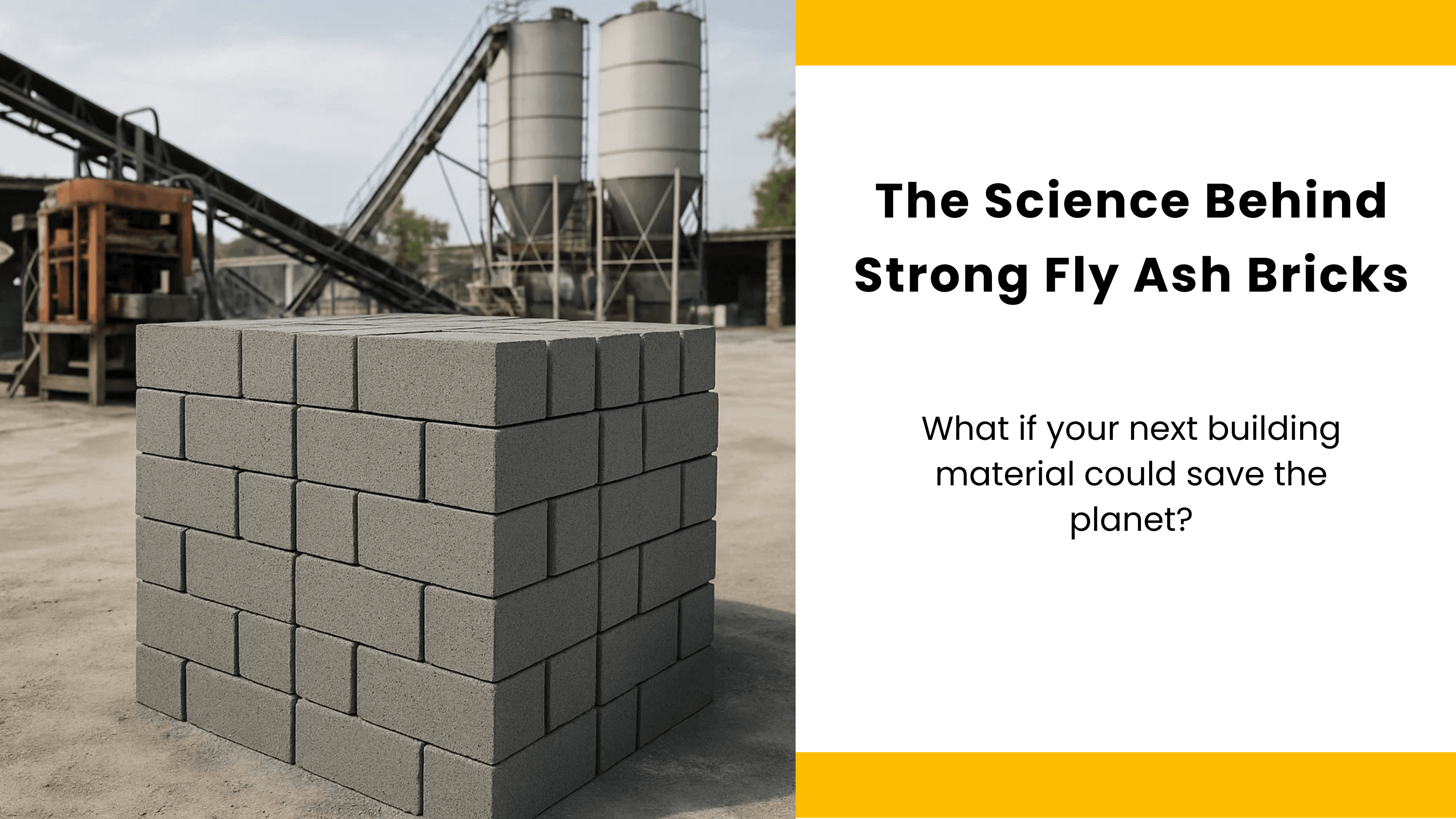
The Science Behind Strong Fly Ash Bricks

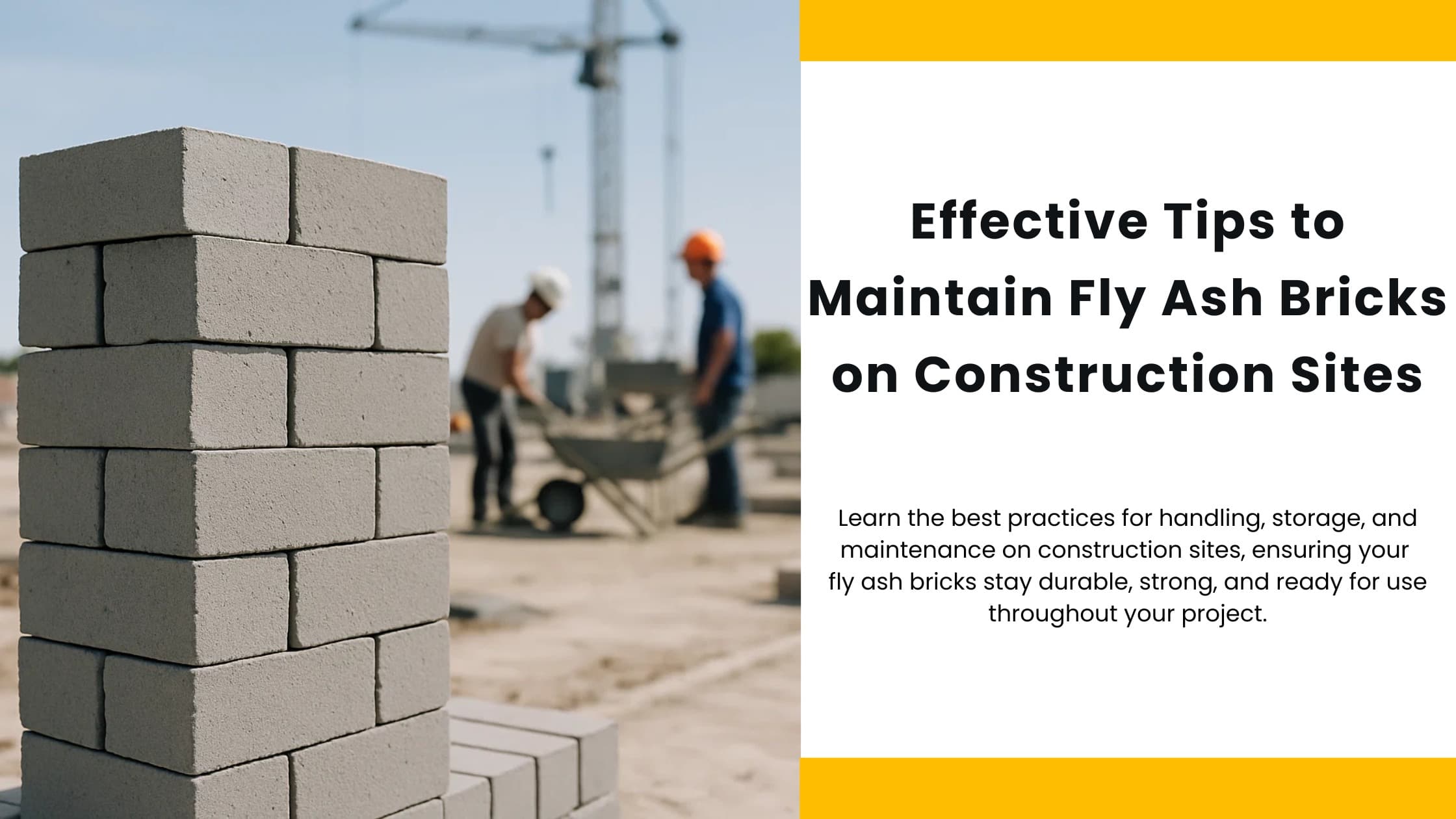
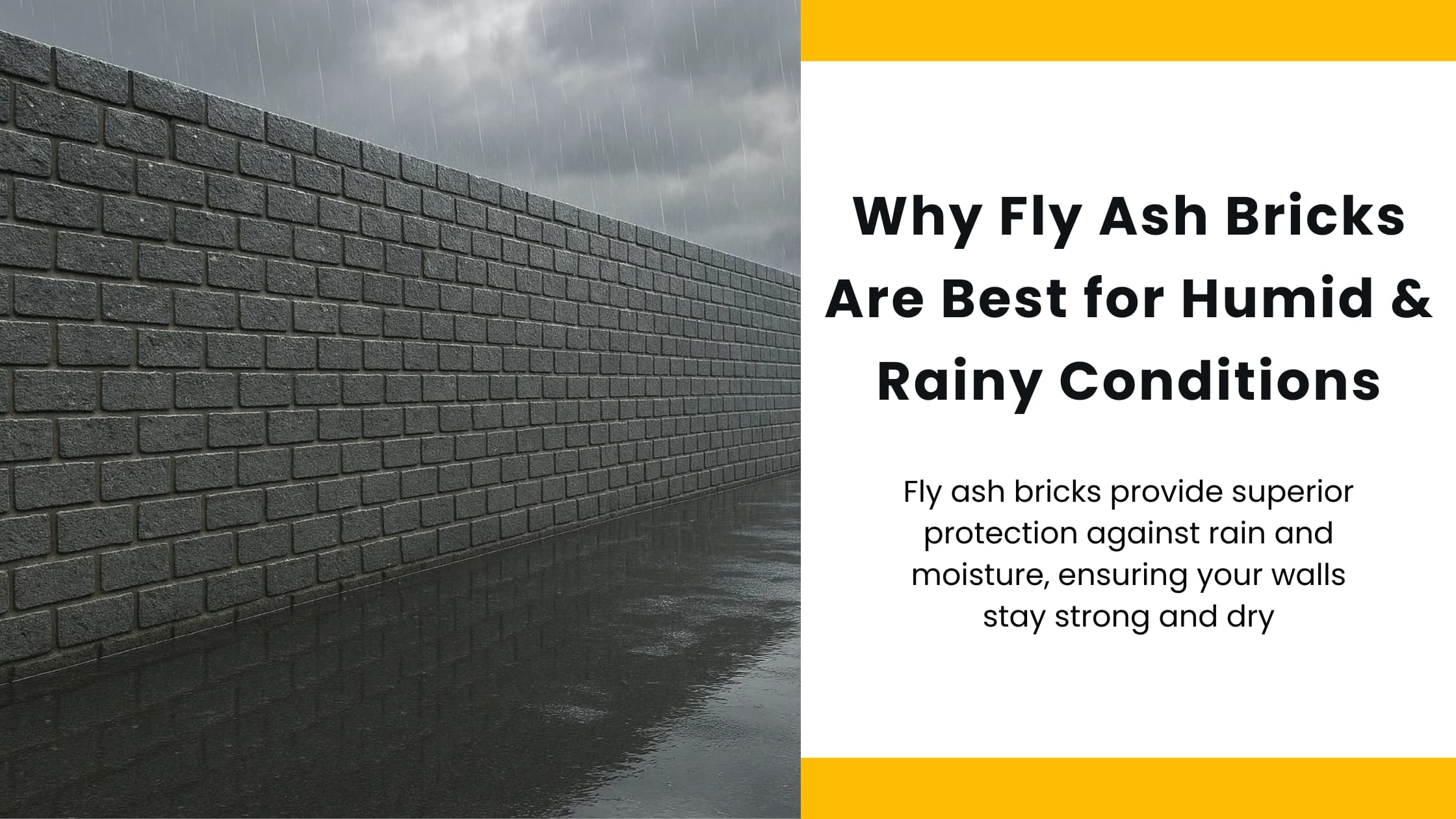
Building Smarter with Fly Ash Bricks: A Sustainable Construction Revolution The construction industry is rapidly embracing eco-friendly building solutions that combine sustainability with durability. Among these innovations, fly ash bricks have emerged as a leading choice for eco-conscious builders and developers. These bricks not only reduce environmental impact by utilizing industrial waste but also offer superior strength and performance compared to traditional clay bricks. Understanding the scientific principles behind their remarkable durability is essential for making informed decisions in construction projects. In this blog, we explore the composition, strength mechanisms, and applications of fly ash bricks, highlighting why they are becoming the preferred construction bricks in Udaipur and beyond. What Are Fly Ash Bricks? Fly ash bricks are a type of construction brick made primarily from fly ash — a byproduct of coal combustion in thermal power plants — combined with cement or lime, gypsum, and sand. These ingredients work synergistically to form a dense, strong, and thermally efficient building block. Fly Ash: Provides pozzolanic properties that chemically react with lime to form strong binding compounds. Cement/Lime: Acts as a binder, ensuring cohesion and structural integrity. Gypsum: Helps control setting time and contributes to durability. Sand: Adds bulk and reduces shrinkage during curing. The careful blend of these materials results in bricks with low water absorption rates and excellent thermal insulation properties, making them ideal for the diverse climate conditions in Rajasthan. This composition ensures durability and longevity, outperforming many conventional bricks on strength and sustainability metrics.  The Science Behind Their Strength The exceptional strength of fly ash bricks is primarily due to the pozzolanic reaction—the chemical process where silica and alumina in the fly ash react with calcium hydroxide from lime or cement in the presence of water to form calcium silicate hydrate (CSH). CSH is a strong binding phase responsible for enhancing the compressive strength of the bricks. Compared to red clay bricks, fly ash bricks exhibit: Higher compressive strength: Due to their dense matrix and enhanced bonding. Lower porosity: Resulting in less permeability and higher durability. Better uniformity: Leading to improved load distribution and fewer weaknesses. Proper curing and autoclaving processes are crucial for maximizing this strength, as they ensure thorough hydration and chemical reactions within the brick matrix. The outcome is a fly ash brick that performs excellently in load-bearing structures, making them a reliable choice for various construction demands. Key Advantages of Using Fly Ash Bricks Fly ash bricks offer multiple benefits that make them a superior alternative to traditional building materials: High compressive strength ensures structural stability and longevity. Environmentally friendly: They repurpose industrial waste, reducing landfill burden and preserving natural resources. Uniform shape and size allow for precision in construction, reducing mortar usage. Fire resistance & thermal insulation provide safety and energy efficiency. Low water absorption prevents dampness and reduces maintenance needs. These properties make fly ash bricks a smart choice for sustainable construction, especially favorable in hot regions like Rajasthan, where thermal regulation is critical. Applications in Modern Construction Fly ash bricks are versatile and suitable for: Residential, commercial, and industrial buildings. Load-bearing and non-load-bearing walls. Multi-story constructions, boundary walls, and partition walls. Their lightweight nature, combined with high strength, makes them especially preferred in Rajasthan’s climate, aiding in energy efficiency and reducing the overall environmental footprint of the constructed buildings. Why Quality Matters: Choosing the Right Supplier Quality is paramount when selecting fly ash bricks. Low-quality bricks may suffer from cracking, reduced strength, and poor durability, compromising the safety and aesthetics of constructions. Compliance with IS codes and thorough quality testing ensures the bricks meet the required standards. Raj Mineral stands out as a trusted fly ash brick supplier in Udaipur and Rajasthan, with decades of experience since the 1990s. Our bricks undergo rigorous quality checks using advanced manufacturing techniques like German Vibro Compact Technology, delivering consistent, high-strength bricks. Builders and contractors benefit from our reliability, expertise, and capacity to supply in bulk without compromising quality. Why Builders in Rajasthan Prefer Raj Mineral Builders in Rajasthan consistently choose Raj Mineral for: Trusted reputation for quality and service. Leading supplier of fly ash cemented bricks with proven durability. Timely delivery and competitive pricing. Comprehensive product range including M sand, grit, curved stones, and paver blocks. Our commitment to quality and sustainability has earned Raj Mineral a loyal customer base across Udaipur and beyond, making us a preferred partner in construction materials supply. Conclusion Understanding the science behind strong fly ash bricks highlights their many advantages—from high strength and durability to environmental sustainability. For modern, cost-effective, and eco-friendly construction, fly ash bricks are an unparalleled choice. Builders and contractors in Udaipur and Rajasthan can rely on Raj Mineral for premium-quality fly ash bricks tested to rigorous standards. 👉 Looking for premium-quality Fly Ash Bricks in Udaipur or Rajasthan? Contact Raj Mineral – your trusted partner in building stronger, smarter, and sustainable structures. Let’s build the future together with expertise and integrity.

Editor
Mistakes to Avoid While Choosing Building Materials

Blog

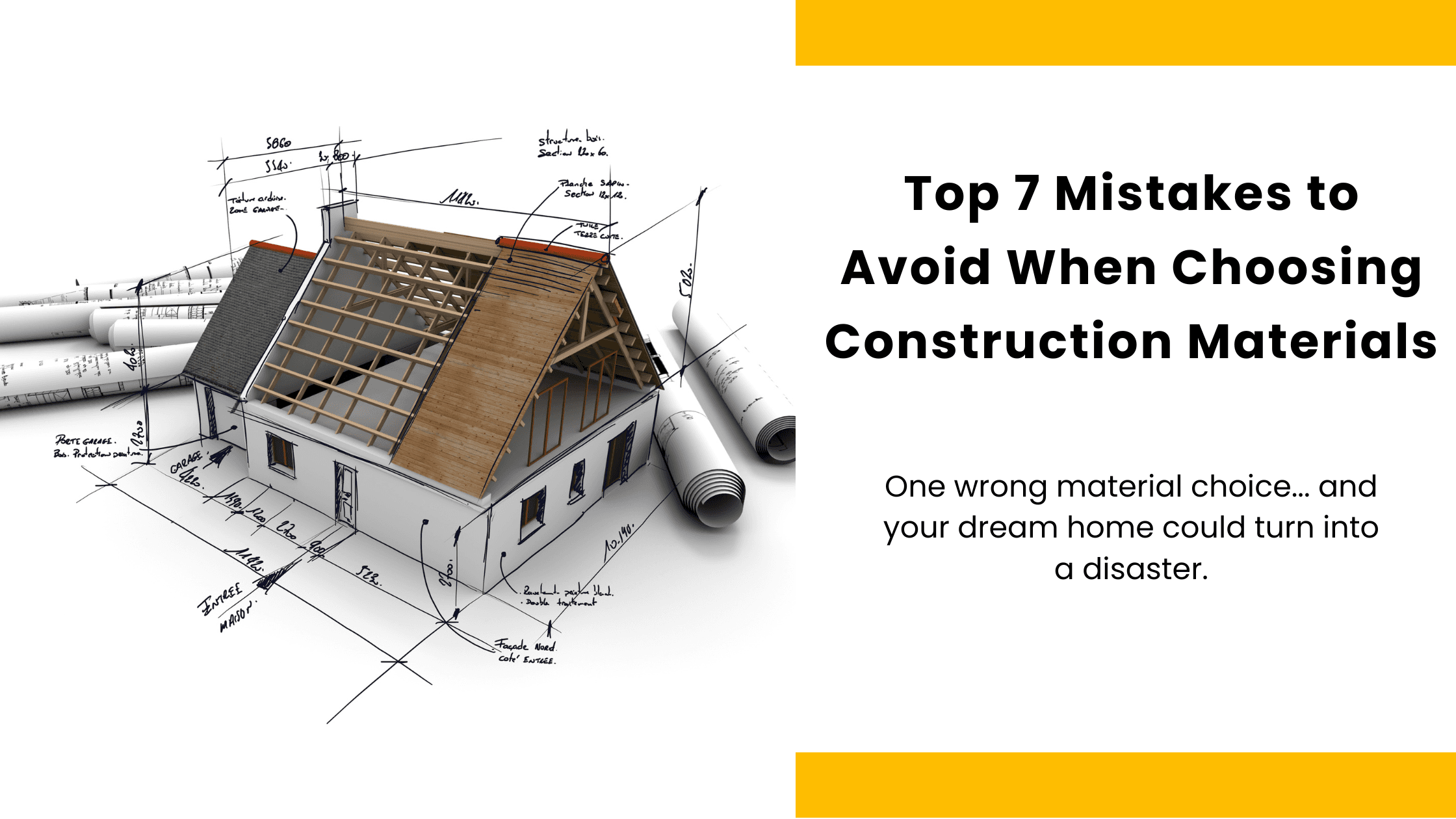
Top 7 Mistakes to Avoid While Choosing Building Materials

Building Right: 7 Material Selection Mistakes to Dodge When it comes to construction, the strength of your project begins with the materials you choose. The selection of the right construction materials plays a crucial role in ensuring structural integrity, durability, cost-efficiency, and environmental sustainability. However, there are several mistakes to avoid while choosing building materials that can lead to long-term damage, higher maintenance costs, or even safety risks if overlooked. This construction material selection guide will help you understand the top 7 common mistakes people make while choosing construction materials—and more importantly, how to avoid them. 1. Ignoring Local Climate and Environment One of the most overlooked factors during construction material selection is climate compatibility. Different regions experience varying levels of heat, humidity, rainfall, and wind. If the materials you choose aren’t suited to your local climate, the structure’s lifespan and safety are at risk. Real-life example: Using untreated wood in a humid climate like Kerala can lead to mold, rot, and termite infestations. On the other hand, clay bricks might crack under extreme cold if not properly cured. ✅ Tip: Choose the best building materials for different climates, such as weather-resistant cement for coastal areas or thermally insulated panels for hot zones. 2. Choosing Price Over Quality It’s tempting to go for the cheapest materials, especially when working on a tight budget. However, selecting cheap construction materials can significantly compromise the safety and durability of the structure. Long-term impact: While low-cost materials may reduce upfront expenses, they often require frequent replacements or repairs, leading to higher cumulative costs over time. ✅ Tip: Balance cost with quality. Look for quality construction materials that provide good value over their entire lifecycle instead of just saving you money during procurement. 3. Not Checking Certification and Quality Standards Many homeowners and contractors fail to verify whether the building materials they are purchasing are certified. Using non-standard or uncertified materials can result in project delays, safety risks, and even legal complications. Example: In India, BIS certification or the ISI mark ensures that products meet the required national standards for strength and safety. ✅ Tip: Always ask your supplier for certification proof. Choose only quality-certified building materials in India that adhere to relevant IS codes. 4. Overlooking Supplier Credibility Where you source your materials from is just as important as what you buy. Many people make the mistake of purchasing from unknown or unverified vendors who may offer low prices, but also low quality. Real Insight: Some fraudulent suppliers provide look-alike products that mimic branded materials but fail performance standards. ✅ Tip: Always opt for a trusted building material supplier in Rajasthan or your local area. Check reviews, experience, client testimonials, and credentials before making a purchase. 5. Ignoring the Structural Requirements of the Project Every building project has unique structural needs. Choosing materials without considering their structural grade can lead to weak construction and unsafe buildings. Example: Using decorative hollow bricks instead of load-bearing ones can cause foundational issues. ✅ Tip: Understand the difference between structural-grade and non-structural materials. For walls, beams, columns, and slabs, always go for structurally approved materials that meet engineering standards. 6. Skipping Professional Consultation Many individuals rely on their own judgment or internet research when choosing construction materials. While self-education is helpful, it’s not a substitute for expert advice. Risk: Lack of technical knowledge can result in incompatible materials, increased costs, or structural flaws. ✅ Tip: Consult with experienced architects, civil engineers, or material experts. Professional consultation for construction materials ensures your project is both structurally sound and cost-effective. 7. Not Considering Long-Term Sustainability Sustainability is no longer optional. Ignoring the environmental impact of your material choices can affect your building’s long-term value and compliance with green construction practices. Better choices: Fly ash bricks, M-sand (manufactured sand), and interlocking blocks are eco-friendly alternatives that also enhance performance. ✅ Tip: Choose sustainable construction materials in India that are recyclable, locally sourced, and energy-efficient. This not only helps the planet but also boosts your property’s resale value. Conclusion: Choose Smart, Build Strong The process of selecting the right building materials should be strategic, informed, and expert-driven. From checking certifications to consulting professionals, each step in your construction material selection guide plays a vital role in ensuring that your structure stands the test of time. By avoiding the common mistakes in building material selection, you ensure a safer, cost-effective, and eco-conscious construction journey. ✅ Ready to Build the Right Way? Whether you’re constructing a home, commercial space, or infrastructure project, don’t leave material selection to guesswork. Trust Raj Mineral—a reputed construction material supplier in Udaipur—for expert guidance and high-quality, certified products. 📩 Contact us today to get the best construction materials tailored to your project needs.

Editor
Smart Ways to Upgrade Driveways with Pavers

Blog

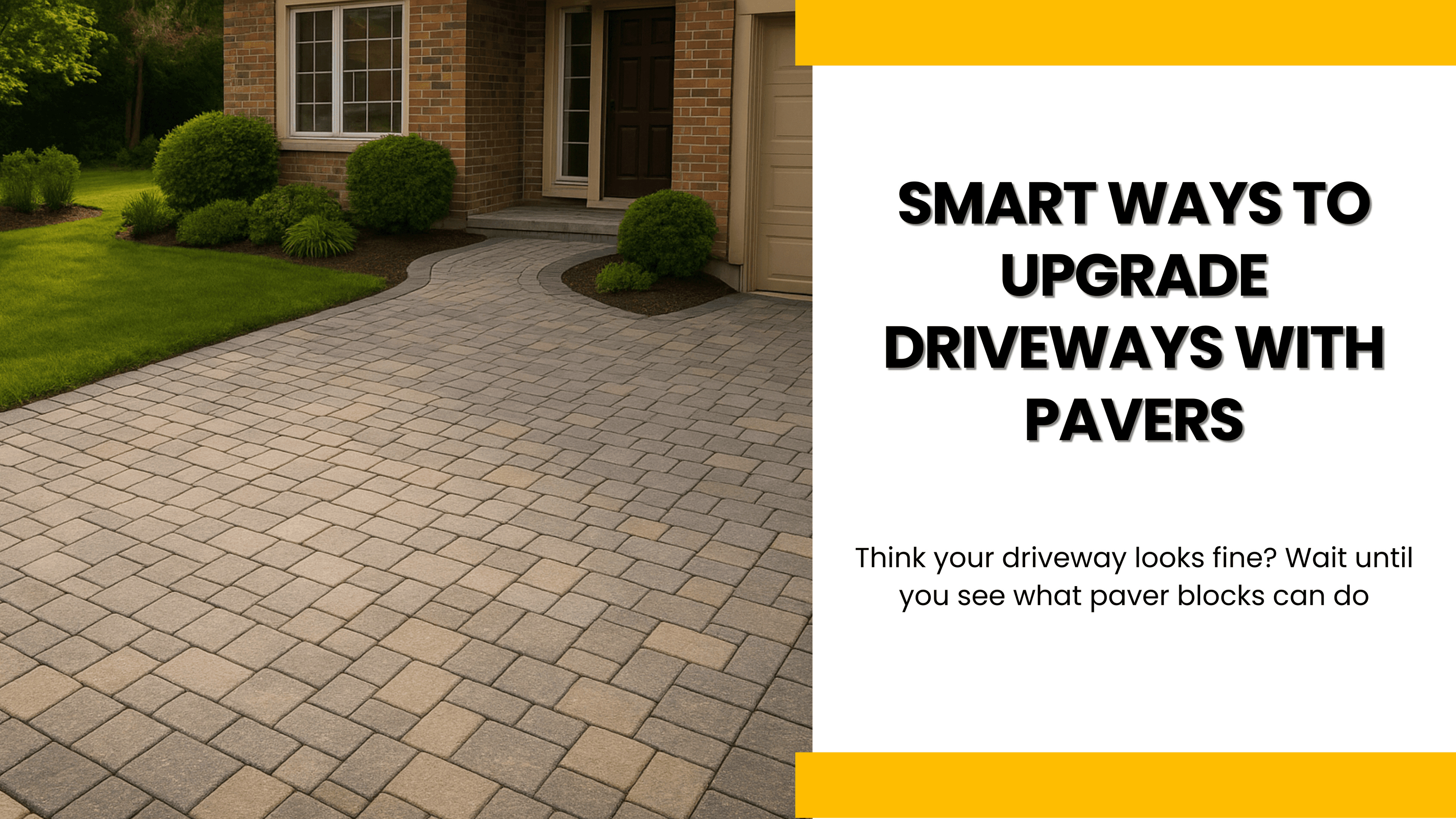
Smart Ways to Upgrade Driveways with Pavers

1. Upgrade Your Driveway with Stylish Paver Blocks A well-designed driveway does more than offer a path for vehicles—it enhances your home’s curb appeal and adds to its overall property value. With modern homes emphasizing aesthetics and function, the choice of driveway material becomes critical. One popular trend sweeping across India is the use of interlocking paver blocks for driveways. These versatile units not only add beauty but also serve as a smart, long-lasting investment for homeowners. 2. Why Choose Pavers for Driveways? Paver blocks are becoming an increasingly popular choice for modern driveways, offering a perfect mix of durability, design versatility, and eco-friendliness. Unlike traditional materials such as concrete or asphalt, pavers provide long-term value with minimal maintenance. Here are some key advantages of using pavers for your driveway: Advantage Description Durability and Longevity Pavers withstand heavy loads and harsh weather, making them ideal for driveways. Easy Maintenance and Repair Damaged pavers can be replaced individually without disturbing the entire structure. Design Flexibility Available in various colors, shapes, and patterns for endless design options. Eco-Friendly Solutions Permeable pavers reduce runoff and support groundwater recharge. 3. Smart Upgrade Ideas Using Pavers Your driveway is one of the first things people notice about your home, so why not make it impressive? With paver blocks, you can go beyond basic layouts and introduce creative, eye-catching elements. Here are some smart upgrade ideas to enhance the look and functionality of your driveway: Upgrade Idea Description Geometric Patterns Layouts like herringbone, basketweave, or running bond create visual depth and style. Color and Texture Play Mix earth tones with smooth or textured surfaces for unique aesthetics. Border Accents Define your driveway using contrasting colored borders. Green Integration Combine paver block designs for driveways with grass strips or gravel paths for a modern, eco-friendly look. 4. Types of Paver Blocks for Driveways Paver blocks come in a variety of materials, each offering unique benefits in terms of appearance, strength, and cost. Whether you’re aiming for a sleek, modern look or a timeless rustic charm, there’s a paver type to match every driveway style. Explore the options below to find the best fit for your project: Type of Paver Description Concrete Interlocking Pavers Most popular for their strength, affordability, and design range. Natural Stone Pavers Granite, sandstone, and cobblestones offer a luxurious, rustic charm. Clay Brick Pavers Known for their color retention and antique appeal. Finish Options Choose between glossy for a sleek look or matte for a more natural appearance. 5. Installation Tips for Long-Lasting Driveways Even the best quality pavers won’t perform well without proper installation. To ensure your driveway remains strong, level, and visually appealing for years, it’s important to follow best practices during installation. Here are some key tips to help you get it right: Installation Tip Description Base Preparation A well-compacted sub-base with appropriate layers of sand and gravel ensures stability. Drainage Matters Ensure correct slope to avoid water pooling. DIY vs Professional Help While it’s possible to install pavers yourself, hiring professionals guarantees precision and faster completion. 6. Maintenance Tips to Keep Driveways Looking New A beautifully paved driveway can retain its charm and functionality for decades, but only with proper care. Regular maintenance not only enhances the appearance but also prevents costly repairs down the line. Follow these simple tips to keep your driveway looking fresh and new: Maintenance Tip Description Clean & Seal Clean pavers with water and mild detergent. Apply sealant every 2–3 years to maintain the finish. Weed and Moss Removal Prevent weed growth in joints with polymeric sand or sealants. Spot Repairs Replace any sunken or cracked blocks immediately. 7. Cost and ROI of Upgrading Your Driveway with Pavers Investing in a paver driveway may seem like a bigger expense initially, but the long-term benefits far outweigh the cost. From reduced maintenance to increased property value, pavers offer an excellent return on investment. Here’s a quick overview of the financial advantages: Cost & ROI Benefit Description Cost Comparison Pavers may cost more than concrete upfront, but last longer with less maintenance. Long-Term Savings Reduced repairs and low upkeep translate into cost savings over time. Property Value Boost A beautiful driveway can enhance your home’s resale value by up to 10%. 8. Why Choose Raj Mineral for Paver Solutions? Choosing the right supplier is just as important as selecting the right pavers. Raj Mineral stands out as a trusted name in Udaipur for delivering top-quality interlocking paver blocks with reliable service. Here’s why Raj Mineral is the preferred choice for countless homeowners and developers: Why Choose Raj Mineral Description Quality Products Manufactured with the latest technology for superior performance. Wide Selection From contemporary to traditional designs. Customer Support End-to-end service including design consultation, supply, and installation. 9. Conclusion Upgrading your driveway using interlocking paver blocks is one of the smartest decisions for any property owner. These blocks offer unmatched durability, design freedom, and long-term value. Whether you’re starting fresh or replacing an existing driveway, now is the perfect time to explore creative, efficient, and eco-friendly paver options. Upgrade your driveway smartly with interlocking paver blocks from Raj Mineral, the top paver block supplier in Udaipur.

Editor
Stone Grit || crusher stone grit || High Quality Stone Grit || quality stone grit for construction || premium stone grit

Blog

7 Must Know Signs of High Quality Stone Grit

Before You Build: Know This About Stone Grit Quality Stone grit, also known as crusher stone grit, is a fundamental material used in various construction applications, from road building and concrete work to paver block manufacturing. The quality of this grit significantly impacts the strength, durability, and finish of any construction project. In regions like Udaipur and Rajasthan, where infrastructure development is rapidly growing, selecting the right stone grit is crucial. Raj Mineral, a trusted name in construction material supply since the 1990s, offers top-tier stone grit and M Sand that meet industry standards. This blog highlights the 7 must-know signs of high-quality stone grit so you can make an informed purchase for your next project. 1. Uniform Size and Shape One of the first indicators of premium stone grit is its uniform size and shape. High-quality stone grit is consistently crushed and graded to specific dimensions, ensuring smooth mixing and proper compaction. Uniform grit results in stronger concrete bonding and reliable performance across various applications. 2. Free from Impurities Pure stone grit should be free from dust, clay, organic materials, and other impurities. Contaminants not only weaken the mixture but also reduce the bonding strength with cement. Poor-quality grit with impurities can lead to structural failure or increased maintenance. 3. Angular Edges for Better Grip The shape of the particles plays a big role in construction integrity. Angular-edged grit interlocks better with surrounding materials, providing improved structural strength and resistance. Round particles tend to slide past each other, while angular particles stay locked in place. 4. High Crushing Strength Crushing strength is a key parameter that determines how well the grit can withstand heavy loads. Low-strength grit can lead to cracks, degradation, or failure under pressure. 5. Low Water Absorption Rate Grit that absorbs too much water can alter the water-cement ratio, leading to weaker concrete. High-quality grit has a low water absorption rate, which aids in efficient cement bonding and reduces shrinkage cracks. “Our crusher grit complies with industry standards for water absorption levels, ensuring durability and reduced water usage.” 6. Tested and Certified Materials Professional-grade construction projects require verified materials. A reliable supplier should be able to provide test reports, certifications, and documented compliance with industry norms. 7. Trusted Supplier Reputation The reputation of the supplier is just as important as the material itself. An experienced supplier like Raj Mineral ensures product consistency, ethical sourcing, and excellent customer service. With decades of experience, Raj Mineral has grown to become one of the most trusted M Sand and crusher grit suppliers in Rajasthan. “Thousands of successful projects in and around Udaipur rely on Raj Mineral’s grit and construction materials.” Why Quality Matters in Stone Grit Using poor-quality grit might save money upfront, but it results in long-term costs due to maintenance, repairs, or failures. High-quality grit enhances structural life, improves safety, and offers better aesthetics. In road construction, for instance, durable grit reduces erosion. In concrete, it ensures strength and integrity. Investing in premium grit is a cost-effective and smart decision for any builder. About Raj Mineral – Trusted Construction Material Supplier in Udaipur Since the 1990s, Raj Mineral has built a strong foothold in Rajasthan as a reliable supplier of construction materials. Our offerings include: M Sand Crusher Stone Grit Fly Ash Cemented Bricks Interlocking Paver Blocks We are committed to quality, consistency, and a customer-first approach. Every product is tested and certified, ensuring your project gets the best start possible. Conclusion Choosing the right stone grit is crucial to the success of any construction project. From ensuring proper bonding and structural integrity to reducing long-term maintenance costs, quality grit makes a measurable difference. By checking for uniformity, purity, angular edges, crushing strength, and certification, builders can ensure lasting performance and safety. For those in Udaipur and Rajasthan, Raj Mineral stands out as a trusted supplier of premium M Sand and crusher grit, backed by decades of experience and industry-grade testing. If you are planning a construction project, working with a reliable and experienced supplier plays an important role in long-term performance. Raj Mineral supports builders with industry-backed expertise and a strong focus on quality. Follow us on Instagram:- @rajmineral

Editor
Essential Tips for Summer Construction in Rajasthan

Blog

Essential Tips for Summer Construction in Rajasthan

1. Constructing in the Heat Construction in Rajasthan during summer is tough. With temperatures soaring above 45°C, builders face challenges like faster material drying, cracks in concrete, and reduced worker productivity. In this blog, we’ll share useful tips for summer construction in Rajasthan. At Raj Mineral, we provide high-quality, climate-ready materials designed to withstand these harsh conditions and ensure strong, durable structures. 2. Understanding the Impact of Rajasthan’s Summer on Construction Rajasthan is known for its dry, arid climate, especially between April and June, when temperatures often reach 45°C or higher. These extreme conditions can significantly affect construction timelines, material behavior, and labor health. The intense heat accelerates the drying process of concrete and mortar, which can lead to early setting and insufficient curing if not managed properly. This rapid drying often results in surface cracks, reduced strength, and compromised durability of the structures. Additionally, materials like cement and sand can lose moisture quickly, affecting the bonding process and overall quality. ☀️ Common Summer Challenges: Quick evaporation of water from cement mixes Cracking in concrete due to improper curing Faster setting of cement, leaving little room for adjustments Lower productivity and higher health risks for workers Understanding these challenges is the first step in preparing for efficient summer construction projects. 3. Choose the Right Construction Materials for Summer Material selection is a critical factor during summer construction. The right materials not only improve structural strength but also help retain moisture and reduce thermal stress. Using heat-resistant and moisture-retentive materials ensures that structures do not suffer from premature drying, shrinkage, or cracking. For instance, M Sand is known for its uniformity and ability to retain water, which enhances the bonding and curing process during hot conditions. Unlike river sand, M Sand is also free from impurities, making it ideal for high-temperature construction zones. 🔧 Recommended Materials by Raj Mineral: Material Key Features M Sand • Better water retention compared to river sand • Enhances workability and durability in hot conditions Fly Ash Bricks • Provide thermal insulation • Eco-friendly and less prone to cracking • Maintain internal temperature stability Cemented Bricks • Withstand high temperatures without crumbling • Excellent for walls and load-bearing structures Crusher Stone Grit • Ideal for foundations and road base work • Highly durable and weather-resistant Interlocking Paver Blocks • Perfect for outdoor spaces like parking areas and footpaths • Allow easy drainage and reduce surface heat absorption 4. Best Practices for Summer Construction Projects To ensure quality results during Rajasthan’s hot months, adopt these practical strategies: 🕓 Work during less hot times of the day, like early morning or late evening (after 4 PM). 💧 Cure concrete frequently to prevent rapid drying and cracking 🛡️ Use wet burlap or plastic sheets to maintain surface moisture 🏗️ Store materials in shaded areas to prevent premature hardening or degradation These small adjustments can make a big difference in quality, durability, and project timelines. 5. Ensure Safety of Labor During Peak Summer Laborers are the backbone of every construction site, and their safety should be a top priority, especially in extreme heat. 🛠️ Labor Safety Guidelines: Provide adequate drinking water and electrolytes Set up temporary shade areas for rest breaks Encourage the use of protective clothing, caps, and sunscreen Conduct awareness training on heatstroke prevention and first aid Healthy workers are productive workers, and safe job sites lead to timely, high-quality completion. 6. Sustainable Construction Tips for Hot Weather Sustainability is more than a trend—it’s a necessity, especially in hot climates like Rajasthan. 🌱 Smart Sustainable Practices: Use Fly Ash Bricks to reduce heat absorption and energy costs Design buildings with cross-ventilation and roof insulation Install light-colored paver blocks to reflect heat and keep outdoor areas cooler Choosing the right materials and planning for thermal efficiency helps save costs and the environment. 7. Why Builders in Rajasthan Prefer Raj Mineral in Summer At Raj Mineral, we understand summer construction like no one else. Here’s why we’re the trusted choice across Udaipur and Rajasthan: Summer in Rajasthan brings extreme heat and dry conditions, making it essential to use construction materials that can endure harsh weather. Raj Mineral provides high-quality crushed stone, stone dust, and river sand that maintains its strength and performance even under intense temperatures. Timely delivery becomes even more critical in summer when delays can lead to drying issues or cracks in construction. With a strong logistics network, Raj Mineral ensures prompt and reliable supply to keep your projects moving without disruption. 🏗️ Ready stock of all summer-suitable materials (M Sand, Fly Ash Bricks, and Crusher Stone Grit) ⏱️ Timely delivery—even during peak construction months 🤝 Trusted by contractors for consistent quality, service, and support for over two decades  Whether it’s a residential plot or a commercial complex, builders choose Raj Mineral for dependable summer construction solutions. 8. Conclusion Summer construction in Rajasthan needs strong, heat-resistant materials and timely delivery. Raj Mineral offers high-quality M Sand, Fly Ash Bricks, and Crusher Grit—perfect for hot weather projects. Trusted by builders across Udaipur, we ensure durability, speed, and support all summer long. With decades of experience and a strong supply network, Raj Mineral is your go-to partner for summer-ready construction materials in Rajasthan. Build smarter, faster, and stronger—even in extreme heat. Make your construction process smoother this summer with the right materials, like M Sand and Fly Ash Bricks, that not only strengthen your structure but also help maintain cooler indoor temperatures for your home or office. Contact Raj Mineral, Udaipur’s trusted construction material supplier since the 1990s and Rajasthan’s largest M Sand provider. We offer high-quality materials like M Sand, Crusher Stone Grit, Fly Ash Bricks, and more—your reliable partner for climate-ready construction.

Editor
Why M Sand Is Perfect for Hot Weather Projects

Blog

Why M Sand Is Perfect for Hot Weather Projects

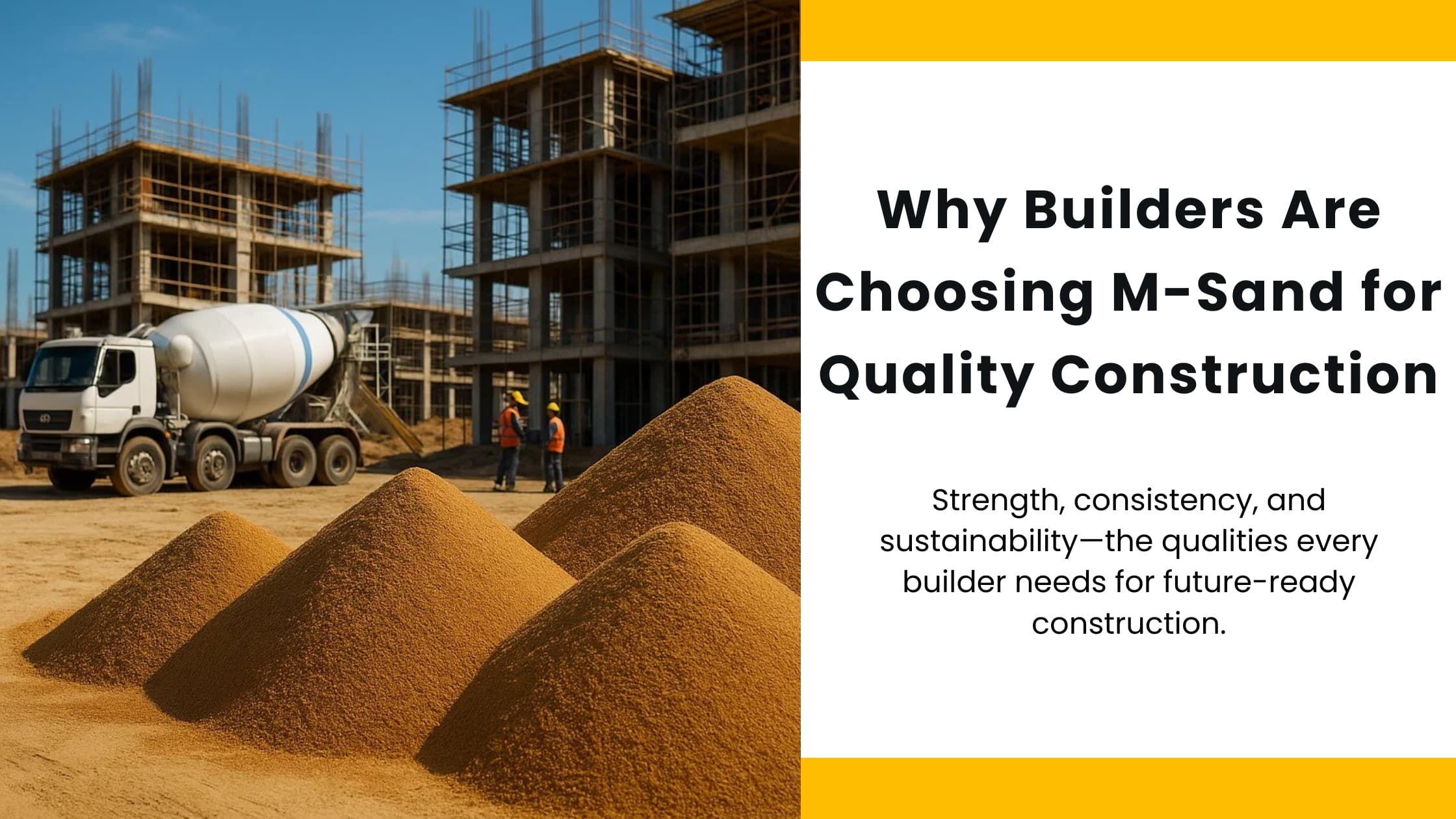
1. Rajasthan Heat & Construction Constructing in hot weather, especially in regions like Rajasthan, brings a unique set of challenges—faster water evaporation, poor cement bonding, concrete cracking, and labor fatigue. The soaring temperatures in summer not only affect timelines but also compromise the strength and quality of the final structure. One often-overlooked factor is the type of sand used in construction. While traditional river sand has been used for decades, it’s no longer the most practical choice in high-heat zones. Enter M Sand (Manufactured Sand)—a technologically produced alternative that offers superior performance in hot and dry climates. Let’s explore why M Sand is the ideal choice for summer construction projects in Rajasthan and similar regions. 2. What Is M Sand? M Sand stands for Manufactured Sand, produced by crushing hard granite rocks using advanced machines. Unlike river sand, which can vary in quality depending on the source, M Sand is manufactured in controlled conditions, ensuring uniform particle size and cleanliness. 🔍 Key Characteristics: Graded for specific construction needs (plastering, concrete, blockwork) Angular and cubical-shaped grains for better bonding Zero organic impurities, silt, or clay content Comparison with River Sand: River sand often contains mud, salt, or clay that can interfere with cement hydration. M Sand, on the other hand, offers cleaner, more consistent quality, which is critical for hot weather concreting. 3. Common Construction Challenges in Hot Weather When the mercury rises, so do the risks at the construction site: ☀️ Major Challenges: Rapid water evaporation, leading to dry mixes Faster cement setting, which reduces working time and causes cracks Difficulty in curing, especially in concrete slabs and columns Wastage of materials due to improper mix and poor bonding Increased labor fatigue, requiring faster and safer construction techniques Using conventional sand in such conditions often leads to delays, structural issues, and cost overruns. 4. Why M Sand Performs Better in High Temperatures ✅ 1. Optimal Moisture Retention M Sand holds moisture better than river sand, ensuring a balanced water-cement ratio. This results in improved workability and reduced shrinkage cracks. ✅ 2. Better Gradation and Fineness With controlled particle size, M Sand enables: Stronger cement bonding Smoother finishes Minimal segregation or bleeding ✅ 3. Consistent Quality Manufactured in modern plants, M Sand is free from impurities. This consistency is especially important in hot weather, where even slight material changes can impact concrete performance. ✅ 4. Faster and Safer Construction Reduced curing challenges and better bonding speed up construction, minimize rework, and support timely delivery—even in peak summer. 5. Environmental and Economic Benefits of M Sand Aside from performance, M Sand is also a smart ecological and financial choice. 🌱 Eco-Friendly Reduces riverbed depletion, helping preserve natural ecosystems Lowers water consumption during curing due to reduced evaporation 💰 Cost-Effective Locally sourced, cutting down transport costs Less material wastage due to better gradation Improves cement efficiency, saving on other inputs For sustainable, cost-conscious construction, M Sand is a win-win. 6. Use Cases of M Sand in Hot Weather Projects Thanks to its versatile nature, M Sand is being widely adopted across Rajasthan for: Residential and Commercial Buildings – Foundations, walls, and slabs Road Construction – Sub-base and surface layering Precast Elements – Concrete blocks, tiles, and ready-mix Outdoor Landscaping – Paver block laying and parking areas Its thermal compatibility and moisture retention make it ideal for any construction project during Rajasthan’s scorching summers. 7. Why Builders in Rajasthan Prefer Raj Mineral’s M Sand At Raj Mineral, we deliver industry-grade M Sand that’s proven to perform, especially under Rajasthan’s harsh climate. 🏗️ Here’s why builders trust us: High-quality crushing technology ensures consistent sand Tested for moisture, gradation, and silt content Reliable supply chain even during peak demand months Trusted by leading contractors and architects across Udaipur and Rajasthan With Raj Mineral, you don’t just buy sand—you buy reliability and performance. 8. Expert Tips for Using M Sand During Summer To get the most out of M Sand during hot weather construction: 🛠️ Pro Tips: Ensure proper curing techniques—use water curing or plastic covers Combine M Sand with fly ash bricks for thermally insulated construction Store M Sand in shaded or covered spaces to maintain moisture and prevent overheating These practices enhance the efficiency and lifespan of the structure. 9. Conclusion Choosing the right sand isn’t just a technical choice—it’s a game-changer for construction quality, especially in Rajasthan’s extreme summer heat. M Sand ensures better bonding, reduced water usage, and faster, crack-resistant construction, making it the preferred material for modern building needs. If you’re planning to start construction this summer, connect with Raj Mineral—your trusted partner in quality and reliability. Raj Mineral is one of the top construction material suppliers and dealers in Udaipur. As the biggest M Sand supplier in Rajasthan, the company has been a backbone of the construction industry since the 1990s. With a legacy of trust and performance, Raj Mineral has become the first choice of builders, contractors, and architects.  Products Include: Premium-grade M Sand, Crusher Stone Grit, Curve Stones, Fly Ash Cemented Bricks, Interlocking Paver Blocks 🌐 Let’s Build Strong—Even Under the Sun!Get in touch for bulk orders, site-ready delivery, or technical support.

Editor
Interlocking Paver Blocks | Paver Block Maintenance | How to Maintain Pavers | Paver Cleaning Tips | Paver Block Repair

Blog

Tips to Maintain Interlocking Paver Blocks

Interlocking paver blocks are a popular choice for driveways, walkways, patios, and even commercial outdoor areas. Known for their durability, stylish appearance, and load-bearing capacity, these blocks are now a go-to solution for modern landscaping and construction projects. However, to keep them looking their best and performing well over time, regular maintenance is essential. In this blog, we’ll walk you through simple and effective paver maintenance tips that will help you maintain paver blocks in top condition, whether you’re a homeowner or managing a commercial property. 🧱 Why Maintenance is Important Maintaining your interlocking paver blocks is not just about appearances—it’s about protecting your investment. Here’s why maintenance matters: ✅ Enhances durability by preventing cracks, loosening, and surface damage. ✅ Preserves aesthetic appeal, keeping your outdoor space neat and clean. ✅ Prevents weed growth, which can cause shifting or displacement. ✅ Reduces repair and replacement costs in the long run. A little care goes a long way in ensuring your pavers look new and perform well for years. 🧹 Daily and Weekly Cleaning Tips Simple cleaning routines can prevent dirt buildup and stains. Sweep regularly to remove leaves, dust, and debris that can stain or scratch the surface. Rinse with water once or twice a week to avoid grime accumulation. Avoid harsh chemical cleaners that can erode the surface or fade the color. 👉 Pro Tip: Use a gentle soap mixed with water for routine cleaning, especially in high-traffic areas. 🌿 Preventing and Removing Weed Growth Weeds growing between paver joints are not just unsightly—they can weaken the structure over time. Fill joints with polymeric sand, which hardens and blocks weed roots. Use eco-friendly weed control sprays to kill surface weeds without harming nearby plants. For deeper root systems, use a soft tool to remove weeds without loosening the pavers. 👉 Remember: Regular joint maintenance is key to preventing weed-related damage. 🧽 Dealing with Stains and Spills Spills happen—whether it’s oil from a vehicle, food stains from a gathering, or rust from nearby furniture. Use mild soap and water for most stains. For oil stains, apply baking soda or white vinegar, let it sit, and scrub gently. Avoid DIY pressure washing, as it may damage or loosen the blocks if done improperly. 👉 If stains persist, consult a professional paver cleaner to avoid surface erosion. 🔧 Repair and Replacement Guidelines Over time, you might notice a few pavers sinking or shifting. To realign sunken pavers, carefully lift them, level the base with sand, and place them back. For cracked or damaged blocks, remove the affected piece and replace it with a new one of the same size and design. Ensure proper edge restraints are in place to prevent future displacement. 👉 Tip: Always keep a few extra pavers from your original purchase for easy replacements. 🛡️ Sealing Interlocking Pavers Sealing your pavers provides an extra layer of protection. Benefits of sealing: Prevents staining from oil, food, or rust Protects colors from fading in sunlight Adds a subtle shine, enhancing the look Seal your pavers every 2–3 years. You can do it yourself using a roller and sealer, or hire a professional for a smoother, even application. ☀️ Seasonal Maintenance Tips Different seasons bring different challenges to your paver blocks. 🌧️ Monsoon: Ensure proper drainage to prevent waterlogging Clean moss or algae buildup to avoid slippery surfaces ☀️ Summer: Use sealants to prevent UV fading Rinse more frequently to remove dust and debris ❄️ Winter: Avoid de-icing salts that can erode the surface Use plastic shovels instead of metal tools to remove snow without scratching ⚠️ Common Mistakes to Avoid Many property owners unintentionally reduce their paver lifespan by making simple errors. ❌ Using acidic cleaners that degrade the surface ❌ Ignoring loose or sunken blocks, which can worsen with time ❌ Leaving spills or stains for too long, making them harder to remove 👉 Stay proactive to avoid these common pitfalls. 🧾 Conclusion Proper care of interlocking paver blocks enhances their durability, maintains visual appeal, and saves money on repairs. Whether it’s a driveway, pathway, or patio, these simple tips can help you maintain paver blocks for years to come. At Raj Mineral, we not only supply premium-quality interlocking paver blocks in Udaipur but also help you choose the right product for your specific needs. Our blocks are engineered for strength, style, and ease of maintenance. 📞 Need help choosing or maintaining paver blocks? Connect with Raj Mineral, your trusted supplier of construction and landscaping materials in Rajasthan. 🧱 Durable. Stylish. Low-maintenance. That’s the Raj Mineral promise.

Editor
Crusher Stone Grit | Types of stone grit | Uses of crusher stone grit | Stone grit supplier in Udaipur | Stone grit sizes

Blog

Choosing the Right Crusher Stone Grit for Your Project

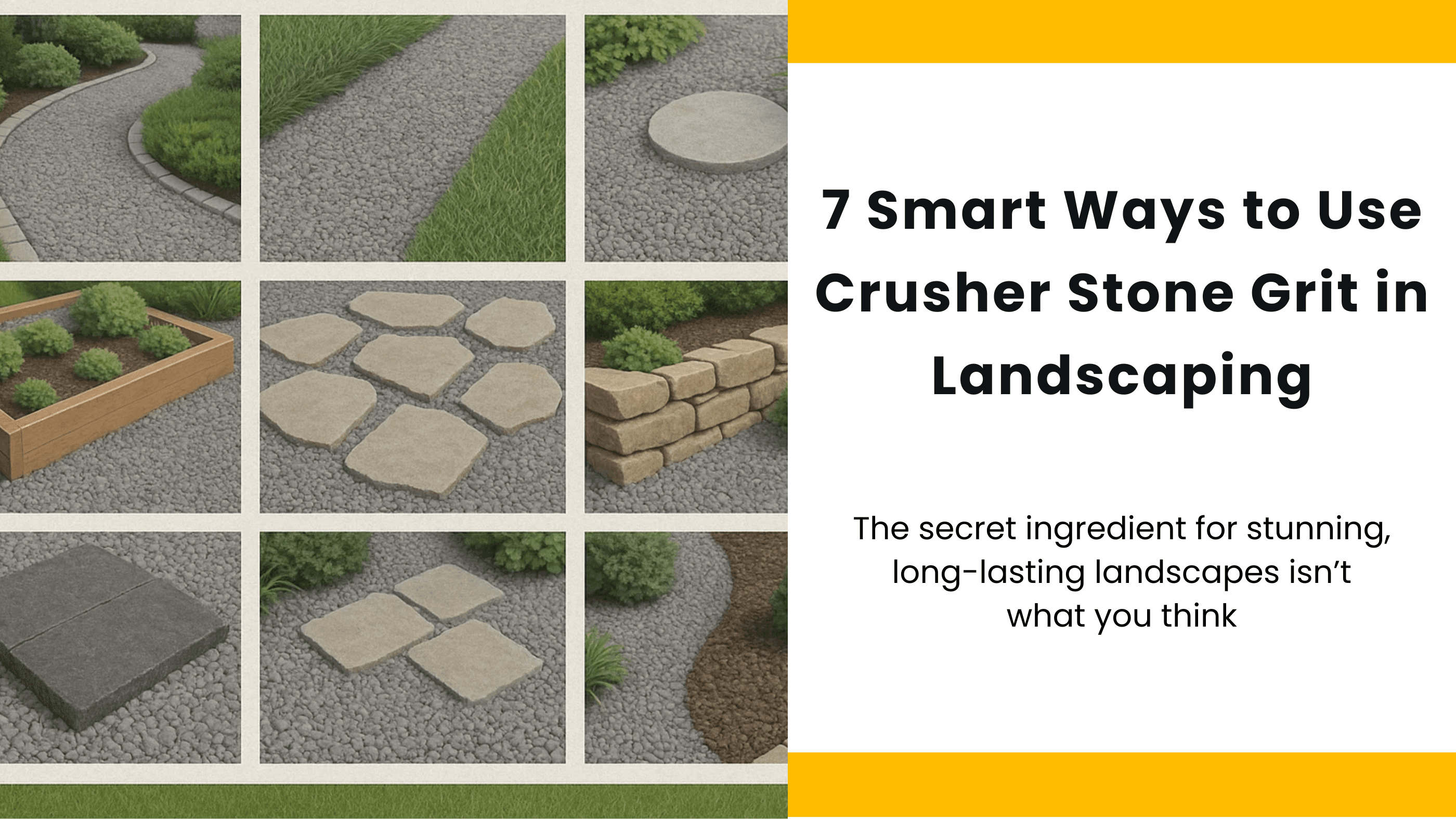
When it comes to construction, one of the most underrated—but absolutely essential—materials is crusher stone grit. Whether you’re laying a foundation for a home, constructing a highway, or designing a garden pathway, the type and size of grit you choose can directly impact the strength, longevity, and appearance of your project. In this blog, we’ll break down everything you need to know about crusher stone grit, including different types, where it’s used, and how to choose the right one for your specific project. 🔹 What is Crusher Stone Grit? Crusher stone grit is a byproduct of the stone crushing process. Large rocks like granite, basalt, or limestone are fed into a crusher machine, which breaks them down into smaller, more manageable sizes. The resulting sharp-edged fragments are what we call stone grit or crushed stone aggregates. These grit particles are used as a foundation material in concrete, road construction, and even landscaping due to their high strength, stability, and excellent bonding properties. 🔹Different Sizes & Types of Stone Grit Stone grit is available in a variety of sizes, each suitable for different applications: 6mm to 10mm: Fine grit, ideal for plastering, flooring, and lightweight concrete work. 20mm: Commonly used in structural concrete mixes for slabs, columns, and beams. 40mm: Coarser material, often used for mass concrete and road base layers. Above 40mm: Used in drainage projects or under large infrastructure where load distribution is key. Types of Grit: Fine Grit: Best for finish work like plaster or leveling layers. Medium Grit: Suited for general concrete use in homes and buildings. Coarse Grit: Used in heavy-duty applications like roads and foundations. Choosing the correct size ensures better bonding with cement and long-term strength. 🔹Crusher Stone Grit for Residential Projects In home construction, stone grit plays a crucial role in maintaining structural integrity. Depending on the task: 10mm grit is often used for plastering and interior flooring, as it blends well with fine sand and cement. 20mm grit is ideal for RCC slabs, columns, beams, and general concrete work. Coarse grit (40mm) may be used in larger residential foundations for better load distribution. Choosing the wrong size or quality can lead to cracks, poor bonding, or uneven surfaces, so it’s critical to get this right. 🔹Crusher Stone Grit for Road Construction & Infrastructure In road building, durability and strength are key. That’s why graded and high-strength grit is essential. Typical Application Layers: Sub-base layer: Usually uses 40mm grit to provide foundational support. Base layer: Made with 20mm grit, ensuring structural strength and even compaction. Surface layer (top coat): Often finished with 6mm–10mm grit mixed with bitumen. Graded aggregates enhance the interlocking property, which is critical for road longevity and resistance to wear and tear from traffic. 🔹Crusher Stone Grit for Landscaping and Decorative Use Stone grit isn’t just for structural use—it’s also gaining popularity in decorative landscaping projects. Walkways, garden paths, and driveways are often used: Colored or polished grit for visual appeal 6mm–10mm sizes for smoother finish and safer walking surfaces Basalt or granite-based grit for a darker, premium look Combining aesthetic appeal with practical drainage and low maintenance makes grit an excellent choice for landscape designers. 🔹Key Factors to Consider When Choosing Stone Grit Choosing the right grit isn’t just about size—it’s about understanding your project requirements. Here are a few key factors: ✅ Project Type: Structural load-bearing projects need coarser grit, while decorative or finish work requires finer grit. ✅ Bonding with Cement: Ensure the grit is angular and clean for best bonding results. ✅ Moisture Resistance & Drainage: Grit size and type affect how well water drains through the structure. ✅ Cost & Availability: Choose grit that’s not just affordable, but also available locally to reduce logistics costs and delays. 🔹 Where to Source Quality Crusher Stone Grit Not all stone grit is created equal. Poorly crushed or unwashed grit can contain dust, clay, or inconsistent sizes, which weakens your structure. What to Look for in a Supplier: ✅ ISO certifications or quality assurance tags ✅ Clean, consistent grit with no impurities ✅ Grading reports or test certificates ✅ Local reputation and timely delivery At Raj Mineral, we provide superior-quality, graded stone grit processed using state-of-the-art machinery, ensuring strength, consistency, and timely delivery for projects big or small. 🟢 Conclusion: Choose the Right Grit, Build it Right Whether you’re building a home, laying a road, or beautifying a garden, choosing the right crusher stone grit is essential for achieving durability, strength, and performance. 🔹 Always match the grit size to the specific need of your project. 🔹 Consult professionals or experienced suppliers to avoid trial-and-error. 🔹 Never compromise on quality, because foundational materials are the backbone of any construction project. 📞 Need help choosing the right grit for your project? Contact Raj Mineral, your trusted stone aggregate supplier in Udaipur, for expert advice and bulk supply of premium crusher stone grit. ✅ Consistent size. Certified quality. Reliable delivery. Also Read:- How Crusher Stone Helps Build Stronger Roads

Editor
How to Pick the Perfect Bricks for Your Dream Home

Blog

How to Pick the Perfect Bricks for Your Dream Home

Building your dream home is an exciting journey, and choosing the Perfect bricks is a crucial step. Bricks are the foundation of a strong, durable, and aesthetically appealing home. The right bricks not only enhance the structure’s strength but also play a role in insulation, cost-effectiveness, and sustainability. With so many types of bricks available, selecting the best one for your project can feel overwhelming. In this guide, we’ll walk you through different types of bricks, key factors to consider, quality tests, and common mistakes to avoid—ensuring that your home stands strong and beautiful for generations. 1. Understanding Different Types of Bricks Before choosing bricks, it’s essential to understand their types, properties, and best uses to ensure durability, insulation, and aesthetic appeal. From traditional clay bricks to modern fly ash bricks and AAC blocks, each type serves a specific purpose based on strength, weather resistance, and sustainability. Selecting the right brick ensures a strong foundation and long-lasting construction for your dream home. Let’s explore each type of brick in detail. 🔹 Clay Bricks (Burnt Bricks) ✔ Traditional and widely used. ✔ Available in various colors and textures. ✔ Pros: Durable, fire-resistant, and aesthetically pleasing. ✔ Cons: Heavier and absorb more water, making them prone to dampness. Best for: Residential houses and traditional architecture. 🔹 Concrete Bricks ✔ Made from cement and aggregate. ✔ Pros: Strong, affordable, and easy to manufacture. ✔ Cons: Less aesthetic appeal than clay bricks. Best for: Foundations, fences, and industrial structures. 🔹 Fly Ash Bricks ✔ Made from fly ash, sand, and cement—an eco-friendly alternative. ✔ Pros: Lightweight, strong, better thermal insulation, and water-resistant. ✔ Cons: Requires proper curing for strength development. Best for: Sustainable home construction. 🔹 AAC Blocks (Autoclaved Aerated Concrete) ✔ Lightweight bricks with excellent insulation properties. ✔ Pros: Fireproof, soundproof, and energy-efficient. ✔ Cons: More expensive than traditional bricks. Best for: Modern energy-efficient homes and high-rise buildings. 🔹 Fire Bricks (Refractory Bricks) ✔ Special bricks made to withstand high temperatures. ✔ Pros: Fire-resistant, durable, and used in high-heat environments. ✔ Cons: Expensive and not required for general construction. Best for: Fireplaces, chimneys, and industrial furnaces. Each type of brick serves different purposes, so choose based on your needs and budget. 2. Factors to Consider When Choosing Bricks Factor Details Strength & Durability Ensure bricks have high compressive strength to withstand structural loads. Check for cracks or irregularities that could weaken the structure. Weather Resistance Use low-water absorption bricks in rain-prone areas to prevent dampness. In hot climates, choose heat-resistant bricks for better indoor comfort. Thermal Insulation & Energy Efficiency AAC blocks and fly ash bricks provide better insulation, reducing electricity bills. Avoid bricks that absorb excessive heat. Aesthetic Appeal & Design Bricks come in various colors, textures, and finishes. For modern homes, opt for smooth-finish bricks; for rustic charm, go for textured or exposed bricks. Cost & Budget Planning Clay bricks are durable but costly over time due to maintenance. Concrete and fly ash bricks are more affordable. Balance quality with cost. Eco-Friendliness & Sustainability Fly ash bricks and AAC blocks are eco-friendly and made from industrial waste. Choosing sustainable materials helps reduce the carbon footprint. By considering these factors, you can choose the perfect bricks that match your needs, climate, and budget. 3. How to Check the Quality of Bricks? Before purchasing bricks, test their quality using these simple methods: ✔ Water Absorption Test Soak a brick in water for 24 hours and weigh it before and after. A good-quality brick should not absorb more than 20% of its weight in water. ✔ Compression Strength Test Strong bricks should withstand a load of at least 3.5 N/mm² for standard construction. Lower-strength bricks can lead to cracks and structural damage. ✔ Sound Test Tap two bricks together—high-quality bricks produce a metallic ringing sound. Dull sounds indicate low strength or poor composition. ✔ Drop Test Drop a brick from a height of 1 meter—a strong brick should not break into small pieces. Brittle bricks indicate poor durability. Testing bricks before buying ensures a strong and long-lasting structure. 4. Best Brick Brands & Where to Buy When buying bricks, always choose reliable and well-known manufacturers. 🏢 Popular Brick Manufacturer ✅ Raj Mineral (Udaipur, Rajasthan) – A leading construction material supplier since the 1990s, Raj Mineral is the biggest M sand supplier in Rajasthan and a trusted name in the industry. They offer a wide range of high-quality construction materials, including Fly Ash Cemented Bricks, Interlocking Paver Blocks, M Sand, and Crusher Stone Grit. Known for reliability and customer satisfaction, Raj Mineral is the first choice for durable and sustainable building materials. 📌 Tips for Choosing a Supplier: Check reviews and quality certifications before purchasing. Buy in bulk to reduce costs. Ensure timely delivery to avoid construction delays. Buying from trusted suppliers guarantees quality and consistency in your brickwork. 5. Common Mistakes to Avoid While Choosing Bricks Avoiding these mistakes will help you make an informed decision and ensure your home stands the test of time. ✅ Mistake Details ❌ Ignoring Climate Suitability Using high water-absorbing bricks in rainy areas can cause dampness and cracks. Poor insulation bricks lead to high energy bills in extreme weather. ❌ Overlooking Cost vs. Quality Balance Cheap bricks may seem budget-friendly but can lead to long-term maintenance costs. Invest in durable, high-quality bricks for a stronger, longer-lasting home. ❌ Not Checking Brick Quality Before Purchasing Many homeowners buy bricks without testing them, leading to compromised strength. Always conduct quality tests to ensure durability. ❌ Neglecting Brick Size and Uniformity Bricks with irregular shapes and inconsistent sizes can lead to alignment issues, requiring more mortar and increasing labor costs. Always ensure uniformity to achieve a stable and well-finished structure. ❌ Choosing Aesthetics Over Strength While visually appealing bricks enhance the look of your home, prioritizing aesthetics over strength can lead to structural weaknesses. Balance both factors by selecting bricks that are both durable and visually suitable for your design. ❌ Ignoring Supplier Reputation Not all brick suppliers provide high-quality materials.

Editor
Call Now