

Trusted Across Rajasthan
From Raw Earth to
Strong Foundations
Premium M-Sand, paver blocks, crusher stone grit, and fly ash bricks backed by dependable supply, quality checks, and project-ready support.
35+ Years ExperienceBulk Orders SupportedUdaipur Manufacturing Base
Our Clients








Products Built for Real Construction Demand
Explore our high-demand materials and move directly into a quote or product-specific page without friction.
Featured Material 1
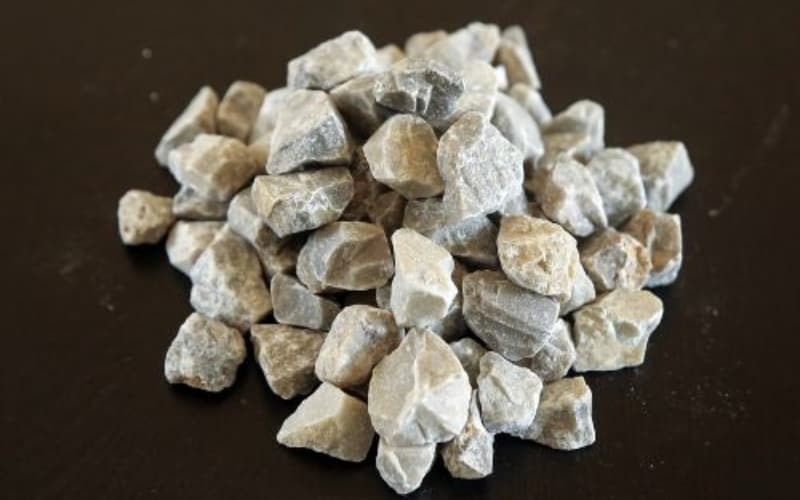
Crusher Stone Grit
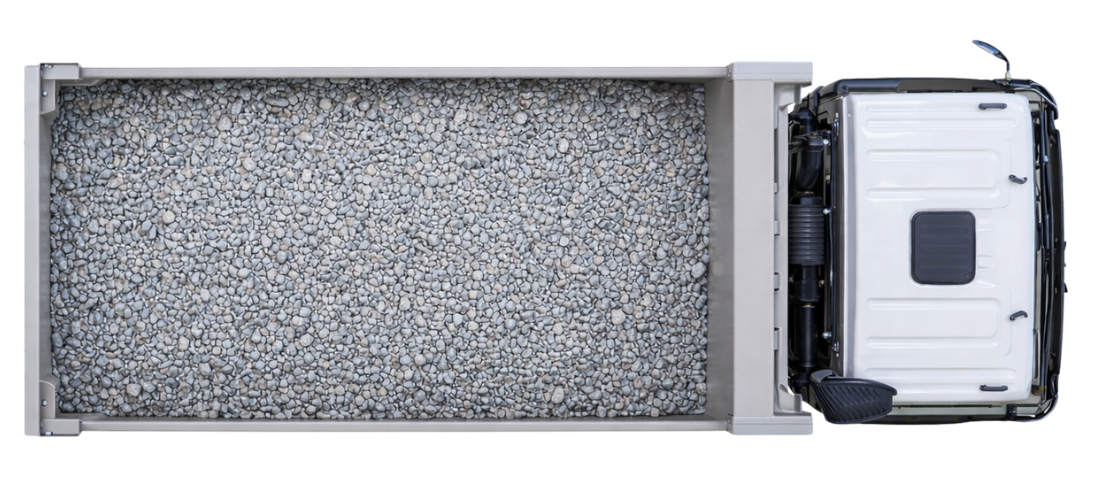
Crusher stone grit delivers strong bonding and dependable structural performance for concrete, road construction, and foundational work.
Featured Material 2
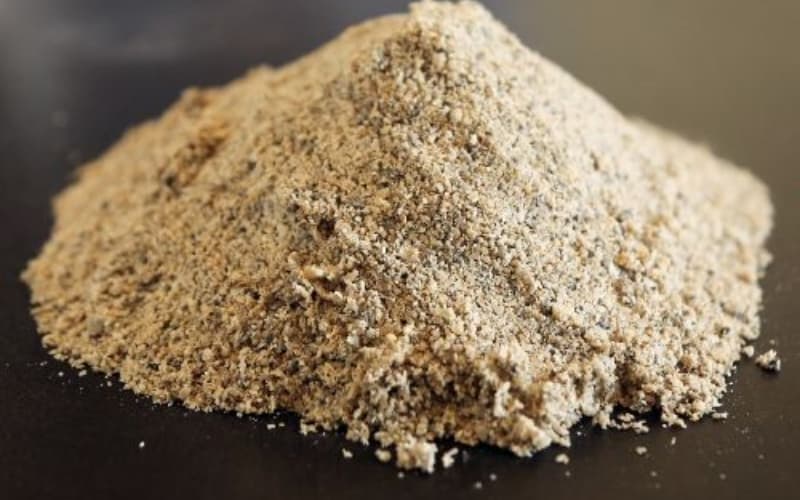
Manufactured Sand (M-Sand)
Manufactured Sand offers consistent particle size, improved strength, and a sustainable alternative to river sand for modern construction.
Featured Material 3
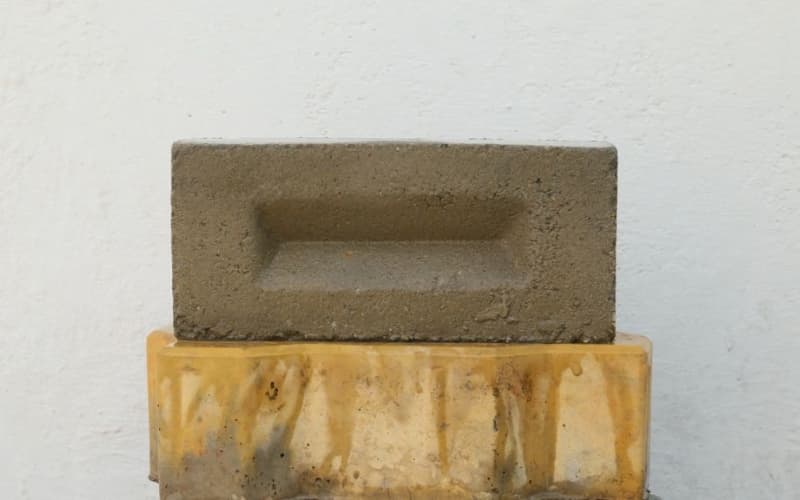
Fly Ash Bricks
Fly Ash Bricks are strong, efficient, and eco-conscious masonry units suited to modern residential and commercial builds.
Featured Material 4
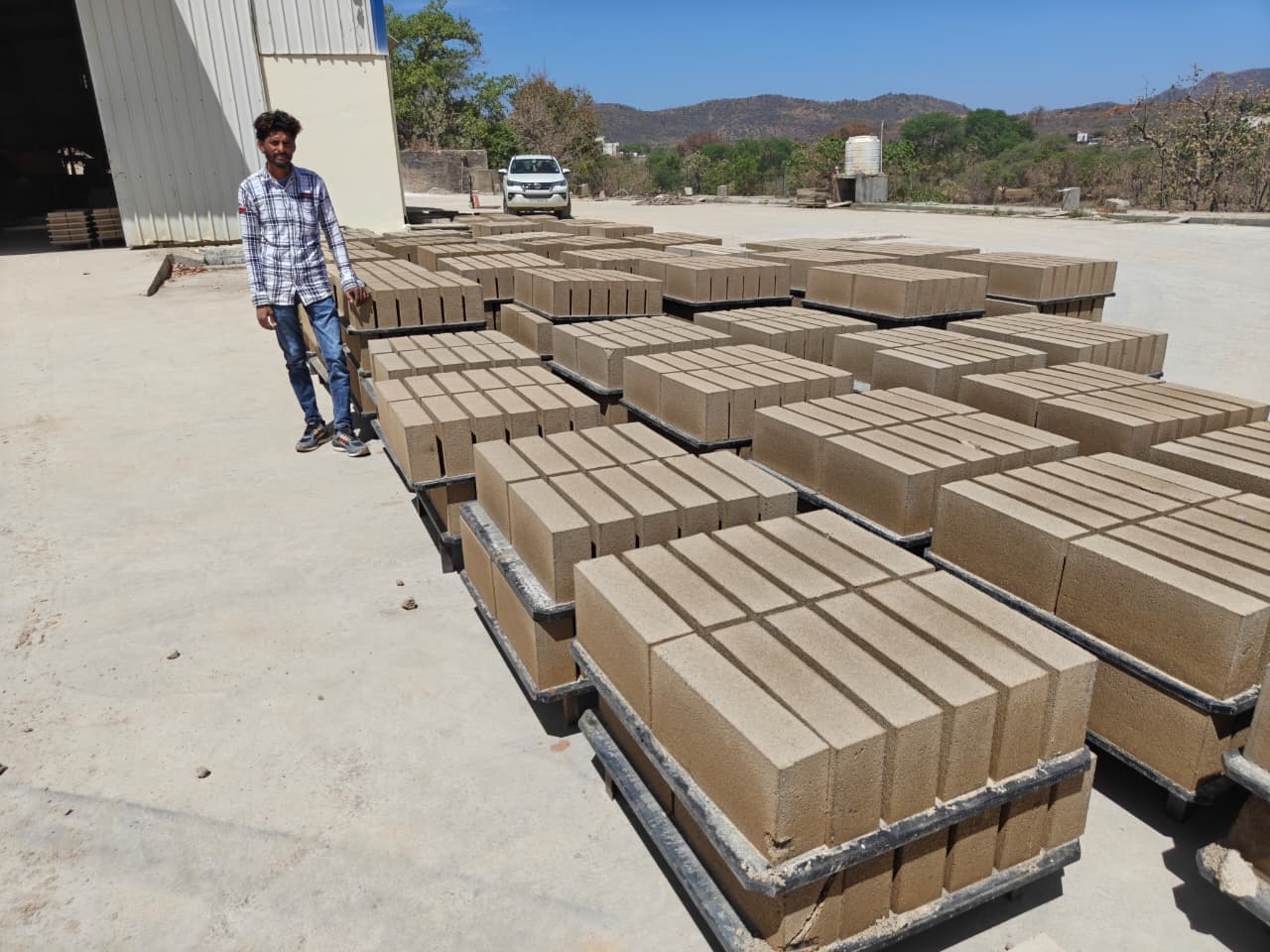
Cemented Solid Blocks
High-strength cemented solid blocks designed for durable and long-lasting construction. Ideal for residential, commercial, and industrial structures.
About Us
Best M Sand Manufacturer & Supplier In Udaipur, Rajasthan
Raj Mineral, a subsidiary of Jai Mahesh Industries, has earned the trust of its clients as a leading m sand manufacturer in Rajasthan with an advanced product line. We consistently deliver high-quality items, including Interlocking Paver Blocks, Fly Ash Cemented Bricks, Crushed Stones, Glossy Interlocking Paver Blocks, and Manufactured Sand in Udaipur, catering to diverse construction needs.
The construction process got challenging since river sand was prohibited in several locations. To fill the gap, we manufacture Artificial Sand in Rajasthan.
Mr. Rajesh Mundra, a lawyer by education and entrepreneur by choice, founded Raj Mineral Crushing Plant in Udaipur in the 1990s, which served as the starting point for our adventure. We are the best in our field because of the team's devotion and hard work. Another firm, Jai Mahesh Industries, was established in 2012 with a strong business plan, and within 4 years, we were able to become the top choice for clients.
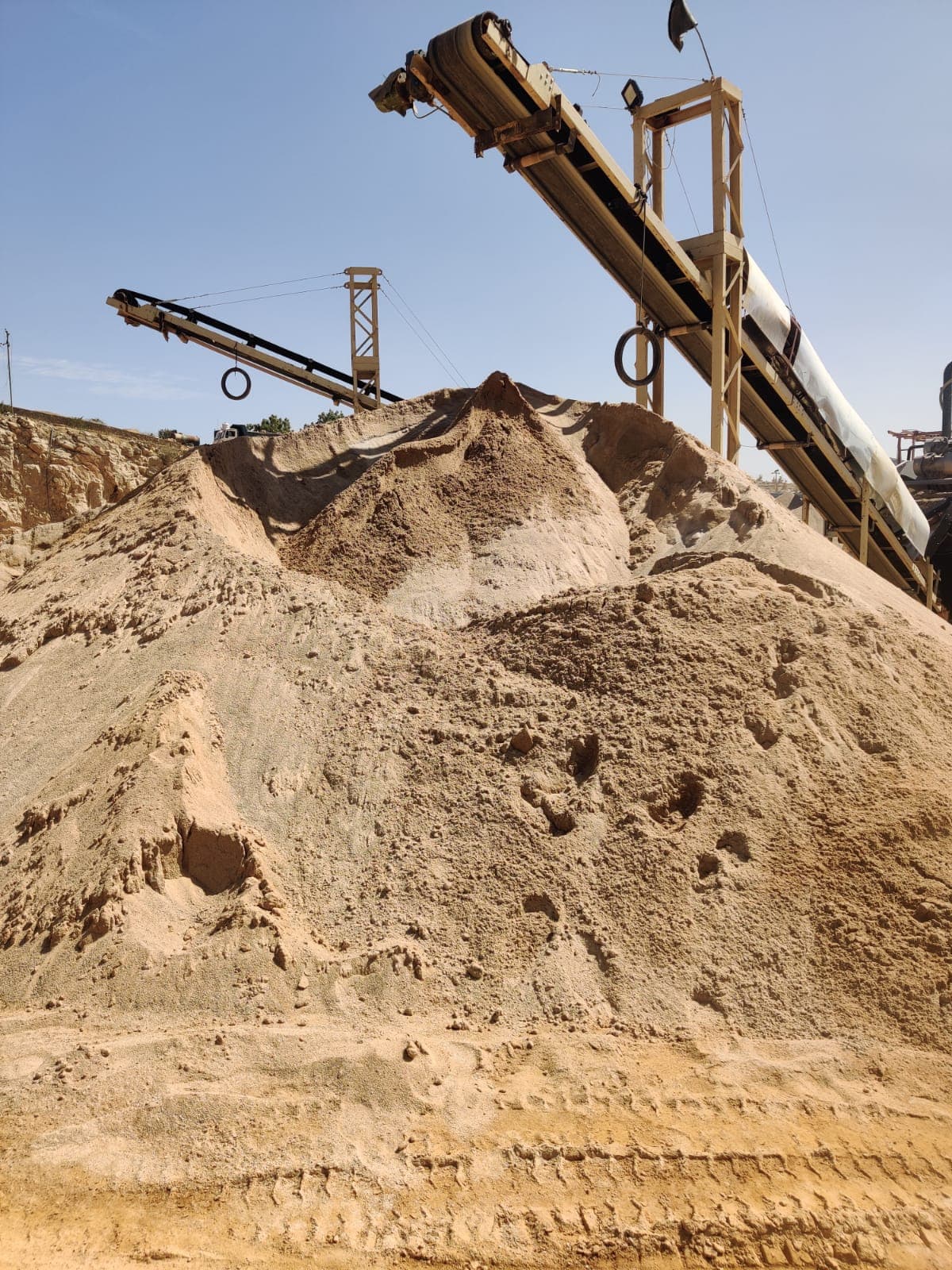
At our M sand plant in Udaipur, we employ German Vibro Compact Technique, operating in an automated facility with a daily production capacity exceeding 12,000 bricks. Each batch undergoes rigorous strength and quality testing in our on-site laboratory.
Udaipur, Rajasthan
German Technology
Fully Automated

35
Years of Experience • Years of Experience •
Our Promise
Built on quality, reliability, and excellence
At Raj Mineral, we understand that the foundation of any successful construction project is the quality of the materials used. Our promise is to be your trusted partner in building a sustainable future. We are dedicated to producing high-quality m sand in Rajasthan that not only meet but exceed industry standards.
Our commitment extends beyond just providing top-notch products; we also promise innovation, reliability, and environmentally conscious solutions. We are an experienced m sand manufacturer in Udaipur assuring quality in affordability.
Mr. Rajesh Mundra
Founder / Director
Welcome to Rajmineral
Your Reliable Minerals Supplier in Rajasthan
Why Choose Us
Your Trusted Partner
30+ Years Experience
Three decades of trusted construction material manufacturing in Rajasthan.
German Technology
State-of-the-art machinery ensuring consistent quality and precision.
Eco-Friendly Production
Sustainable practices with fly ash utilization and minimal waste.
High Capacity Output
Large-scale production to meet deadlines of any project size.
#1 SUPPLIER IN REGION • UDAIPUR’S BEST M SAND •
35+ YEARS OF BUSINESS •
Applications
Our Materials in Action

Infrastructure
Highway Construction
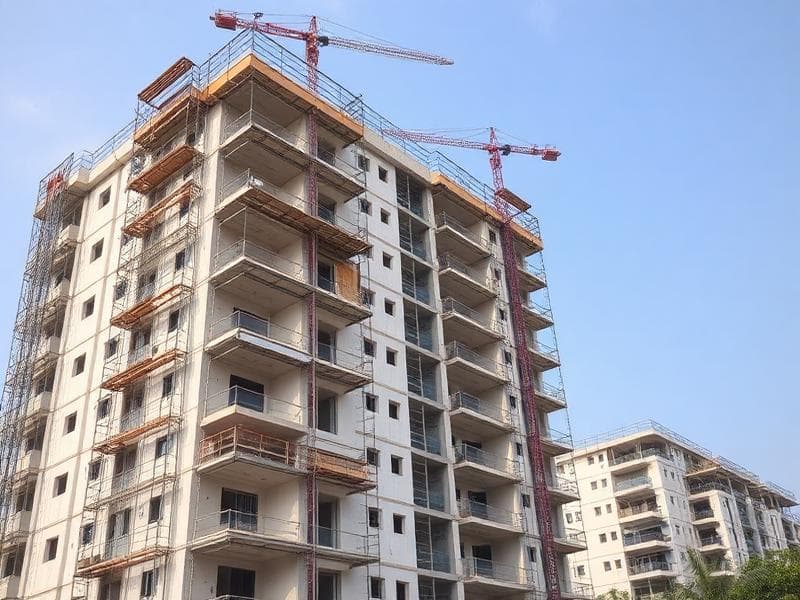
Buildings
Residential Complex
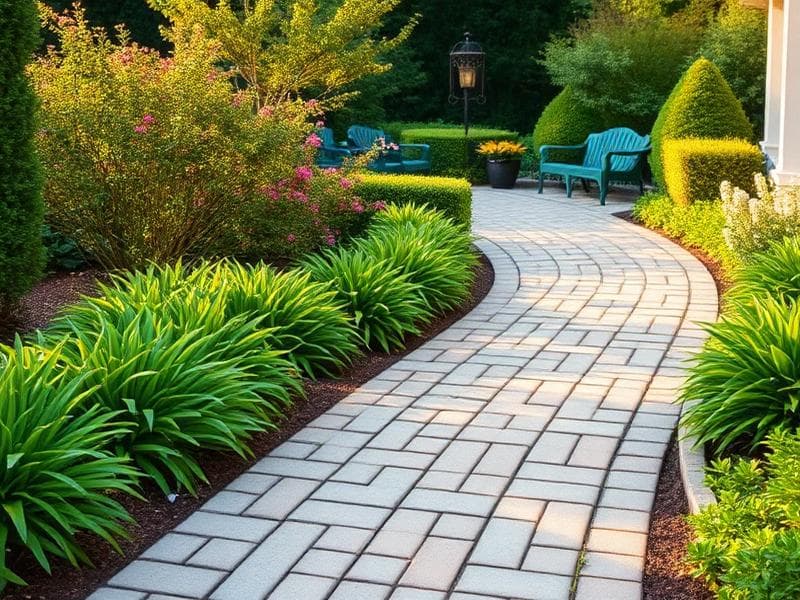
Landscaping
Garden Landscaping
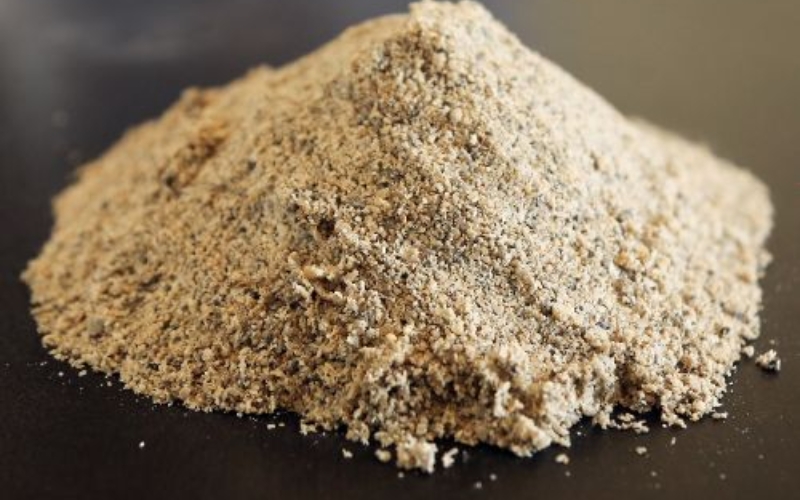
Experience Raj MineralRedefining
Redefining
Construction
Discover innovation with us —
Paver blocks, fly ash bricks, M-Sand, and crusher stone in Udaipur are crafted by Mr. Rajesh Mundra, driven by quality.
Utilizing the German Vibro Compact Technique, daily output exceeds 12,000 bricks , rigorous testing, showcasing the company's unwavering dedication to excellence.
Trusted by builders
Built on Trust, Proven on Site
Don’t just take our word for it. See how contractors, developers, and engineers across Rajasthan rely on Raj Mineral for consistent quality materials that keep projects moving forward.
“Raj Mineral curve stones added a distinctive look to my landscape project. The attention to detail and the variety they offer helped me achieve the aesthetics I envisioned.”
M
Mr. Vikram Mehta
“Raj Mineral’s cemented bricks are truly remarkable. I’ve used them in several construction projects, and they have proven to be sturdy and reliable. The German Vibro Compact Technique they use…”
M
Mrs. Poonam Patel
“As an architect, I rely on top-quality materials for my designs. Raj Mineral’s interlocking paver blocks have become my go-to choice due to their durability and versatility. They offer a…”
M
Mrs. Reena Joshi
Sister Concerns
Brands that grow with Raj Mineral
This section is now styled to match the site theme and already includes three logo slots you can replace any time.

Jai Mahesh Industries

Devraj MTR Infraprojects
Latest Blogs
View All BlogsLearn from our latest industry insights
Explore updates, practical guidance, and product-focused articles from the Raj Mineral team.
Blog
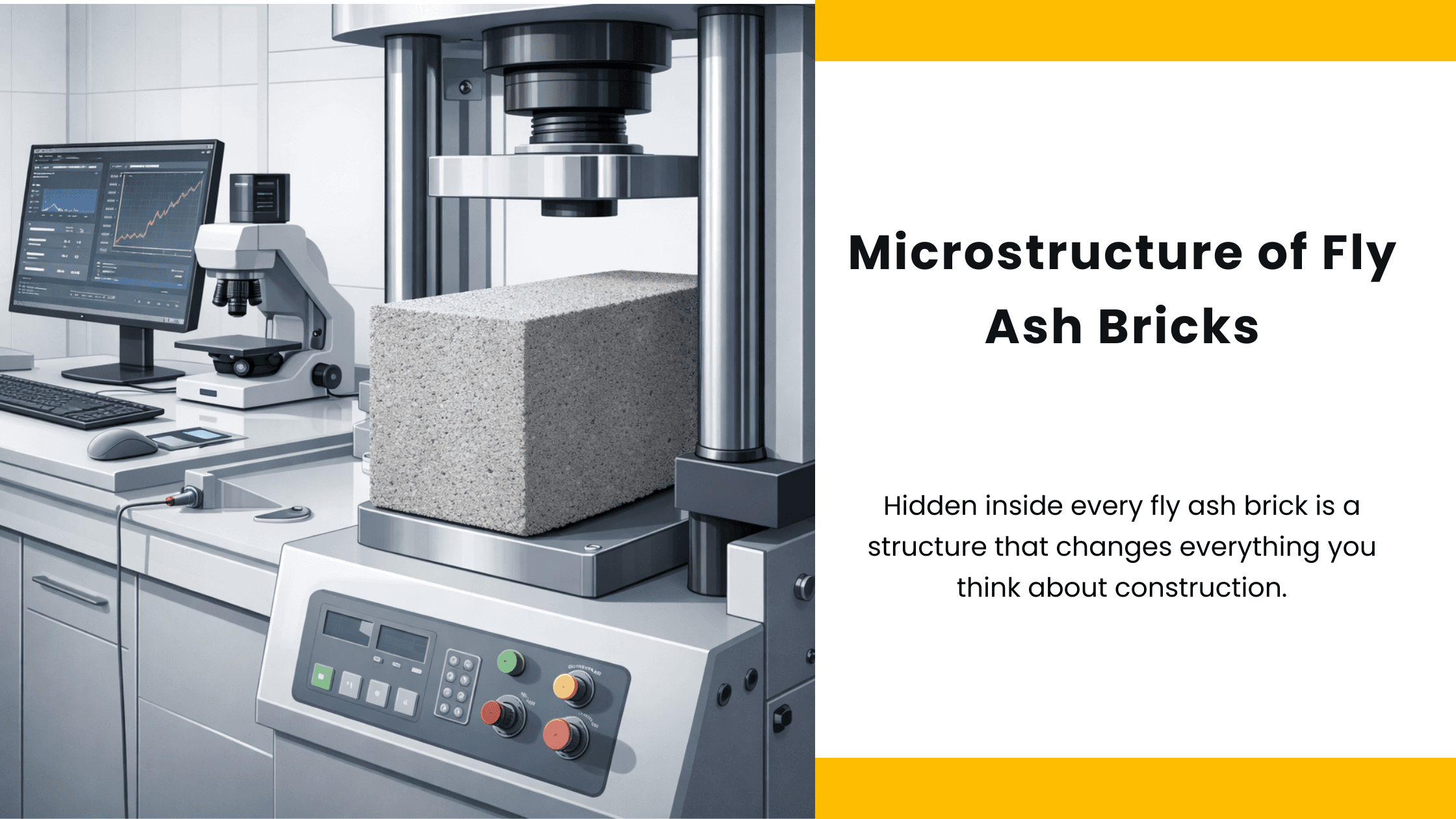
Microstructure of Fly Ash Bricks
🔬 CUTTING-EDGE ANALYSIS Advanced Analysis of Fly Ash Brick Structure Electron Microscopy Analysis for Modern Sustainable Construction By Raj Mineral – Leading Construction Material Innovators 📐 The construction industry is witnessing a paradigm shift toward sustainable building materials, and the microstructure of fly ash bricks is at the forefront of this revolution. As environmental concerns mount and natural resources deplete, fly ash bricks have emerged as an eco-friendly alternative that doesn’t compromise on quality or durability. ♻️ Eco-Friendly Innovation Transforms power plant byproducts into high-performance building materials, reducing waste and environmental impact. 🔬 Advanced Analysis Electron microscopy reveals microstructural properties invisible to traditional testing methods. 💪 Superior Durability Exceptional resistance to chemical attack, weathering, and moisture penetration for long-lasting structures. ✅ Quality Assured Rigorous testing and electron microscopy analysis ensure consistent quality and compliance with international standards. Understanding Fly Ash Bricks: A Sustainable Construction Solution Fly ash bricks are manufactured from fly ash—a byproduct of thermal power plants—combined with lime and other binding materials. These bricks represent a significant breakthrough in sustainable construction, transforming industrial waste into high-performance building materials. The microstructure of fly ash bricks determines their mechanical properties, durability, and long-term performance, making detailed analysis crucial for quality assurance and structural reliability. Unlike traditional clay bricks, fly ash brick microstructure benefits from the pozzolanic properties of fly ash, which enhance the material’s strength and durability over time. The careful composition and manufacturing process create a dense, uniform structure that outperforms conventional bricks in many applications. The Role of Electron Microscopy in Analyzing Fly Ash Brick Structure What is Electron Microscopy Analysis? Electron microscopy analysis represents a sophisticated technique for examining the microstructure of fly ash bricks at incredibly high magnifications—often revealing details invisible to conventional optical microscopes. This advanced imaging technology provides unprecedented insights into the internal composition, pore structure, and particle arrangement within the material. There are two primary types of electron microscopy used in construction material analysis: Scanning Electron Microscopy (SEM): Provides detailed surface and cross-sectional views of fly ash brick microstructure Transmission Electron Microscopy (TEM): Enables analysis of internal crystal structures and mineral phases Why Electron Microscopy Analysis Matters for Fly Ash Bricks The electron microscopy analysis of fly ash bricks reveals critical information about: Pore distribution and size affect water absorption and durability Particle bonding and interfacial zones determining mechanical strength Phase composition validating the pozzolanic reaction Crack propagation patterns predicting long-term structural performance Degree of hydration ensuring material maturity Detailed Microstructural Characteristics of Fly Ash Bricks 1 Pore Structure and Density One of the most significant findings from electron microscopy analysis is the superior pore structure of fly ash bricks compared to traditional clay bricks. The microstructure exhibits refined pore size distribution with predominantly small, well-distributed pores, lower total porosity leading to improved durability and reduced water absorption, and enhanced compactness throughout the brick matrix, contributing to superior strength. These characteristics directly result from the pozzolanic reaction between fly ash particles and calcium hydroxide, creating a denser, more homogeneous fly ash brick microstructure over time. 2 Particle Morphology and Distribution Electron microscopy analysis reveals that fly ash particles within the brick demonstrate irregular spherical morphology from the original fly ash particles, uniform distribution throughout the binding matrix, strong interfacial bonds between fly ash particles and the cement/lime matrix, and minimal void spaces indicating effective particle packing. This exceptional particle arrangement contributes significantly to the mechanical properties and durability of fly ash bricks in high-rise construction and other demanding applications. 3 Hydration Products and Phase Composition Advanced electron microscopy analysis identifies the hydration products within fly ash brick microstructure, including Calcium Silicate Hydrate (C-S-H) gel – the primary strength-contributing phase, Calcium Hydroxide (CH) crystals – evidence of ongoing pozzolanic reactions, Unreacted fly ash particles – demonstrating the gradual strength development, and Secondary minerals – formed through long-term curing processes. The presence of well-developed C-S-H gel throughout the microstructure of fly ash bricks explains their excellent long-term strength gain and durability characteristics. Advantages Revealed Through Electron Microscopy Analysis 🛡️ Superior Durability Properties Electron microscopy analysis confirms that the microstructure of fly ash bricks provides exceptional resistance to chemical attack from sulfates and chlorides, weathering and freeze-thaw cycles, moisture penetration due to refined pore structure, and efflorescence minimized by the stable phase composition. ⚡ Enhanced Mechanical Performance The detailed examination of fly ash brick microstructure through electron microscopy analysis demonstrates higher compressive strength development over time, improved tensile strength due to strong interfacial bonds, better crack resistance from uniform internal structure, and lower shrinkage compared to conventional bricks. 🌍 Sustainability and Environmental Benefits Beyond structural advantages, electron microscopy analysis validates the environmental credentials of fly ash bricks through waste material utilization, reducing landfill burden, lower carbon footprint compared to clay brick manufacturing, energy efficiency in production processes, and long service life, minimizing replacement and waste. Applications of Fly Ash Bricks in Modern Construction 🏢 High-Rise Building Construction The superior properties revealed by electron microscopy analysis make fly ash bricks ideal for load-bearing walls in multi-story buildings, structural applications requiring consistent quality, seismic-resistant construction, and long-span structural elements. 🏗️ Specialized Construction Projects Fly ash brick microstructure analysis has validated its use in coastal construction (excellent salt resistance), industrial facilities (chemical resistance), infrastructure projects (durability under stress), and green building certifications (LEED compliance). 🔍 Quality Assurance Through Electron Microscopy Analysis Modern manufacturers utilize electron microscopy analysis as a quality control tool to ensure consistency of microstructure batch to batch, optimal hydration development before delivery, compliance with specifications for specific applications, and detection of defects before materials reach construction sites. This rigorous analysis ensures that every fly ash brick meets the stringent requirements of contemporary construction standards. 🚀 The Future of Fly Ash Brick Technology As electron microscopy technology advances, researchers continue to uncover new insights into fly ash brick microstructure. Future developments include AI-powered microscopy analysis for real-time quality monitoring, enhanced fly ash processing improving pozzolanic reactivity, hybrid brick compositions combining multiple waste materials, and smart bricks with embedded sensors monitoring structural health. Final Insights The microstructure
Read More

Blog
🏢 M Sand for High Rise Building Construction
M-Sand: The Smart Choice for High-Rise Construction The Future of Sustainable & Durable Construction Materials 📌 Introduction: M-Sand for High-Rise Buildings The use of manufactured sand (M-sand) for high-rise building construction has catalyzed a revolutionary transformation in the construction industry. As urbanization accelerates and natural sand reserves dwindle, M-sand has emerged as the indispensable alternative for constructing towering structures with enhanced durability and superior performance. This comprehensive guide explores how manufactured sand in high-rise construction is fundamentally reshaping modern construction methodologies, architectural design, and engineering practices for today’s urban landscape. 🔍 What is M-Sand? Understanding Manufactured Sand Definition and Composition of M-Sand M-sand (Manufactured Sand) is artificially produced sand created by crushing granite rocks and other mineral aggregates to specific particle sizes. Unlike natural river sand, manufactured sand for construction is engineered to meet strict quality standards and specifications. The crushed sand particles have angular shapes, which provide superior binding properties compared to naturally weathered sand. ⚙️ How M-Sand is Produced The production of M-sand in construction projects involves three essential stages: ✓ Rock Crushing – Granite and other durable rocks are crushed in industrial crushers ✓ Washing and Classification – The crushed material is washed to remove dust and classified by particle size ✓ Quality Testing – The final product undergoes rigorous laboratory testing to meet construction standards 💪 Why M-Sand is Essential for High-Rise Building Construction Superior Strength & Durability The angular particles of M-sand for high-rise buildings interlock more effectively, creating stronger concrete bonds. This characteristic is crucial for constructing buildings with enhanced structural performance. 🌱 Sustainable Alternative M-sand as an eco-friendly solution reduces environmental damage while meeting the growing demands of modern construction projects. It protects river ecosystems and reduces ecological imbalance. ⭐ Advantages of M-Sand in High-Rise Construction 🔨 Enhanced Concrete Compressive Strength Studies demonstrate that concrete made with manufactured sand achieves 20-40% higher strength compared to natural sand. This ensures safer, more durable structures with less maintenance. 💧 Improved Water Resistance The particle gradation creates a denser concrete matrix, significantly improving water resistance. This extends the building’s lifespan and reduces costly repairs. 🎯 Better Workability & Consistency Consistent particle size distribution ensures uniform concrete mixing and application, eliminating variations that occur with natural sand. 💰 Cost Efficiency Manufactured sand is more economical than natural alternatives, especially for massive construction projects requiring thousands of tons of aggregates. ✨ Reduced Segregation & Bleeding High-performance concrete with M-sand exhibits minimal segregation and bleeding issues, resulting in superior concrete quality and faster setting times. 🌍 Environmental Protection Eliminates destructive river mining operations, protecting aquatic ecosystems and conserving groundwater resources. ⚖️ M-Sand vs Natural Sand: A Detailed Comparison Aspect M-Sand Natural Sand Source Manufactured from rocks River beds and quarries Particle Shape Angular & uniform Rounded & irregular Compressive Strength Higher (20-40% more) Lower Water Content Minimal (0-1%) Variable (2-5%) Durability Superior Moderate Environmental Impact Sustainable ✓ Depletes ecosystems ✗ Cost Economical Variable & rising Consistency Highly consistent Inconsistent ✅ Quality Standards and Specifications for M-Sand IS 383:2016 Compliance M-sand for construction must comply with Indian Standard IS 383:2016, which specifies: Fineness Modulus: Between 2.5 to 3.0 Silt and Clay Content: Maximum 5% Crushing Value: Not more than 30% Particle Size: Well-graded particles 🧪 Testing and Quality Assurance Before using M-sand in high-rise construction projects, comprehensive testing ensures: ✓ Sieve analysis for particle gradation ✓ Compressive strength tests on concrete samples ✓ Water absorption tests ✓ Soundness and durability tests ✓ Chemical composition analysis 🎯 How M-Sand Improves Building Performance 🏗️ Enhanced Structural Integrity Buildings constructed with M-sand for structural applications demonstrate superior load-bearing capacity and stability. The engineered sand properties create stronger bonds between cement and aggregates. ⚡ Reduced Construction Time The consistency and workability of M-sand in construction accelerate the concrete curing process. Fast-setting concrete allows construction teams to maintain aggressive project schedules. 🛡️ Longevity and Reduced Maintenance High-rise buildings constructed with M-sand require significantly less maintenance. The improved durability reduces repair costs and extends the building’s lifespan to 50+ years. 🌍 Environmental and Sustainability Benefits ♻️ Eco-Friendly Construction Solutions The adoption of sustainable M-sand addresses critical environmental challenges. By eliminating destructive river mining, manufactured sand benefits: 🌊 River Ecosystems Protects aquatic habitats 🌱 Soil Conservation Maintains soil fertility 💧 Groundwater Conserves water reserves 🦋 Biodiversity Protects wildlife habitats 🔨 M-Sand Applications in High-Rise Construction Load-Bearing Structures Pillars, beams, and slabs Reinforced Concrete RCC construction for durability Foundation Work Deep foundations and piles Precast Elements Prefabricated components ✨ Conclusion: The Future of M-Sand in Construction M-sand for high-rise building construction represents the future of sustainable, durable, and cost-effective development. As cities expand vertically and environmental concerns intensify, manufactured sand solutions provide the optimal balance between performance, sustainability, and economy. By adopting M-sand in modern construction projects, builders ensure stronger structures, faster construction timelines, and reduced environmental impact. ❓ Frequently Asked Questions (FAQs) 📌 Is M-Sand as Strong as Natural Sand for High-Rise Buildings? Yes, M-sand is significantly stronger than natural sand for high-rise construction. Studies show that concrete made with M-sand achieves 20-40% higher compressive strength compared to natural sand. The angular particle shape creates superior interlocking and bonding with cement, making it ideal for demanding high-rise applications. This enhanced strength ensures better structural integrity and load-bearing capacity for tall buildings. 💰 What is the Cost Difference Between M-Sand and Natural Sand? M-sand is generally 15-25% more cost-effective than natural sand in most regions. While initial material costs may vary, manufactured sand reduces overall project costs through reduced transportation, eliminated mining permits, and faster construction timelines. For large-scale projects requiring thousands of tons of sand, the savings become substantial. 🔧 Can M-Sand Be Used for All Types of Construction Work? Yes, M-sand can be used for virtually all construction applications. From load-bearing structures and RCC construction to finishing work and plaster, manufactured sand serves multiple purposes. For specific applications like concrete blocks, always verify compliance with relevant IS codes and project specifications before procurement. 🌍 How Does M-Sand Impact Environmental Sustainability? M-sand significantly improves environmental sustainability
Read More
Blog
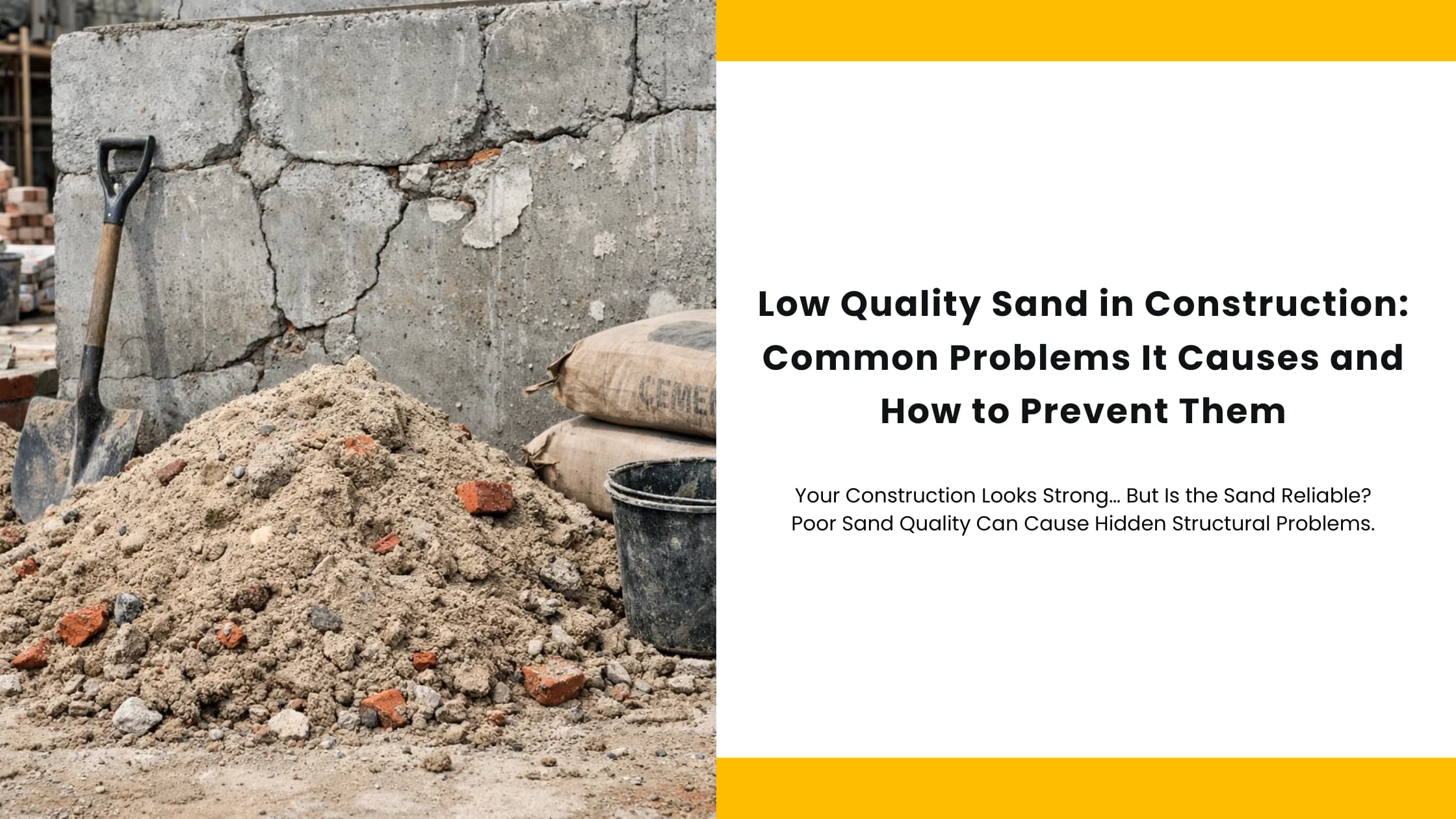
Low Quality Sand in Construction: Common Problems It Causes and How to Prevent Them
Sand is one of the most essential materials used in building construction. It plays a critical role in preparing concrete, mortar, plaster, and other structural elements that hold a building together. While cement and steel often receive more attention, the sand quality in construction is equally important for ensuring durability and structural strength. Unfortunately, many construction projects unknowingly use low quality sand in construction, which can lead to serious long-term problems. Poor sand quality may contain impurities, excessive dust, clay particles, or uneven grain sizes that weaken the bond between materials. Over time, this can cause cracks in walls, reduced concrete strength, and costly repairs. Understanding the problems caused by low quality sand and learning how to identify good sand before using it can help builders, contractors, and homeowners avoid structural issues and ensure that buildings remain strong and safe for many years. What is Low Quality Sand in Construction? In simple terms, low quality sand in construction refers to sand that does not meet the required standards for building work. Construction sand must have the right particle size, minimal impurities, and proper grading to create strong bonds with cement and aggregates. Sand becomes unsuitable for construction when it contains the following: Excessive Clay Content Clay particles prevent proper bonding between cement and sand. This weakens mortar and reduces overall strength. Too Much Dust or Silt High dust content interferes with cement hydration and reduces the effectiveness of the mixture. Organic Impurities Materials like leaves, roots, or decomposed organic matter can damage the structural integrity of concrete. Irregular Particle Size If the grains are too fine or uneven, the mixture may not achieve proper compaction. These characteristics are often found in poor quality sand in construction, especially when materials are sourced from unreliable suppliers or unregulated locations. Common Problems Caused by Low Quality Sand in Construction Using low quality sand in construction can create multiple issues during and after the building process. Some of the most common problems include the following. 1. Weak Concrete Strength Concrete relies on a proper balance of cement, sand, and aggregates. If the sand contains impurities or excessive dust, the mixture becomes weaker. This reduces load-bearing capacity and increases the risk of structural failure. One of the major effects of bad sand in construction is that concrete may fail to achieve the designed compressive strength. 2. Cracks in Walls and Plaster Walls and plaster surfaces may begin to crack if sand quality is poor. Clay and silt particles prevent proper bonding with cement, which results in weak plaster layers that crack or peel over time. These cracks not only affect appearance but may also allow moisture to enter the structure. 3. Poor Bonding in Mortar Mortar is used to bind bricks or blocks together. If the sand contains too many impurities or inconsistent particles, it weakens the bond between construction materials. This can result in unstable masonry and reduced durability of walls. 4. Structural Durability Issues Buildings constructed with poor quality sand in construction may experience long-term durability problems. Over time, weak concrete and mortar can deteriorate faster under environmental stress such as temperature changes, moisture, and heavy loads. 5. Higher Maintenance and Repair Costs One of the most overlooked problems caused by low quality sand is increased maintenance. Repairs such as crack filling, plaster replacement, or structural reinforcement can significantly increase construction costs in the long run. How Low Quality Sand Affects Concrete and Building Strength Concrete is designed to provide strength and stability to buildings. The mixture depends on a strong bond between cement paste and sand particles. When low quality sand in construction is used, several issues occur: Cement cannot properly bind with sand particles. Voids and gaps form within the concrete structure. Moisture penetration increases. Concrete strength reduces significantly. The importance of quality sand in concrete becomes clear when considering how it affects load distribution. High-quality sand improves density and compaction, allowing concrete to withstand heavy structural loads. On the other hand, the effects of bad sand in construction include premature deterioration, reduced lifespan of the structure, and potential safety risks. How to Identify Low Quality Sand Before Construction Before using sand for construction work, it is important to perform simple checks. Knowing how to identify good quality sand can help avoid major structural problems. Visual Inspection Good construction sand should appear clean and free from visible impurities such as clay lumps, organic materials, or debris. If the sand looks excessively muddy or dusty, it may indicate poor quality. Check for Particle Consistency High-quality sand typically contains well-graded particles of different sizes. This ensures proper compaction and bonding with cement. Very fine sand or uneven grains may reduce strength. Simple Field Test A simple field test can be done by placing sand in a glass jar with water and shaking it. If a thick layer of silt or clay settles on top, it indicates poor sand quality. Touch and Feel Test When rubbed between fingers, clean sand should feel gritty and coarse rather than sticky. Sticky sand may contain clay particles. These simple methods help identify sand quality in construction before materials are used in large quantities. How to Prevent Problems Caused by Low Quality Sand Preventing issues related to low quality sand in construction requires careful material selection and proper quality control. Choose Reliable Construction Materials Materials should always be sourced from reliable suppliers who maintain proper quality standards. Use Properly Graded Sand Well-graded sand ensures better bonding with cement and improved structural strength. Maintain Correct Cement-Sand Ratio The strength of mortar and concrete depends on the right proportion of materials. Using the recommended mix ratio helps maintain durability. Conduct Quality Checks on Site Regular inspection of construction materials ensures that only suitable sand is used during building work. Avoid Unverified Local Sources Sand from unregulated sources may contain high levels of impurities or unsuitable particles. Implementing these measures helps reduce the problems caused by low quality sand and improves the overall quality of
Read More
Frequently Asked Questions
Discover quick and comprehensive answers to common questions about our platform, services, and features.
Can't find what you're looking for? Contact our customer support team
Free Quote · No Obligations
Let’s Build Stronger Foundations With Quality Minerals
From bulk orders to custom requirements — connect with Raj Mineral for high-quality M-Sand, crusher stone grit, and reliable supply solutions backed by industry expertise.
Quality Assured
Fast Delivery
24/7 Support
Call us directly
+91 94141 69137
+91 97994 96137 · 02942 460037
Email us
rajeshmundraudr@yahoo.in
info@jaimaheshindustries.com
Registered office
50, Gayatri Sadan, Ekling Colony, Sec. No. -3
Hiran Magri, Udaipur-313002, Rajasthan
Factory
Village Bansliya, Near Iswal, Badgaon Dist.
Udaipur-313002, Rajasthan, India
Responding within 2 hours
Request a Free Quote
Share your requirements and our experts will get back to you promptly.
*
*
*
*
(optional)
Your details are kept strictly confidential per our Privacy Policy